How to Create a Cozy Reading Nook in Any Room Without a Spare Corner
Affiliate disclosure: Some links in this article are affiliate links. Explore Lifestyle is a participant in the Amazon Services LLC Associates Program and earns a commission from qualifying purchases at no additional cost to you. We only recommend products we have researched. See our full disclosure policy.

Our editorial team covers wellness, productivity, and modern living \u2014 backed by research, shaped by real experience. We believe good advice should read like a conversation, not a textbook.
Peaceful reading spots can fit effortlessly into small spaces—even cramped studio apartments. If you have been longing for a personal literary retreat, a cozy nook is completely within reach. You do not need an entire spare bedroom or an enormous renovation budget. Most homeowners and renters glance around their living area and assume there is no room left for a dedicated armchair. That hesitation is completely natural. However, testing functional layouts in a compact 500-square-foot home revealed an important truth: physical square footage is rarely the limiting factor. Instead, the secret lies in rethinking underutilized vertical space and repositioning the furniture you already own.
Whether you want to embrace biophilic design in Indian homes for mental well-being or simply crave a quiet, tech-free corner to unwind, this guide shows you how to carve out a restorative spot in any room. Please note that this post is for informational home-styling tips only and does not constitute formal architectural or interior design advice.
Designing Your Reading Nook: Essential Elements and Strategies
Creating a practical, visually appealing reading sanctuary requires thoughtful curation rather than clutter. Every item in a compact zone must justify its presence. When planning your layout, focus on these five core components:
- Compact Seating Options: Choose a slim accent chair, a tailored slipper chair, or a plush floor pouf with supportive back cushions.
- Dedicated Task Lighting: A slim-profile floor lamp or a plug-in swing-arm sconce provides focused illumination without occupying tabletop surface area.
- Tactile Textile Layers: Introduce a breathable linen throw, a velvet lumbar pillow, or an easily washable cushion cover to add warmth and tactile comfort.
- Smart Vertical Storage: Floating ledges, hanging magazine pockets, or narrow wall-mounted racks keep book stacks off your floor.
- Functional Surface Accents: A compact drink ledge, wall bracket, or tiny ceramic side table holds your hot tea and glasses safely.
By treating these elements as a cohesive system, you can turn an awkward pass-through area into an inviting everyday escape.
Assessing Your Space and Selecting Furniture
Spatial awareness and creative problem-solving are essential when dealing with tight footprints. Rather than hunting for an empty, symmetrical corner, inspect your home for overlooked “dead zones.” Common opportunities include:
- The underutilized alcove behind an outward-opening interior door.
- The neglected landing at the end of a long hallway.
- The narrow, unused clearance between a sofa arm and an exterior window.
- The empty space beneath a floating staircase or near a bay window sill.
Before purchasing any furniture, use blue painter’s tape on your floorboards to outline the exact dimensions of prospective chairs and tables. This simple visual guide prevents costly scale errors and ensures you maintain comfortable walking pathways.
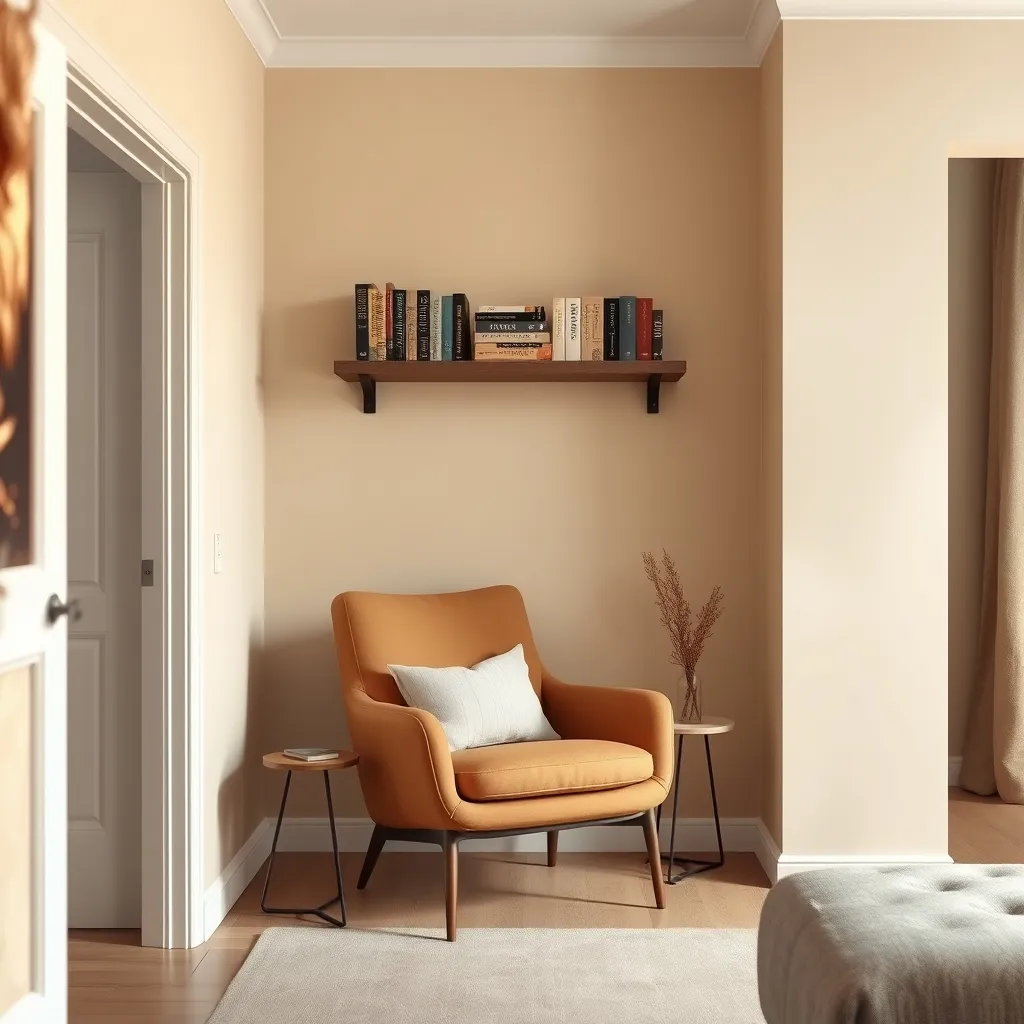
Prioritize dual-purpose furniture pieces. A hollow storage ottoman hides extra throws while functioning as a padded footrest, and a slender side table with built-in rungs doubles as a magazine rack. You can browse Wayfair for tailored, small-space accent chairs measuring under 24 inches wide. Seating designs featuring exposed legs and raised silhouettes allow light to pass underneath, making compact rooms feel visually open.
Creating a Comfortable and Inviting Atmosphere
A reading nook is only as effective as its ergonomic comfort. Because smaller layouts cannot accommodate oversized sectional sofas, prioritize targeted physical support. High-density foam cushions and firm lumbar pillows provide the lower-back alignment you need to enjoy long chapters without muscle strain.
Always select durable, removable covers that can be machine-washed, as your nook will likely host morning coffees and evening herbal teas. You can find practical, stylish home accessories by browsing affordable home decor items on Amazon without overextending your budget.
To prevent the area from feeling chaotic, follow the “rule of two”: limit your styling to one supportive lumbar pillow and a single high-quality throw blanket. This deliberate curation establishes a welcoming sanctuary that invites daily relaxation.
Step 4: Master the Lighting Strategy
Proper lighting represents the defining boundary between a standard chair and a true reading sanctuary. Harsh, sterile overhead fixtures create glare on paper pages and disrupt the calming psychological transition required for focused reading. According to clinical research from Harvard Health Publishing, exposure to cool, blue-enriched light during evening hours disrupts natural melatonin production and impairs sleep architecture. Conversely, soft, warm-spectrum light prompts the brain to downregulate stress.
For an optimal reading experience, select LED bulbs with a warm white color temperature between 2700K and 3000K. This spectrum closely mimics the relaxing amber qualities of sunset light. If hardwiring electrical fixtures is not an option in your rental, install plug-in wall sconces equipped with decorative cord covers. Mount these fixtures approximately at shoulder height when seated to direct light across your book without bouncing harsh glare into your eyes.
Adjustable floor lamps featuring articulated swing arms offer outstanding utility in compact layouts. By angling the focused beam directly downward onto your pages, you create a distinct “light cocoon”—a psychological partition separating you from the rest of the living space. Interior lighting designers recommend layering your ambient and task illumination: use a low-wattage accent bulb for soft background warmth alongside a directional reading light. This eliminates harsh shadows, reduces optical fatigue, and ensures an inviting atmosphere at any hour of the day.
Step 5: Incorporate Vertical Storage to Maximize Floor Space
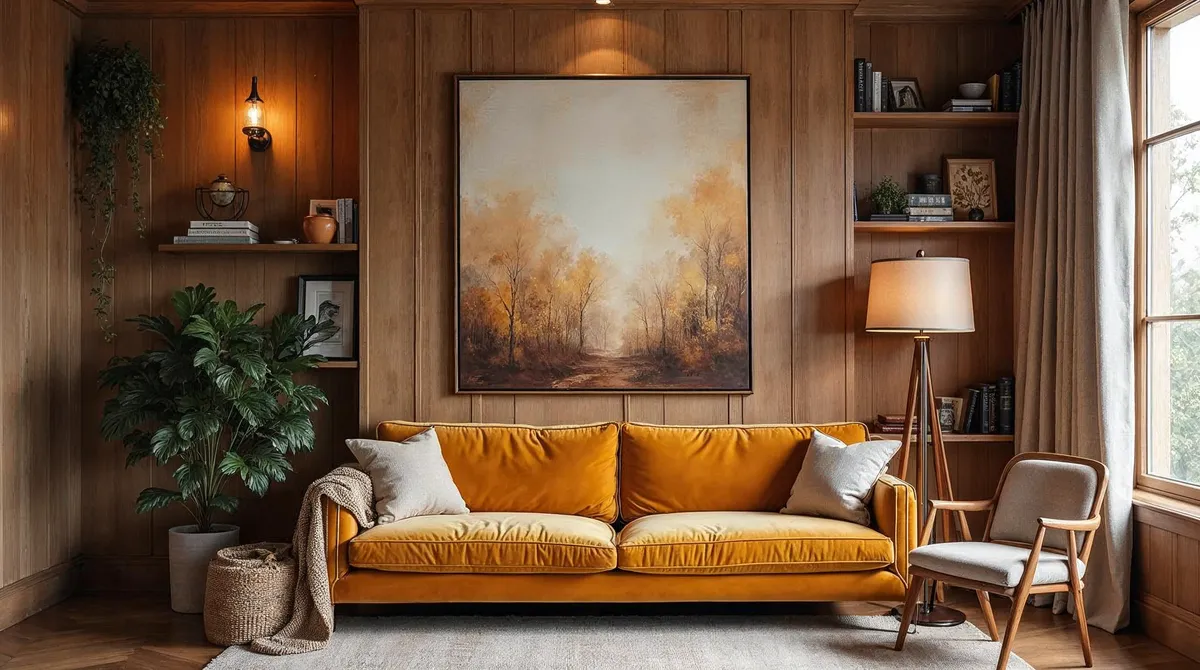
When floor space is at a premium, building upward is the most efficient design strategy. Wall-mounted shelves and floating book rails keep your active reading list easily accessible while maintaining clear floor space for your feet. This approach is equally valuable when you need to create a productive home office under 500 sq ft, ensuring that your visual field remains orderly and serene.
Interior designer Maria Kontokali, who specializes in small-footprint urban homes, notes that floating vertical shelves draw the human eye upward, creating an architectural illusion that makes compact rooms feel 10% to 15% larger. A single shelf with a depth of just 8 to 12 inches can hold several hardcovers alongside a compact succulent without intruding into primary walking paths. Mounting these shelves between 60 and 72 inches above the finished floor establishes an attractive vertical gallery.
Environmental psychologist Dr. Sally Augustin has highlighted that clutter-free, structured living zones can lower perceived stress levels by up to 20% by reducing ambient visual distraction. Utilizing wall-mounted ledges with discrete safety lips keeps your volumes upright and secure, transforming practical storage into a calming focal point.
Creating a Cozy Multi-Sensory Ambiance
A successful reading nook engages more than just sight and touch—it caters to the full sensory environment. Deliberate olfactory cues help signal your nervous system that it is time to shift out of high-alert work mode. Flameless LED candles, natural soy wax melts, or reed diffusers establish an immediate sense of ritual. Research published in sensory psychology shows that subtle scents like vanilla, cedarwood, and lavender promote lower heart rate variability and facilitate mental decompression.
Living botanicals serve as natural, organic space dividers:
- Pothos (Epipremnum aureum): Thrives in low-to-moderate indoor light and trails beautifully from high shelves.
- Snake Plants (Sansevieria): Narrow, vertical architectural forms that fit into extremely tight gaps beside seating.
- Peace Lilies (Spathiphyllum): Help humidify dry indoor environments while adding lush greenery to reading corners.
Positioning a slender plant stand between your armchair and your main living zone builds a visual buffer that separates your nook from television screens or work desks. Combining these lush botanical elements with tactile textiles, such as a plush faux-fur foot cushion or knit slippers, establishes an inviting sensory retreat that makes daily reading an effortless pleasure.
Inspiring Your Daily Reading Habits
Dedicated architectural zones serve as powerful behavioral cues. When you reserve a specific, comfortable seat exclusively for physical reading, your brain quickly builds a conditioned response: sitting down signals that it is time to silence your smartphone and immerse yourself in a book. According to national reading data from the Pew Research Center, roughly 74% of adults read at least one book annually, but maintaining consistent daily momentum remains a common challenge for busy professionals.
Keeping your current book prominently displayed on an eye-level floating shelf or small accent ledge dramatically increases habit adherence. Visual triggers remind you to choose reading during short afternoon pauses or right before bed rather than defaulting to screen time. Further behavioral guidance from Harvard Health Publishing underscores that dedicated relaxation spaces are vital for establishing durable lifestyle routines.
To build long-term momentum, consider adopting these structured micro-habits:
- Commit to 15 Minutes: Start with an easily achievable daily goal of 15 distraction-free minutes every evening.
- Leave Devices in Another Room: Keep chargers and mobile phones away from your nook to eliminate push notifications.
- Curate an Active Stack: Keep no more than two or three books in your immediate rotation to avoid choice paralysis.
Exploring positive lifestyle adjustments on exploring lifestyle helps make sustained personal wellness and literary habits an enjoyable, permanent fixture of everyday life.
Your First Week in Your New Retreat
Establishing a new personal routine takes deliberate practice during your first few days. Space constraints are rarely the obstacle; developing a predictable rhythm is what creates long-term success. Behavioral research from Dr. Wendy Wood at the University of Southern California demonstrates that stable habits take root when friction is reduced and rewards are immediate. By keeping a cozy throw, clean glasses, and a bookmark ready, you make stepping into your nook frictionless.
During your first seven days, pay close attention to how your body feels in the space:
- Day 1 to 2: Test your seating posture. If your lower back feels unsupported, adjust your lumbar pillow or add a small footstool.
- Day 3 to 4: Check your lighting levels at dusk. If you notice glare across the page, tilt the lamp shade or angle the sconce slightly downward.
- Day 5 to 7: Evaluate floor clearance. If a side table feels bulky or interrupts room flow, swap it for a minimalist wall-hung shelf bracket.
According to lighting design standards from the American Lighting Association, warm-spectrum directional lighting eliminates eye strain and fosters an inviting psychological atmosphere. Refining these subtle environmental elements during your first week ensures that your reading nook becomes a deeply cherished personal sanctuary.
Frequently Asked Questions
What is the minimum space required to build a reading nook?
You can create a fully functional, cozy reading nook in as little as 3 to 4 square feet. A narrow accent chair measuring 22 to 24 inches wide, paired with a wall-mounted swing-arm lamp and a floating book ledge, requires zero excess floor clearance while providing complete ergonomic comfort.
How can I add plants to my reading nook without crowding the floor?
Incorporate vertical botanical solutions such as ceiling-mounted macramé plant hangers, wall-mounted pocket planters, or single trailing vines placed on upper floating shelves. This introduces biophilic greenery without consuming valuable footprint area.
Is it a good idea to place a reading nook in the bedroom?
Yes. Placing a reading nook in a bedroom is an excellent way to support healthy sleep hygiene, provided you keep laptops and televisions out of the space. It gives you a dedicated area to read before sleep without associating your mattress with wakeful activities.
Meta Description: Learn how to create a cozy reading nook in any small room without a spare corner using smart lighting, vertical storage, and compact furniture.
Focus Keywords: reading nook in small room, cozy reading corner, small space reading nook ideas, vertical book storage
SEO Excerpt: Turn any awkward alcove or tight wall into a comfortable, stylish reading nook with these proven small-space furniture, lighting, and storage strategies.