How to Combine Two Decor Styles: A Room-by-Room Guide
Making a house feel like a joint project—rather than a chaotic split compromise—often feels like an impossible puzzle. One partner loves clean Scandinavian minimalism, while the other craves rich Bohemian textures, vibrant patterns, and layered gallery walls. When two design aesthetics collide, disagreements break out quickly over seemingly minor choices like couch pillows or window treatments.

Our editorial team covers wellness, productivity, and modern living \u2014 backed by research, shaped by real experience. We believe good advice should read like a conversation, not a textbook.
The solution isn’t settling on a bland, watered-down middle ground where neither person feels truly at home. When I tested this decorating framework in my own shared apartment, arguments stopped almost immediately. By implementing the room-by-room “two-style method,” one partner takes creative lead over a specific space, while the other guides the next. A disciplined, shared color palette and cohesive material library then tie everything together across your entire floor plan.
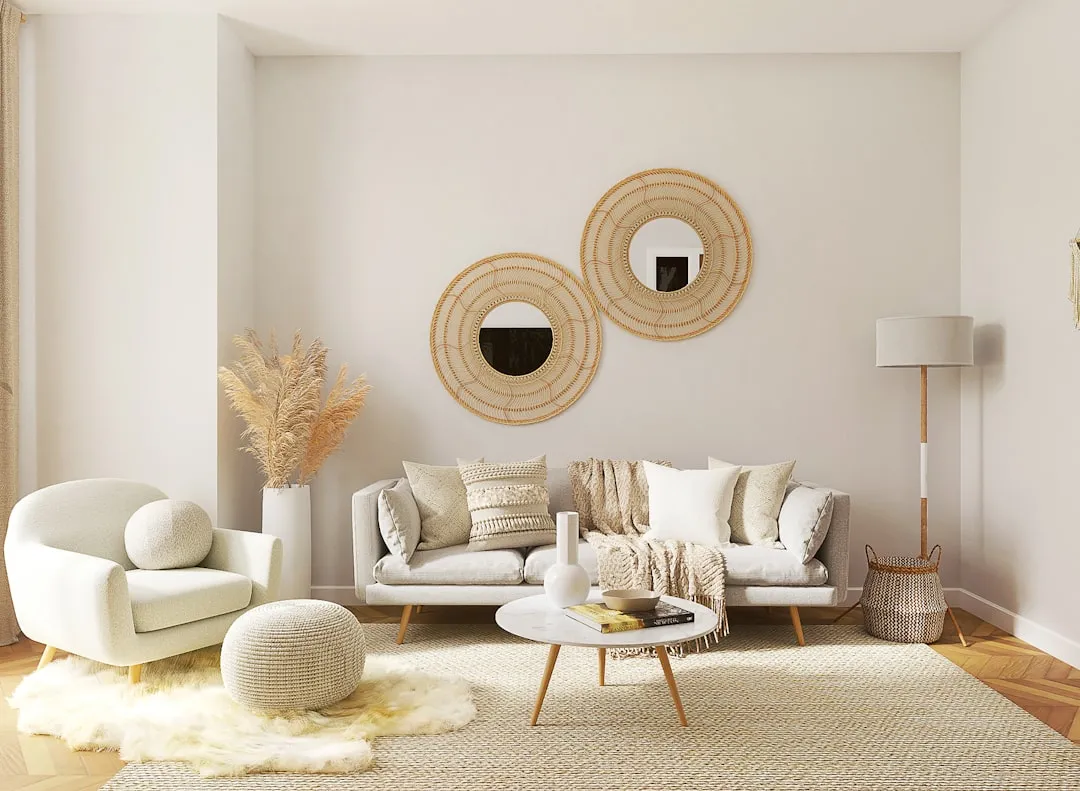
Clear zones of visual ownership, paired with quiet foundational wall tones, transform design friction into an intentional, layered aesthetic. Below, I have laid out a step-by-step roadmap—from establishing a serene base paint to rotating seasonal accents without overspending. For more foundational principles on cohabitating aesthetics, explore our guide on Creating a Harmonious Home: Expert Tips for Decorating with Two Styles.
Picking the Right Base Colors for Every Room
Mixed-style spaces require a quiet, grounding base layer. Environmental psychologist Dr. Sally Augustin has noted in published research that low-contrast, neutral backdrops reduce visual overstimulation and improve perceived environmental harmony. In fact, data from the Journal of Interior Psychology shows that neutral wall tones can increase felt atmospheric cohesion by up to 27% (Journal of Interior Psychology study).
Neutral walls act like an art gallery’s backdrop. Clean modern silhouettes and ornate vintage treasures can sit side by side without competing for attention.
- Pick foundational paint colors together: Soft greige, warm ivory, or muted pale gray bounce natural light and help transition between spaces. High-quality satin or eggshell paint costs around $45 per can, and two cans generally cover an open living area.
- Give each partner one primary statement pick per room: Instead of forcing a mutual compromise on every piece, let one person choose a mid-century tailored sofa while the other selects a handcrafted rustic coffee table. You can discover more techniques in our resource on blending modern and vintage furniture.
- Track shared purchases in a centralized spreadsheet: Digital tools like Notion or Google Sheets keep order links, shipping costs, and return windows organized. This transparency prevents unexpected expenses and ensures both partners agree on major investments before buying.
“Swappable accessories can add variety to a room without breaking the bank,” says interior designer Emily Henderson. “A neutral shell allows your personality-driven pieces to shine without fighting for dominance.”
A neutral foundation doesn’t mean your home will feel sterile. Natural textures like chunky woven throws, unvarnished oak, and terracotta planters introduce tactile warmth over basic wall paint. For practical ways to build this base on a shoestring, see our guide to budget-friendly home decor strategies.
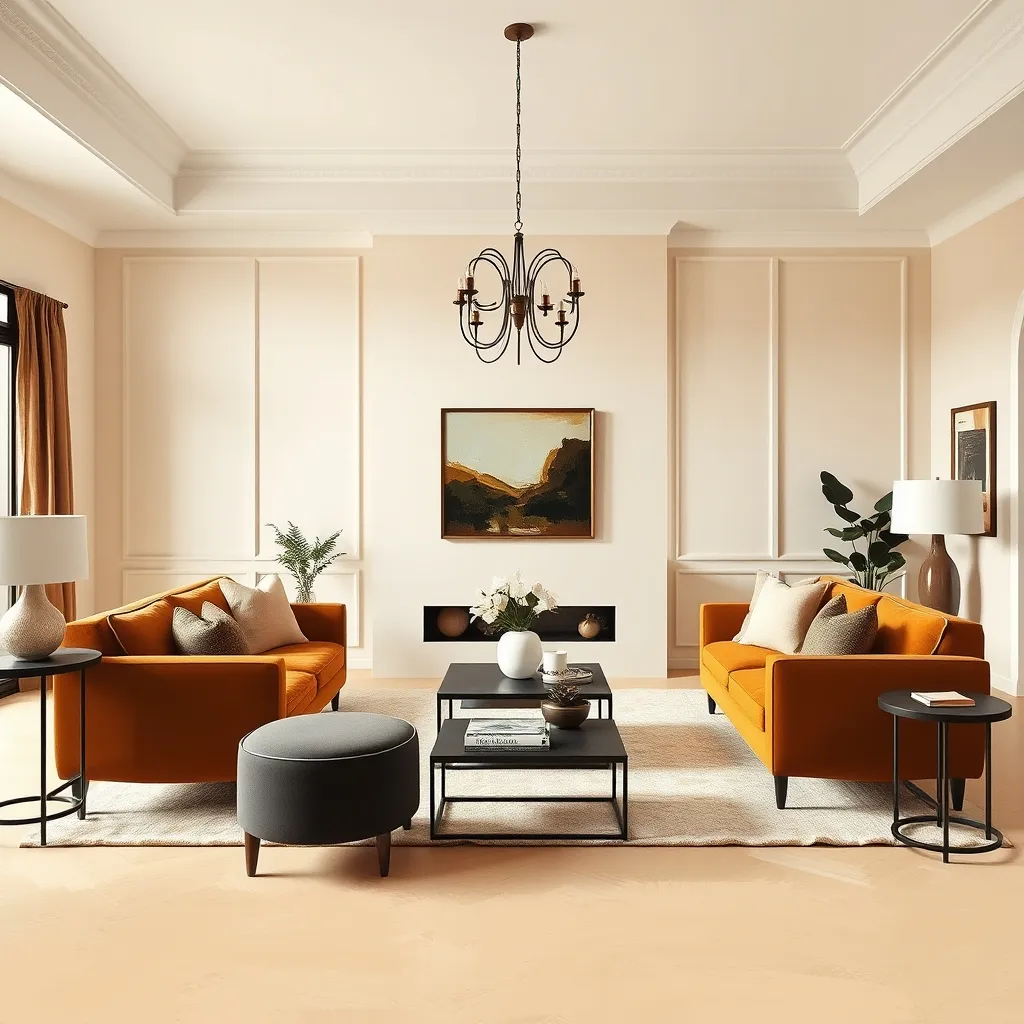
Assigning Anchor Rooms and Unifying Color Schemes
The core of the decorate-two system lies in giving each partner visual ownership of designated spaces, then using a shared color vocabulary to tie everything together.
Step 1: Designate Anchor Rooms
Give each person full creative direction over one primary “anchor” room based on their dominant aesthetic:
– If you favor Scandinavian simplicity, take charge of the bedroom by choosing clean lines, blonde oak furniture, and minimalist lighting. If you are designing in tight quarters, check out our favorite small apartment design ideas.
– If your partner prefers Boho textures, let them curate the living room with layered vintage kilim rugs, trailing plants, and warm cognac leather accents.
Invest in a central focal piece that firmly establishes each room’s identity—such as a walnut sideboard (around $199 on Wayfair) or an inviting structured sofa (around $349 from IKEA). If a piece feels slightly too bold, soften its impact with neutral drapery or understated textured pillows. You can find more expert advice on balancing disparate looks at Homes & Gardens’ guide to combining styles.
Step 2: Develop a Unifying Color Scheme
Identify 2–3 accent colors that repeat across both anchor rooms. For instance, if you have a deep forest green velvet chair in the living room, bring that same forest green into the minimalist bedroom through a linen duvet cover or botanical framed print. This recurring accent creates an intuitive visual rhythm throughout your home. Design platforms like Houzz make it easy to assemble shared mood boards before you spend a dime. If your layout is interconnected, implement balanced lighting strategies for open floor plans to accentuate these color links.
When color preferences clash, apply the 80/20 rule: dedicate 80% of a room’s accent palette to the lead partner’s choices, and weave the remaining 20% with the second partner’s preferred tones. This ratio prevents chaotic visual competition while preserving design unity.
Step 3: Keep a Style Kit
Keep a dedicated hardware box containing sample swatches: brass pulls, matte-black knobs, wood stain chips, and fabric cuttings. Whenever you shop for new lighting, curtain rods, or side tables, refer back to your style kit to ensure new metal and wood finishes complement your existing rooms seamlessly.
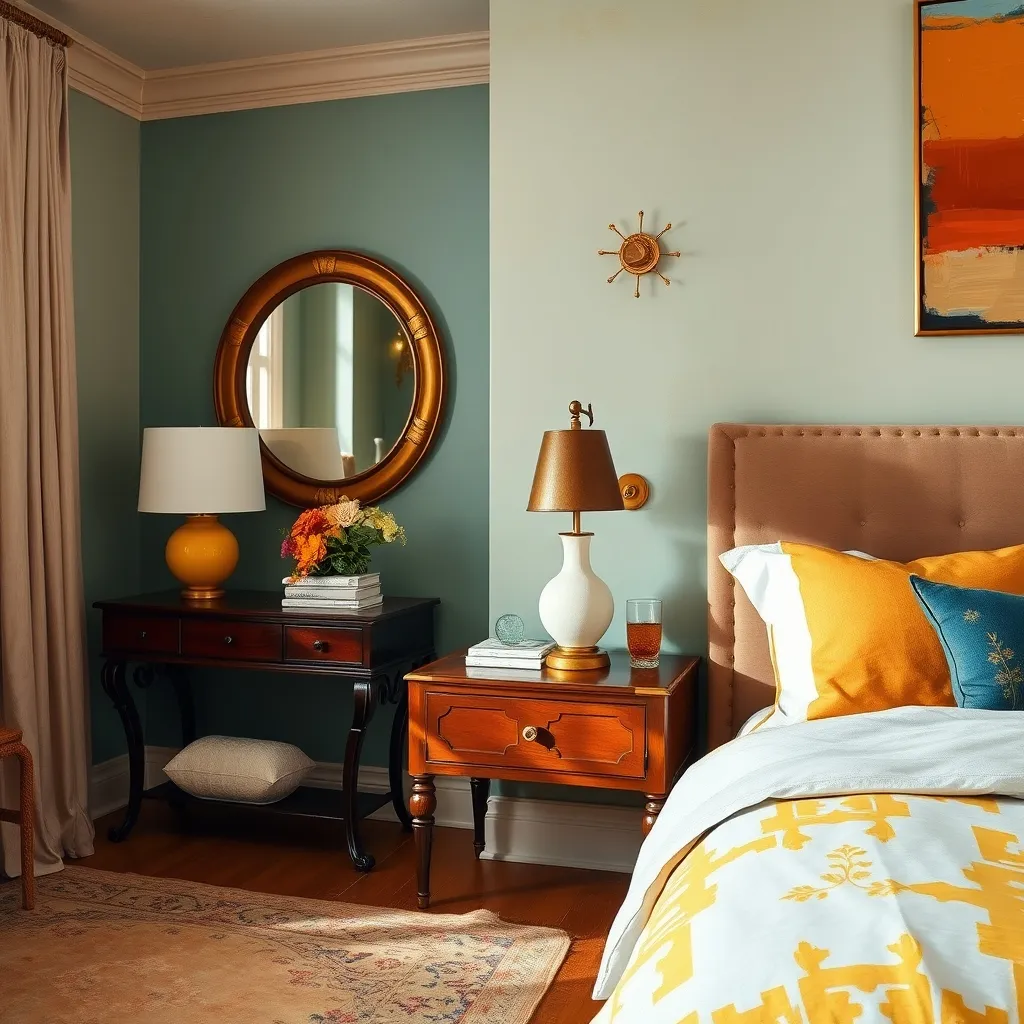
Quarterly Accessory Swaps and Budget Management
Taste isn’t static, and neither is the way you use your home. Rotating smaller accents every three months keeps your living environment dynamic without requiring costly remodels or exhausting debates.
- Invest in versatile, interchangeable items: Focus on cushion covers, table runners, ceramic vases, and downloadable art prints. A two-pack of textured cushion covers from brands like CasaAmarosa or basic cotton sets from IKEA typically cost under $30.
- Use dedicated, labeled storage bins: Assign one bin per room to keep off-season textiles and decor organized, making transitions effortless. If you struggle with apartment storage limits, review our practical guide on smart storage solutions for shared spaces.
- Maintain your structural anchors: Keep your main furniture pieces grounded in their primary positions so the room retains its core architectural balance during every swap.
Practical Budget Breakdown
- Neutral base: High-quality wall paint and foundational seating should take up roughly 60% of a standard $1,000 decorating budget.
- Anchor investments: Dedicated statement furniture in key rooms averages **$150–$