Low-Maintenance Indoor Plants That Thrive on Busy Schedules
Affiliate disclosure: Some links in this article are affiliate links. Explore Lifestyle is a participant in the Amazon Services LLC Associates Program and earns a commission from qualifying purchases at no additional cost to you. We only recommend products we have researched. See our full disclosure policy.

Our editorial team covers wellness, productivity, and modern living \u2014 backed by research, shaped by real experience. We believe good advice should read like a conversation, not a textbook.
Life gets hectic, and watering schedules often slip through the cracks when work deadlines loom or travel calls you away. Fortunately, certain indoor plants are naturally built to withstand forgetfulness, poor lighting, and occasional drought. By choosing the right species and pairing them with smart styling tricks from our plant styling guide, you can enjoy lush greenery without constant upkeep. This guide ranks the toughest houseplants, shares practical care tips verified by horticulturists, and shows how to turn any neglected corner into a thriving oasis—even if you work long hours or travel frequently.
Top Houseplants Ranked by Survival Rate and Low-Light Tolerance
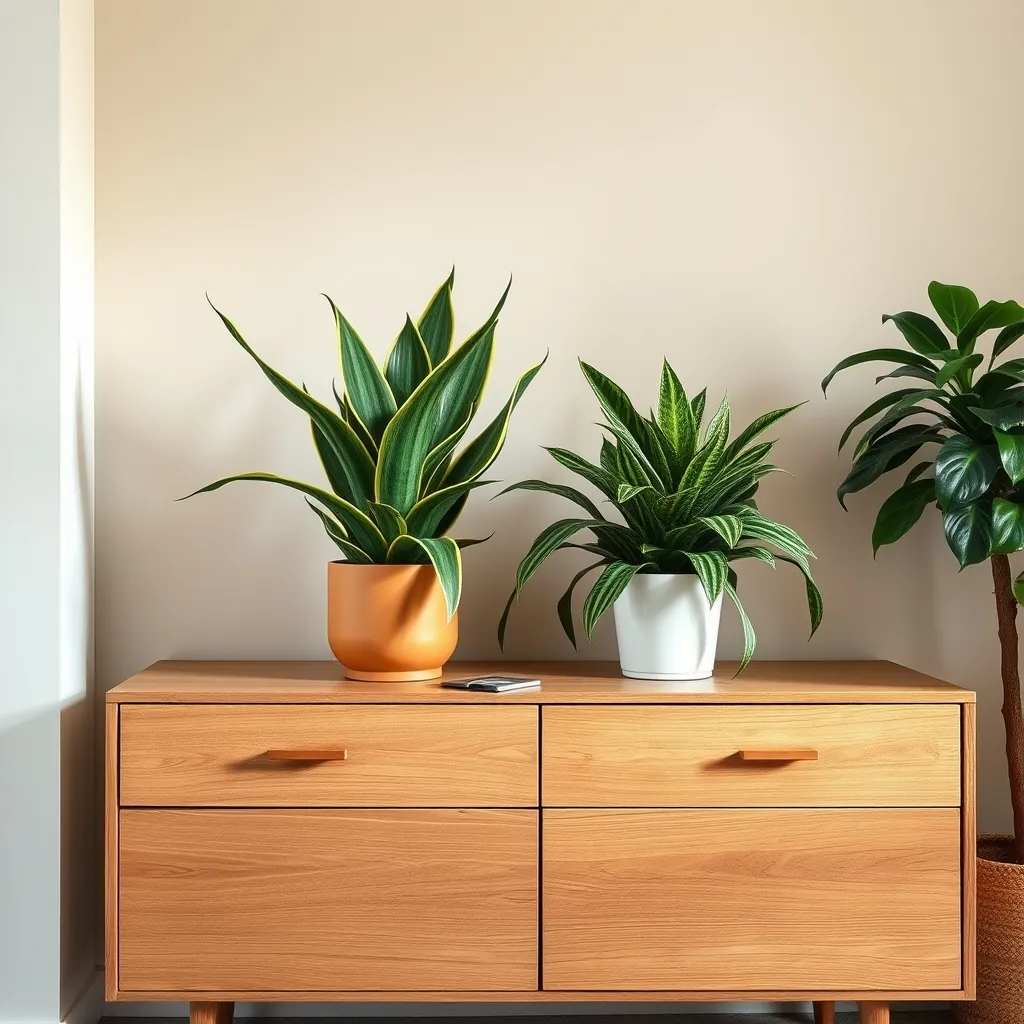
Greening a room is simple, but life happens—sometimes you forget to water for three weeks straight. Snake plants (Sansevieria) and ZZ plants (Zamioculcas zamiifolia) consistently top botanical resilience charts because their thick rhizomes store water efficiently. A survey by the National Gardening Association found that roughly 30% of indoor plant loss stems from overwatering, not underwatering. When potted correctly, these hardy varieties can easily survive three to four weeks without a drop of moisture and still bounce back. Most indoor casualties result from waterlogged soil suffocating delicate root systems rather than genuine neglect. For a closer look at resilient species, visit Top 10 Low Maintenance Houseplants for Busy People.
From Ironclad Champions to Forgiving Signalers
Pothos varieties (Epipremnum aureum) sit right in the sweet spot of toughness and beauty because they clearly communicate their needs. When thirsty, a pothos leaf will visibly droop—a reliable biological signal noted by horticulturists at the BBC. A thorough drink revives limp vines within just a few hours. The single biggest threat to these trailing beauties is stagnant moisture around their base. Using a loose, well-draining cactus or perlite mix lets excess moisture escape immediately, protecting roots from fatal fungal rot.
In everyday living spaces, styling these forgiving cultivars is effortless: place a sleek ZZ plant on an IKEA KALLAX 2×2 shelf unit ($49.99 – 30 1/8″ x 30 1/8″) near indirect light to lift an entire room instantly. For additional cultivar profiles, read Low Maintenance Indoor Plants That Are Perfect for Busy Homes.
- Snake and ZZ Plants: Water every 3 to 4 weeks—they thrive in low-light spots and dry air.
- Pothos Varieties: Wait for a soft leaf droop before soaking thoroughly, then let drain.
- Cast Iron Plant (Aspidistra elatior): Endures deep shade, drafty hallways, and erratic watering.
- Soil Selection: Use a coarse, well-draining cactus or succulent potting mix to shield roots from rot.
How to Style and Care for Hardy Plants Without Ruining Your Space
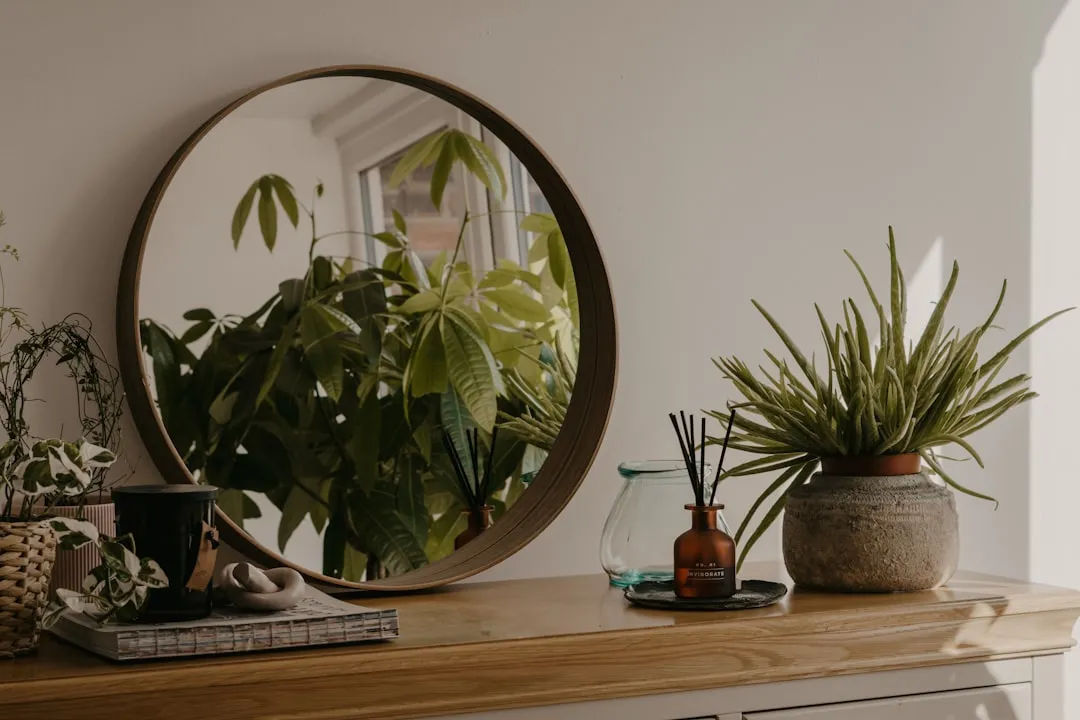
Buying tough plants is only half the equation; protecting your furniture and flooring is just as critical. Water rings on unsealed hardwood or antique veneer are a common headache for plant parents, so surface selection matters. Position heavier planters on durable laminate or stone surfaces rather than porous wood. An IKEA KALLAX 2×2 shelf unit works exceptionally well as a room-dividing plant station, while an IKEA MALM 3-drawer chest offers clean elevation with an easy-to-clean top that pairs with our curated interior styling essentials.
Smart Rental Hacks and Care Rules
When floor space is scarce, go vertical without risking your security deposit. Mount lightweight hanging planters using Command Picture Hanging Strips (5 lb capacity per set) to secure small pots—no power drills, wall anchors, or sticky residue required.
The true secret to houseplant longevity isn’t adding more water; it’s ditching rigid predictability. Throw out the rigid Sunday watering calendar. Ambient humidity, seasonal daylight shifts, and room temperature all dictate hydration needs. Research from the Royal Horticultural Society shows that flexible, observation-based watering routines improve houseplant health by up to 22% compared to fixed schedules.
- Bi-Weekly Soil Check: Insert your finger 2 inches into the dirt; if it comes out completely dry, water thoroughly, but if soil clings to your skin, wait another week.
- Saucer Cushion: Always place a cork or silicone coaster under terracotta and ceramic saucers to prevent slow moisture seepage onto furniture.
- Micro-Clustering: Group three hardy plants together on a single shelf to naturally raise localized humidity without requiring a noisy humidifier.
- Pot Selection: Always use containers with bottom drainage holes or keep plants in plastic nursery pots nestled inside decorative cachepots.
Building a Low-Maintenance Green Oasis That Outlasts Your Busy Schedule
Creating a lush, self-sustaining indoor garden doesn’t have to be intimidating, even if your weekly calendar is packed. Start by selecting a forgiving architectural foundation plant like a ZZ Plant or Snake Plant—both tolerate erratic watering, dry radiator heat, and dim corners. Next, add a trailing Golden Pothos or Heartleaf Philodendron for layered visual interest; their vibrant vines can trail along a bookshelf edge or hang gracefully from a wall sconce.
To streamline ongoing maintenance, set up a shallow pebble tray beneath your display pots. Simply fill a wide tray with small river stones and pour in water just below the stone tops. As the water evaporates naturally, it creates a micro-climate of steady humidity around your foliage without wetting the root ball.
Set a recurring calendar alert every four weeks to rotate each pot a quarter turn toward the light source. This simple two-second task ensures balanced, upright growth rather than lopsided leaning. Finally, wipe foliage gently with a damp microfiber cloth every month to remove accumulated household dust and maximize natural photosynthesis.
Frequently Asked Questions
- Which indoor plant survives the longest without water? The ZZ Plant (Zamioculcas zamiifolia) survives longest without moisture, frequently lasting 4 to 6 weeks between waterings thanks to its bulbous underground rhizomes.
- Can neglect-tolerant plants thrive in rooms with no natural window light? Yes, varieties like Snake Plants, Pothos, and ZZ Plants thrive under standard fluorescent or LED overhead office lighting.
- How do I prevent overwatering hardy houseplants during winter months? Cut watering frequency roughly in half during cooler seasons because plants enter semi-dormancy and use significantly less soil moisture.
- What is the best way to clean dust off houseplant leaves? Wipe both sides of the foliage gently using a soft cloth dampened with lukewarm water to clear pores and boost light absorption.
Looking Ahead: Making Your Green Space Thrive Year-Round
As seasons shift, adjusting your basic care routine takes mere minutes but yields healthy growth throughout the entire year. During dark winter months, shift light-hungry pots closer to south- or east-facing windows and pause all fertilization. As spring arrives, your plants will enter an active growth phase; introduce a balanced, water-soluble liquid fertilizer diluted to half strength once every six to eight weeks.
During peak summer, intense direct afternoon rays through unshaded glass can scorch delicate leaves. Hang sheer linen curtains to diffuse harsh light while maintaining bright, ambient conditions. By paying attention to small seasonal cues and trusting durable species, you’ll maintain an enviable, vibrant indoor sanctuary that survives your busiest days.
Meta Description: Discover the most resilient low-maintenance indoor houseplants for busy lifestyles, featuring care routines, styling tips, and top low-light plants.
Focus Keywords: low-maintenance indoor plants, hardy houseplants, best low-light plants, easy plant care tips
SEO Excerpt: Keep your home lush without the stress. Learn how resilient indoor plants like ZZ plants and pothos thrive on neglect, busy schedules, and low light.