DIY Home Staging Tips to Sell Your House Fast on a Budget
Selling your home doesn’t require a Hollywood-level staging budget or a team of high-priced interior stylists. When you put a property on the market, you aren’t just selling square footage and drywall—you’re selling an aspirational lifestyle. Buyers want to imagine their own lives unfolding seamlessly within your walls. If your rooms feel cramped, dark, or cluttered with personal memorabilia, prospective purchasers struggle to visualize their future in the space. Fortunately, strategic DIY staging allows you to highlight your property’s best architectural features while concealing its awkward quirks.

Our editorial team covers wellness, productivity, and modern living \u2014 backed by research, shaped by real experience. We believe good advice should read like a conversation, not a textbook.
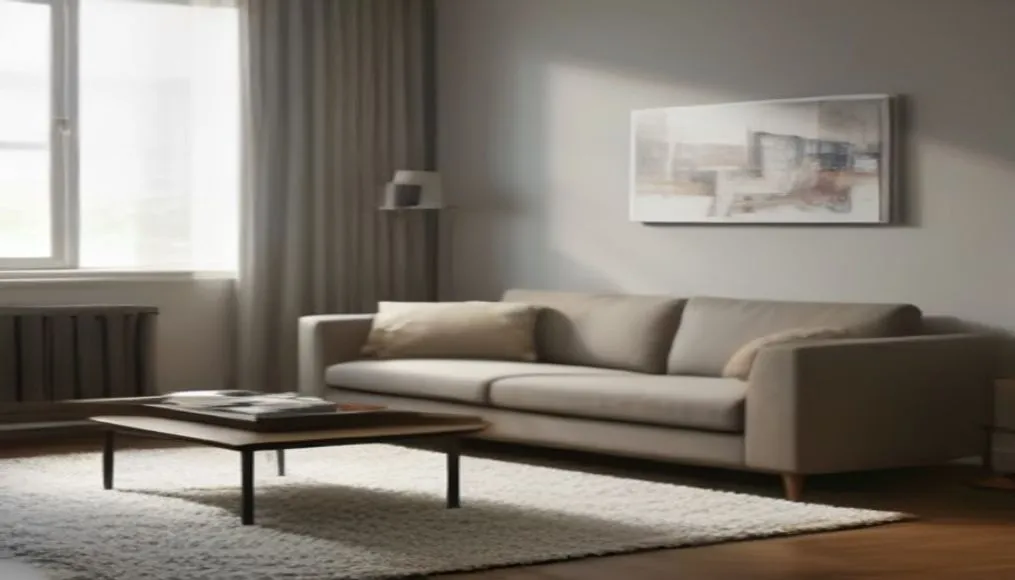
According to comprehensive market insights from the Joint Center for Housing Studies of Harvard University, home improvement decisions that prioritize functional layout and modernized visual appeal consistently yield stronger resale dividends. By applying proven design fundamentals, you can transform ordinary spaces into warm, photogenic showpieces that ignite bidding wars. For an in-depth primer on foundational techniques, review our complete diy home staging guide to establish your preliminary timeline.
The Strategic Psychology of Home Staging: What Sells
Staging isn’t interior decorating; it’s visual marketing. Decorating reflects personal taste, while staging edits that taste down to a clean, universally appealing palette. Professional real estate agents often emphasize that first impressions occur within the initial eight seconds of crossing the threshold. As highlighted by HomeLight’s property styling experts, homes staged strategically spend an average of 33% to 50% less time on the market compared to un-staged equivalents.
When buyers step into an open house, their brains rapidly assess three unconscious criteria:
– Volume and Scale: Does this room feel open, tall, and capable of holding my furniture?
– Natural Illumination: Is this environment cheerful and energizing or dim and subterranean?
– Maintenance Confidence: Does this property appear clean and well-tended, suggesting hidden systems like plumbing and HVAC are in good order?
To capitalize on this buyer mindset, focus on neutral hues like warm off-white, light greige, and soft linen. Rich jewel tones or dramatic accent walls might delight your personal artistic sensibilities, but they introduce visual friction for buyers who dread repainting. Neutral backdrops bounce ambient light, elevate perceived ceiling heights, and create a calm atmosphere where buyers linger longer.
Declutter and Depersonalize with Smart IKEA Storage Systems
The golden rule of staging is simple: if you don’t need it to live comfortably over the next thirty days, pack it, sell it, or donate it. Clutter acts like visual noise, shrinking rooms by cutting sightlines. Serious buyers open closet doors, peek inside pantries, and inspect bathroom vanities. If your storage zones are bulging at the seams, buyers immediately assume your home lacks adequate square footage.
You don’t need expensive custom cabinetry to resolve storage bottlenecks. Affordable flat-pack solutions provide clean architectural lines that look polished during open houses. Here is how you can systematically streamline your home:
- The 50% Reduction Rule: Empty every closet, shelf, and cabinet by at least half. Leave ample negative space between hanging garments and storage bins to communicate abundant capacity.
- Utilize Modular Cube Units: Implement IKEA KALLAX shelving or TROFAST modules fitted with uniform fabric inserts or seagrass baskets to conceal daily clutter, toys, and cables.
- Streamline Primary Closets: Swap mismatched wire, plastic, and velvet hangers for uniform wooden or slim velvet hangers in a single shade. Group clothing by color gradient from light to dark.
- Remove Personal Identity Traces: Box up family portraits, diplomas, personal trophies, political memorabilia, and eccentric collectibles so buyers focus on the architecture rather than your biography.
- Clear Flat Horizons: Keep kitchen countertops, bathroom vanities, and credenzas roughly 80% clear. A single wooden cutting board with a ceramic bowl of lemons is far more appealing than a lineup of blenders and mail stacks.
For those managing tight urban footprints, explore how multi-functional furnishings optimize micro-spaces in our analysis of smart furniture solutions maximizing space.
Room-by-Room Small Apartment and Home Staging Guide
Every room must have a distinct, singular identity. If you have an awkward alcove under the stairs or an ambiguous corner in the living room, define it clearly as a reading nook, a beverage station, or a compact home office.
The Entryway and Foyer
The entryway sets the emotional stage for the entire tour. It needs to convey order and effortless arrival:
– Place a slim console table or wall-mounted floating shelf to catch small decorative items.
– Position a large, framed mirror above the console to reflect ambient hallway light and double the perceived foyer width.
– Add a fresh, subtle scent—think light citrus or clean eucalyptus—using an unobtrusive reed diffuser rather than heavy artificial sprays.
– Ensure the front door hardware is polished and functions without sticking.
The Living Room
Living areas must showcase comfortable conversation flow and unhindered movement:
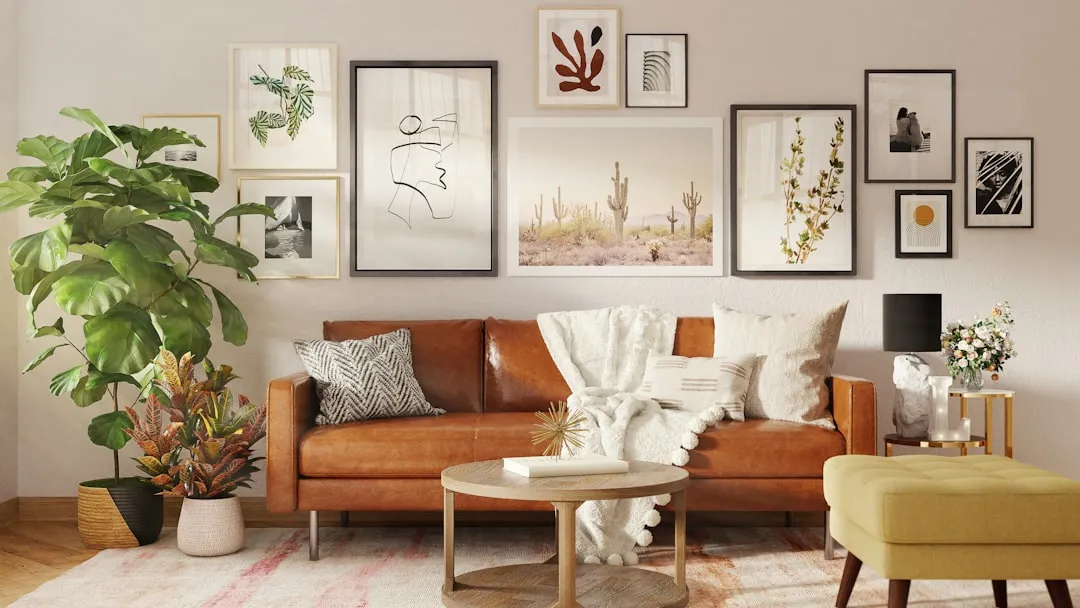
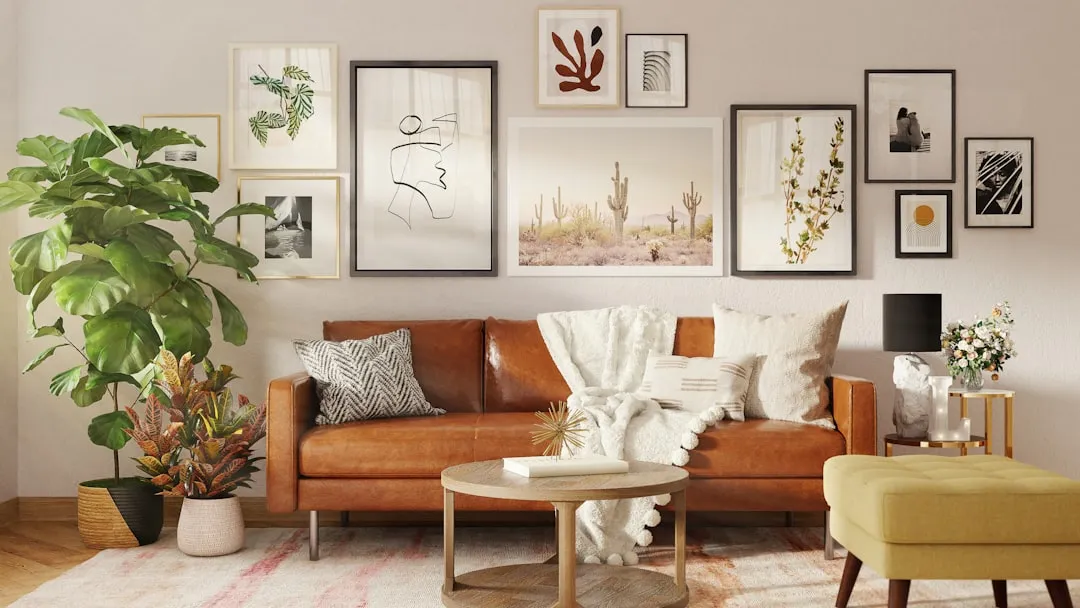
– Pull furniture away from walls; floating your sofa even six inches off the drywall adds depth and dimension.
– Anchor the seating arrangement with a large, low-pile neutral area rug that extends under the front feet of all key seating pieces.
– Layer textures instead of colors: combine crisp linen cushions, a soft waffle-knit throw, and a sculptural matte ceramic vase.
– Maximize daylight by removing heavy blackout drapes in favor of airy, floor-to-ceiling sheer curtains hung close to the ceiling molding.
The Kitchen and Dining Area
Kitchens sell homes, and buyers inspect them with high scrutiny. As discussed in DIY home staging tips for selling fast on a budget, minor cosmetic refreshes often produce outsized returns:
– Deep-clean stove burners, oven interiors, refrigerator fronts, and tile grout lines until they gleam.
– Replace dated cabinet pulls and knobs with brushed brass, matte black, or polished nickel hardware for an instant modern lift.
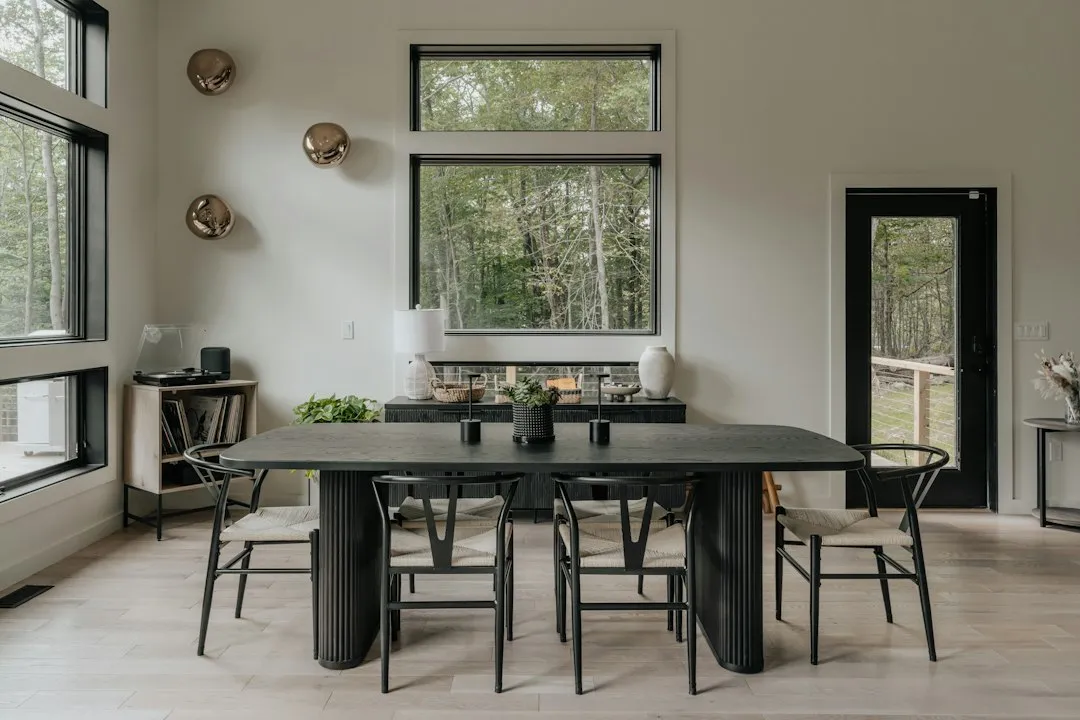
– Set the dining table simply: two crisp woven placemats, white ceramic dinnerware, and a low glass vase with fresh greenery stems.
– Store dish drying racks, sponges, and dish soap beneath the sink out of sight.
The Bedrooms and Bathrooms
Bedrooms should evoke a calm, boutique hotel sanctuary:
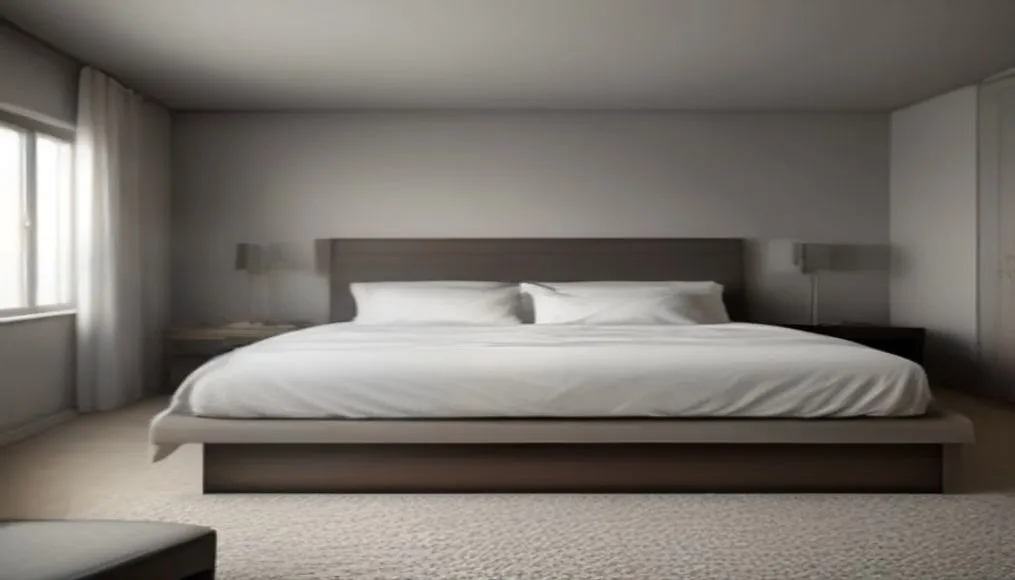
– Dress beds in crisp, solid white duvets, topped with two sleeping pillows and two structured shams.
– Clear nightstands of prescription bottles, chargers, books, and tissue boxes, leaving only matching bedside lamps.
– In bathrooms, roll plush white bath towels and arrange them neatly in a wire basket.
– Replace tired shower curtains with a textured white fabric curtain hung with clean stainless rings.
– Keep the toilet lid firmly down and mirrors completely streak-free.
If your property includes an exterior balcony, patio, or courtyard, remember that outdoor square footage is premium real estate. Discover creative styling strategies in our guide to multifunctional outdoor spaces for urban homes.
Cost Comparison: DIY Staging vs. Professional Services
When deciding whether to stage your home yourself or hire an external design firm, consider your budget, available time, and expected return on investment. Both routes have merit depending on your property’s price point and competitive market conditions.
| Staging Category | Full Professional Staging | Strategic DIY Staging Approach | Expected Value Impact |
|---|---|---|---|
| Initial Consultation Fee | $300 – $600 | $0 (Self-audit and online research) | High clarity on priorities |
| Furniture Rental (Monthly) | $1,500 – $3,500+ | $0 (Reposition existing pieces) | Substantial capital savings |
| Cosmetic Refresh & Paint | $1,200 – $2,500 (Contracted) | $150 – $350 (DIY neutral paint) | 100%+ immediate ROI |
| Lighting & Fixture Upgrades | $500 – $1,200 | $80 – $200 (Bulbs & modern hardware) | Bright, photogenic listings |
| Turnaround Time | 7 – 14 business days | 2 – 4 intensive weekends | Rapid speed to market |
As professional lifestyle curator and home organizer Sarah Lin notes: “Staging is not about masking defects; it’s about eliminating distraction so buyers appreciate your home’s structural integrity and proportions without mental fatigue.” Real estate platforms like Empty Nest Blessed’s home staging guides highlight that even simple curb-appeal investments—like a freshly painted front door and manicured flower planters—deliver exceptional listing traffic.
Final Walk-Through Checklist for Maximum Buyer Appeal
Before your real estate photographer arrives or open house visitors cross the threshold, run through this comprehensive checklist to guarantee every room presents at its absolute best.
- [ ] Adjust Color Temperature: Replace all mixed lightbulbs with daylight-balanced LED bulbs (around 2700K to 3000K) so your lighting looks unified, warm, and inviting.
- [ ] Turn on All Illumination: Switch on overhead fixtures, under-cabinet lighting, and accent lamps throughout the house, even in broad daylight, to eliminate shadows.
- [ ] Open Every Blinds Slat: Angle window blinds slightly upward to direct exterior light toward ceilings, enhancing natural room volume.
- [ ] Eradicate Pet Traces: Stash litter boxes, feeding dishes, chew toys, and pet beds out of sight; run a HEPA vacuum to eliminate stray pet hairs and dander.
- [ ] Sanitize and Deodorize: Avoid chemical room fresheners that signal hidden moisture or smoke; open windows an hour before showings to invite fresh outdoor air.
- [ ] Polish Reflective Surfaces: Wipe down stainless steel appliances, chrome fixtures, glass shower partitions, and mirrors until completely free of fingerprints.
- [ ] Curb Appeal Touch-Up: Sweep the front walkway, shake out the welcome mat, pull stray weeds, and rinse dirt from siding near the entryway.
Frequently Asked Questions About DIY Home Staging
How much should I realistically spend on DIY staging?
Most homeowners achieve remarkable results by budgeting between 0.5% and 1% of their home’s listing price. In many cases, spending just $300 to $800 on fresh paint, matching towels, modern cabinet pulls, and uniform storage bins is sufficient to dramatically elevate perceived value.
Can I stage my house while still living in it?
Yes, absolutely. The secret is establishing daily maintenance routines. Keep large plastic storage totes in an out-of-the-way closet or vehicle trunk where you