How to Style Your Bedroom Layout for Deeper Sleep
If your bedroom looks like an overcrowded storage locker, your nervous system won’t power down when your head hits the pillow. Choosing the right decor style bedroom layout can completely change how your body transitions into rest at the end of a demanding day. I spent months tossing and turning in my own space before realizing that an awkward furniture arrangement, visual clutter, and harsh cool lighting were keeping my brain in high gear long past midnight.

Our editorial team covers wellness, productivity, and modern living \u2014 backed by research, shaped by real experience. We believe good advice should read like a conversation, not a textbook.
When I reoriented my furniture and tested calming bedroom styling ideas, my sleep quality improved within forty-eight hours. With a few deliberate adjustments, you can transform your space into an intentional sleep retreat tonight.
Optimize Layout and Lighting for Circadian Rhythm
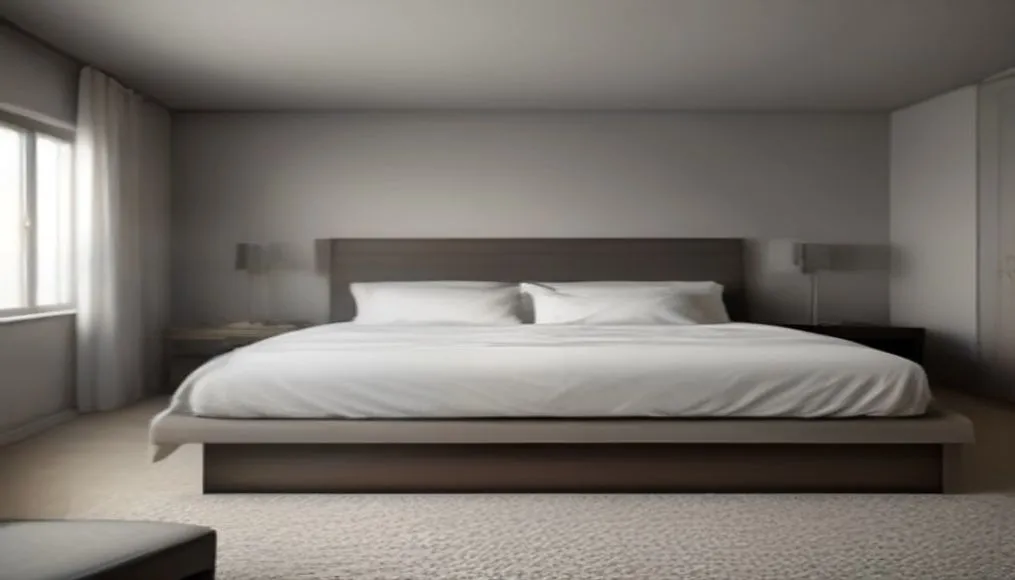
Bed positioning sets the psychological foundation of your entire room. When I rearranged my layout, moving the headboard against a solid interior wall away from draughty entryways and street-facing windows immediately reduced ambient sound disruptions. Adopting an intentional approach to minimalist bedroom decor ensures your sleeping zone remains a refuge rather than an overflow zone for laundry baskets and unopened mail.
According to Dr. Matthew Walker, professor of neuroscience at UC Berkeley, environmental cues dictate our body’s transition into non-REM deep sleep cycles. A well-ventilated, symmetrical layout lowers baseline stress levels, helping regulate natural nighttime cortisol reduction. If you’re working with compact square footage, consider a low-profile divider like the IKEA KALLAX 2×2 shelf unit ($49.99). It creates functional visual zoning without interrupting airflow, letting you store weighted blankets and bedtime reads without visual noise.
Proper illumination is just as critical for your biological clock:
- Hang dense blackout curtains: Ambient light from street lamps suppresses melatonin synthesis. Investing in layered blackout panels, such as budget-friendly sets from IKEA ($29.99), blocks up to 99% of outside glare and seals out distracting light leaks.
- Switch to warm ambient fixtures: Overhead blue-toned daylight bulbs signal daytime alertness to the brain. Using our comprehensive bedroom lighting guide to source 2200K to 2700K bulbs signals your pineal gland that sleep is approaching.
- Install concealed accent lighting: Dimmable warm LED light strips placed behind a wooden headboard or underneath floating shelving ($15–$25) provide gentle perimeter glow that mirrors a natural evening sunset.
Clinical research from the Harvard study on blue light shows that pre-bedtime exposure to high-kelvin, cool-spectrum light can delay sleep onset by more than 30 minutes. Warm, indirect lighting mitigates this delay while making your bedroom feel instantly cozier.
Decluttering and Sensory Calming for Restful Sleep
Visual clutter translates directly to mental friction. When every horizontal surface holds chargers, loose paperwork, and half-empty water glasses, your subconscious stays in an active processing state. Dr. Rebecca Robbins, an operational sleep scientist at Brigham and Women’s Hospital and Harvard Medical School, notes that an organized, tranquil physical bedroom environment plays a measurable role in shortening sleep latency.
To restore calm, create a firm boundary against electronics. Devices emitting short-wavelength light trigger alertness. When I moved my smartphone charging dock into the hallway and replaced it with a minimalist analog clock, I stopped late-night scrolling instantly.
Keep nightstands and dressers streamlined by utilizing closed storage solutions:
- Utilize compact dressers: The IKEA MALM 3-drawer chest ($129.99) offers clean dimensions (31 1/2″W x 18 7/8″D x 30 3/4″H), making it easy to stow away journals, reading glasses, and sleep masks out of view.
- Embrace organic, tactile textiles: Upgrade your sheets by consulting our natural bedding guide to find breathable materials. Washed French linen, percale cotton, and lightweight wool floor rugs help dampen harsh room acoustics and regulate thermal comfort.
- Mount wall art cleanly: Use Command Poster Strips ($14.99) to display minimalist landscape prints or muted abstract canvases without cluttering the visual field with busy gallery arrangements.
- Incorporate air-purifying greenery: Review our bedroom plants guide to select low-light options like sansevieria or peace lilies that introduce organic texture and support indoor freshness.
Pairing practical decluttering tips with tailored bedroom organization ideas builds a sensory barrier between daytime stress and evening rest. Health research from the WHO sleep guidelines emphasizes that reducing environmental sleep disturbances actively protects long-term cardiovascular health.
Start With These Three Immediate Bedroom Changes
You don’t need an expensive contractor or an extensive weekend remodel to see tangible improvements in your sleep quality. When readers ask me where to start on a tight schedule, I recommend making these three targeted adjustments before bed tonight:
- Eliminate Overhead Glare: Turn off your primary ceiling fixture at least 60 minutes before bedtime. Switch exclusively to low-wattage bedside lamps equipped with 2700K warm bulbs to let your eyes adjust naturally to evening darkness.
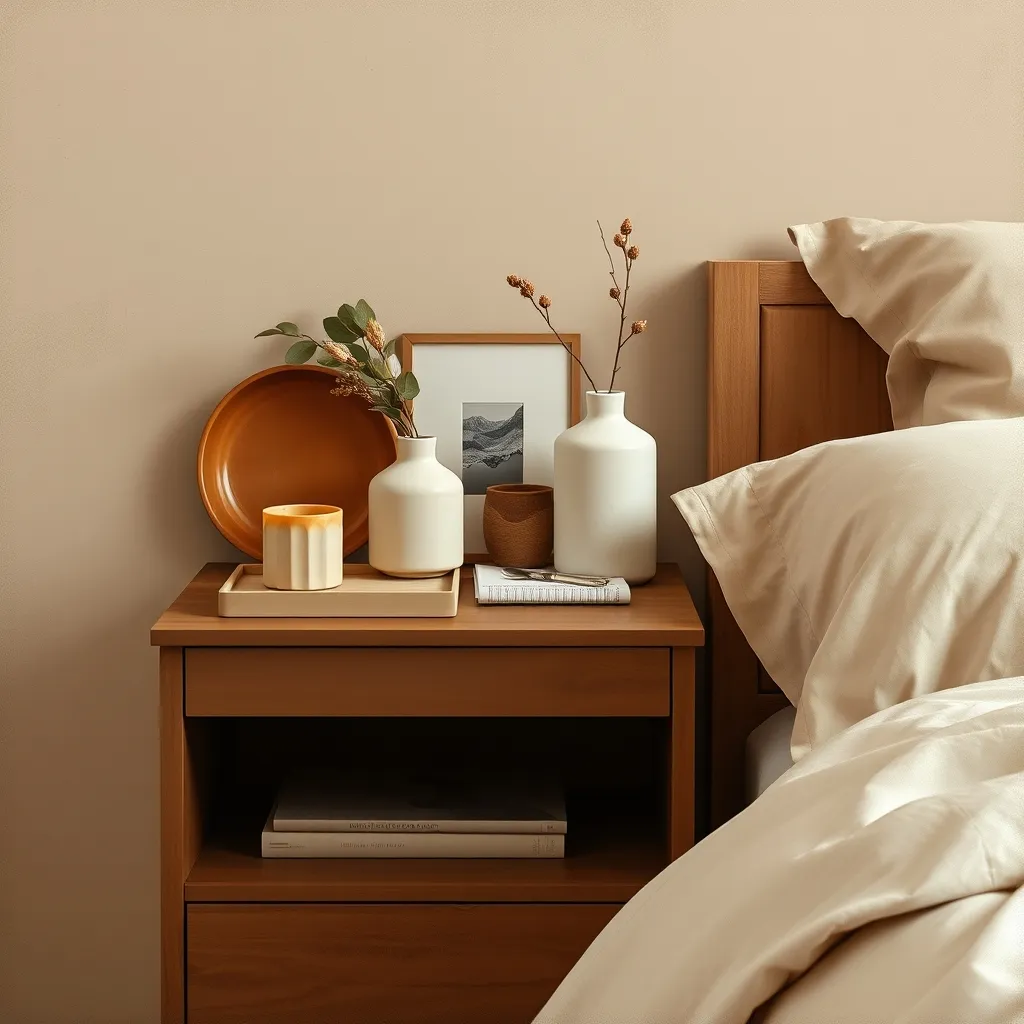
- Clear the Direct Bedside Sightline: Clear your nightstand surface of everything except a glass of water, a book, and a gentle alarm clock. Tuck cables, remotes, and receipts into a drawer or a covered basket.
- Establish a Cohesive Palette: Tone down vibrant, stimulating accents by adopting a soothing cozy bedroom color palette using warm grays, muted sage, or soft oatmeal tones on your top blanket and pillowcases.
Creating Your Long-Term Sleep Sanctuary
Curating a sleep-first bedroom isn’t just about interior design trends; it’s a foundational investment in your daily focus, mood, and sustained vitality. When you enter a bedroom that feels grounded, quiet, and uncluttered, your body instinctively realizes it’s safe to power down.
Take ten minutes tonight to dim your overhead lights, clear off your bedside table, and pull your curtains shut. Once you experience how much easier it is to fall asleep in a balanced space, you won’t ever want to return to a cluttered bedroom.
Frequently Asked Questions About Sleep-Focused Bedroom Design
What wall colors promote the best sleep quality?
Muted, low-saturation tones like soft sage green, warm taupe, dusty slate blue, and creamy oatmeal help reduce sensory overstimulation. High-gloss whites or bright neon accents reflect excessive light and keep your mind active.
How far should electronic devices be kept from the bed?
Keep smartphones, tablets, and laptops at least four to five feet away from your mattress, or ideally outside the bedroom altogether, to eliminate notification chimes and blue light interference.
What is the ideal bedroom temperature for sleeping?
Most sleep researchers recommend keeping your thermostat between 60°F and 67°F (15°C to 19°C), paired with breathable cotton or linen bedding that prevents nighttime overheating.
Disclaimer: This article is for informational purposes only and is not intended to substitute for professional medical advice, diagnosis, or treatment of clinical sleep disorders.
Meta Description: Transform your bedroom into a restorative sleep sanctuary with practical layout tips, warm circadian lighting, and decluttering design advice.
Focus Keywords: decor style bedroom, bedroom design for better sleep, sleep hygiene bedroom decor, bedroom layout tips
SEO Excerpt: Learn how to optimize your bedroom layout, dimmable lighting, and nightstand organization to lower stress and enjoy deeper, restorative sleep tonight.