Why Doing Nothing Boosts Your Brain: A Practical Guide to Real Rest
We spend more time deciding which Netflix series to binge than we do recharging our mental batteries. The guilt that creeps in when we pause work isn’t a sign of laziness—it’s a misplaced dopamine loop. Modern hustle culture celebrates busyness as a badge of honor, yet science shows that relentless output without recovery leads to a crash‑and‑burn cycle. In this guide, we’ll unpack why doing nothing is actually a high‑performer’s secret weapon, explore the neuroscience behind it, and give you concrete, low‑tech tools to embed true rest into your daily routine.

Our editorial team covers wellness, productivity, and modern living \u2014 backed by research, shaped by real experience. We believe good advice should read like a conversation, not a textbook.
The Hidden Cost of Constant Busyness
The mantra “stay busy” feels like a virtue, but it masks a deeper problem: output‑driven self‑worth. When we equate value with productivity, rest becomes a guilty pleasure. The National Institutes of Health (NIH) reports that chronic stress and insufficient recovery are leading contributors to burnout. In workplaces that reward “productivity theater,” employees often appear occupied while delivering mediocre results. By deliberately carving out moments of nothingness, you give your brain the chance to shift from high‑alert mode to a restorative state, paving the way for deeper focus when you return to work.
Understanding the Default Mode Network and Its Role in Creativity
When you stop a task, the brain doesn’t shut down—it flips a switch to the Default Mode Network (DMN). This network lights up during periods of quiet reflection, allowing memories to interlace, emotions to settle, and novel connections to surface. Harvard Health explains that the DMN is the brain’s “maintenance mode,” essential for integrating information and fostering insight. Boredom isn’t a flaw; it’s the fuel that powers the DMN. That’s why many great ideas—think of Archimedes’ “Eureka!” moment—emerge while showering or strolling, when external stimuli are minimal.
What Science Says About 30 Days of True Rest
A Stanford study found that short, intentional bouts of stillness lower cortisol and improve emotional regulation. Dr. Andrew Huberman (Stanford School of Medicine) notes that genuine rest, not passive distraction, replenishes the brain’s “fuel” used during deep focus. The Lancet also highlighted that consistent recovery cycles are crucial for maintaining steady cognitive performance; without them, the brain’s “engine” overheats and efficiency drops. In other words, regular periods of true rest are not optional—they’re a physiological necessity for sustained high‑level work.
Actionable Tools and Protocols for Real Rest
Below are low‑tech tools that help you create a distraction‑free window for the DMN to do its work:
- Freedom App – Use Freedom to block distracting websites during designated rest blocks.
- Forest App – Grow a virtual tree with Forest while you avoid your phone; the tree dies if you break focus.
- NSDR (Non‑Sleep Deep Rest) – Play guided NSDR audio (e.g., from Huberman Lab) to trigger deep physiological calm.
The Sensory Deprivation Protocol
- Choose a quiet room with no music, podcasts, or electronic devices.
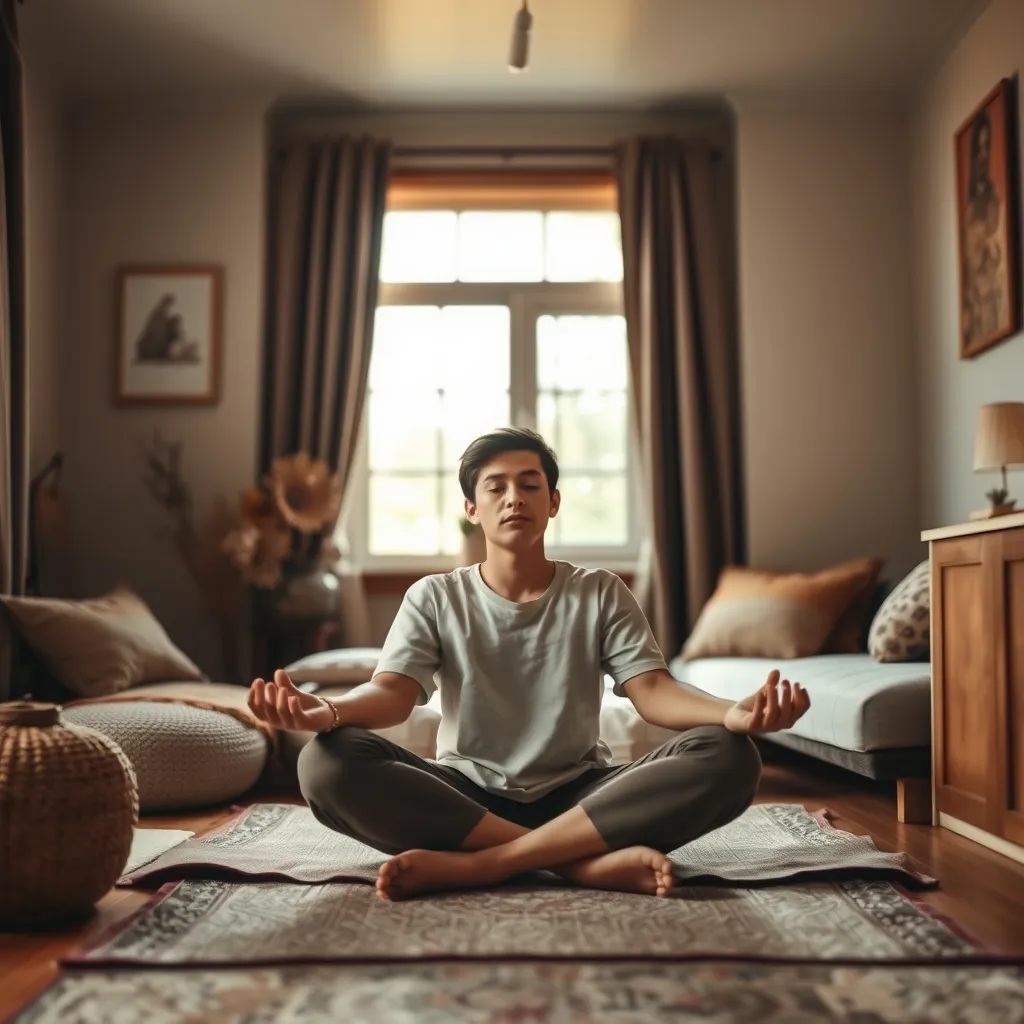
- Sit comfortably, close your eyes, and focus on the natural rhythm of your breath.
- Remain still for 5–10 minutes. The initial discomfort is simply dopamine withdrawal; it fades as your nervous system resets.
Personal Experience: How I Integrated Stillness Into My Day
The hardest part was the first 15‑minute silence. I felt an urge to check my phone and anxiety rose. Setting a simple kitchen timer for 10 minutes forced me to stare at the wall or gaze out the window. After three days, the anxiety receded, and a quiet clarity replaced the noise.
Starting Tonight: What Actually Works for Real Recovery
- The 10‑Minute Reset – Set a timer, sit upright, and do absolutely nothing (no book, no phone).
- Sensory Dimming – Dim overhead lights and mute background noise for an hour before bed.
- Nature Observation – Spend 15 minutes watching moving elements like trees swaying or water flowing.
These micro‑habits signal to your brain that the environment is safe for idle processing, allowing the DMN to spring into action without the need for a mountain retreat.
Is This Approach Right for You?
This method isn’t a one‑size‑fits‑all. Individuals with severe anxiety, PTSD, or trauma may find pure silence triggering. In such cases, active rest—gentle yoga, light walking, or guided meditation—offers a gentler entry point. Always treat this guide as informational only; consult a healthcare professional before making major changes to your routine, especially if you have a diagnosed mental health condition.
Frequently Asked Questions
Is it okay to do nothing all day?
Yes. Periodic breaks are essential for mental and physical health. They help you recharge and return to tasks with renewed energy.How can I rest without feeling guilty?
Reframe rest as a necessary component of productivity. Remind yourself that the brain needs downtime to process information and generate creativity.What are some effective ways to rest?
Options include short naps, silent sitting, nature observation, meditation, deep‑breathing exercises, and gentle yoga. Experiment to find what resonates most with you.
Related reads from Explore Lifestyle
- Live with Style
- Sustainable Style Evolution
- Best Planners and Journals for 2026, Actually Tested
- Mindful Living Tips
- Top Meditation Apps for 2026
Disclaimer: This article is for informational purposes only and does not constitute medical advice. Always consult a qualified healthcare professional before implementing new health or wellness practices.
Meta Description: Discover why doing nothing boosts brain power, how the Default Mode Network works, and practical tools to embed real rest into your daily routine.
Focus Keywords: doing nothing for brain health
SEO Excerpt: Learn the science behind true rest, the role of the Default Mode Network, and easy steps to reclaim focus and creativity.