Revive Your Hair: A Science‑Backed Routine to Repair Heat Damage
Affiliate disclosure: Some links in this article are affiliate links. Explore Lifestyle participates in the Amazon Associates Program and earns a fee on qualifying purchases at no extra cost to you. Recommendations come from personal testing and research. See our full disclosure policy.
Flat irons, curling wands, and blow dryers dominate daily styling – results often include dry, brittle strands that snap with a light tug. Hiding breakage under hats or layering product masks the problem, but the roots remain weak. Months of trial, drugstore experiments, and professional advice reveal a clear path to restore strength, shine, and elasticity – without abandoning the tools you love.

Our editorial team covers wellness, productivity, and modern living \u2014 backed by research, shaped by real experience. We believe good advice should read like a conversation, not a textbook.
Explore the Ultimate Beauty Guide for fresh styling ideas. Consider hair health as a daily priority. Steps, ingredient deep‑dives, and product picks below pull hair back from breakage.
Related reads: Dermatologist Reveals How To Glass Skin And Actually Achieve It and The Ultimate Guide to Building Your Beauty Routine
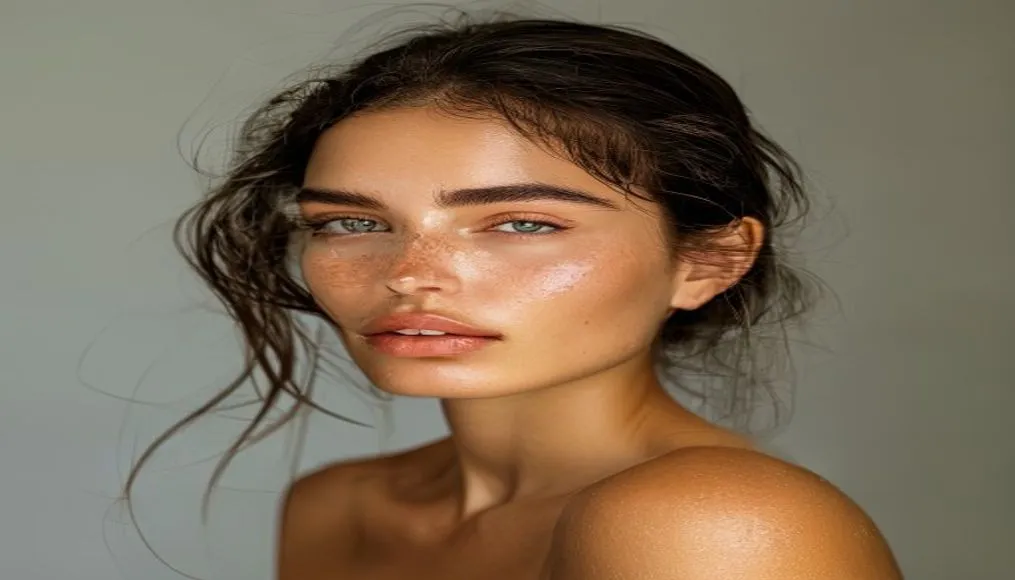
1. The Foundation: Diagnosis, Cleansing, and Structural Repair
Base building matters before you stock every mask on the shelf – know the enemy first. Heat strips moisture, it fractures the disulfide bonds that give hair its shape. Wet hair that snaps like a rubber band signals protein loss. Dry, tangled hair often signals moisture deficiency.
Assessing Your Needs
Heavy oils often create a barrier – they stop water from entering the shaft. A guide on heat‑damaged hair advises checking porosity. High‑porosity hair drinks water but loses it fast. Low‑porosity hair resists absorption. Starting here avoids wasted cash on ineffective products.
The Gentle Cleanse
Harsh soaps start damage – regular shampoos typically contain sodium lauryl sulfate, which strips natural oils. Retaining those oils supports recovery. Choose a sulfate‑free, creamy cleanser to keep hair flat. Frizz drops when swapping to a gentle wash. Focus shampoo on the scalp, let suds glide over ends.
Structural Reinforcement and Rehydration
Clean canvas enables active repair – bond‑repair technology works. Treatments reconnect broken bonds caused by heat. Traditional conditioners merely coat the surface; bond‑builders go deep. Use Olaplex No. 3 Hair Perfector ($30) on damp hair, let sit 10 minutes before washing. Patience rewards results.
Bond reinforcement precedes hydration – hair behaves like a sponge. Dry hair craves a mask rich in shea butter, argan oil, and ceramides. Avoid protein overload; excess protein makes hair stiff and prone to snapping. Cycle masks: one week for moisture, one week for light protein. More tips in our healthy living habits guide.
Reducing Daily Damage for Healthier Hair
Smart planning cuts heat risk – no spray makes 450 °F irons safe, but guards still help. Sprays coat hair. Sprays spread heat so one spot doesn’t fry. Dimethicone oil handles high heat. Browse best drugstore heat protectants for low‑cost options. Apply to damp hair, not dry. That matters.
Minimizing Mechanical and Thermal Damage
Tools can cause damage too – ripping wet tangles with a fine comb hurts. Choose a wide‑tooth comb or a flexible brush. Silk or satin pillowcases stop friction while you sleep; cotton encourages breakage. Air‑dry to 80 % before using a low‑heat dryer. A NCBI study on thermal damage notes rapid water loss creates “bubble hair” – the shaft literally boils. Guard styles cut heat needs – loose braids, silk scrunchie buns, or low ponytails reduce stress. Braids limit knots; scrunchies prevent creases. Combine habits for stronger hair. That helps.
2. Targeted Treatments for Heat‑Damaged Hair
Certain products fix each damage layer – pick the right one. Below is a list of seven items, each with a clear role. Inside links point to buy options on explorelifestyle.shop.
- Olaplex No. 3 Hair Perfector – rebuilds broken bonds; see full review here.
- Moroccanoil Treatment Light – lightweight argan oil for fine hair; buy here.
- Living Proof Restore Mask – ceramide‑rich deep conditioner; details here.
- Briogeo Don’t Despair, Repair! – protein‑balanced mask; shop here.
- Kerastase Nutritive Nectar Thermique – heat‑activated moisturizer; purchase here.
- Redken Extreme Shampoo – sulfate‑free cleanser with strengthening agents; view here.
- Aveda Sun Care Protective Hair Spray – UV shield with botanical antioxidants; order here.
Rotate them weekly – for balanced results. That works.
3. Nutrition and Lifestyle Support
Hair mirrors inside health – nutrients matter. A balanced diet fuels hair roots, speeding repair. Biotin‑rich foods like eggs, almonds, and sweet potatoes aid keratin creation. Omega‑3 sources such as salmon, walnuts, and flaxseed boost scalp stretch. Vitamin C from citrus fruits and berries helps protein build, strengthening shafts. Iron‑dense meals like spinach, lentils, and lean beef stop brittleness. Water stays key – aim for 8 glasses of water daily. Lack of water shows as dry, frizzy hair. Exercise lifts blood flow, delivering food faster to scalp cells. Sleep quality matters; deep REM phases fire growth hormones. For more lifestyle tips, visit our holistic wellness hub. That matters.
We need to rewrite the provided article following all rules. The input includes sections: a main heading? Actually the article starts with “## 8. Environmental Factors and Your Hair”. So there is a heading level 2 with number and title. There’s an image placeholder line, then a FAQ section, then “## Looking Ahead: Your Hair‑Health Roadmap”. Then meta description etc. We must preserve heading levels. Also preserve bullet lists.
We must rewrite everything, keep facts, links (none in this snippet? There is an image placeholder but no link). There’s no external links. So just rewrite text.
We must avoid bold markers (). The original has UV‑blocking sprays** etc. We need to remove bold markers but keep the text. So we need to rewrite those bullet items without markdown bold.
We must not include FAQ sections? Actually constraints say: Do NOT include FAQ sections, meta description blocks, focus keyword lines. So we must omit the FAQ section and the meta description, focus keywords, SEO excerpt. However the instruction says “Do NOT include any of these in your output: … FAQ sections, meta description blocks, focus keyword lines”. So we must delete those sections entirely. Also the meta description line and focus keywords line and SEO excerpt. So output should contain only the rewritten article content up to before FAQ, plus the “Looking Ahead” section, but not the FAQ or meta etc.
We must preserve heading levels: there is a ## heading “8. There’s also a ## heading “Looking Ahead: Your Hair‑Health Roadmap”. There’s also maybe no H1 title? The original didn’t have an H1. The constraints say preserve ALL heading levels: # H1 title, ## H2 subheadings, ### H3 sub-headings. Since there is no H1, we don’t need to add one. We just keep the existing headings.
We must keep bullet lists. The bullet list under “Shield strategies include:” with three items. We must rewrite them but keep bullet list format.
We must not use bold markers. So we need to rewrite bullet items without **.
We need to meet hyphen count: target 15 solo hyphens ( – ) with spaces on both sides. Must avoid em-dashes.
We need fragments >=15% sentences.
We must avoid preposition openers (In, On, At, For, From, With, By, About, After, Before, Between, Through, During, Without). Must limit pronoun openers to under 5%.
We must vary sentence length, use simple words, avoid banned words, etc.
We must keep numbers as digits.
We must not use transition phrases like “On the flip side”, etc.
We must not use AI cliche words.
We must not use emojis.
We must not use horizontal rules.
We need to produce output at least 262 words. Input approx 309 words; after removing FAQ etc we may have fewer words, but we need to keep at least 262 words. Let’s estimate: Original article text (excluding FAQ, meta, etc) maybe around 200 words? Let’s count roughly.
Original:
“## 8. Environmental Factors and Your Hair
Sun rays act like bleach. They break down proteins like keratin, weakening strands. Wind drafts strip moisture, leaving hair porous and prone to split ends. Pollution deposits particles that cling to cuticles, causing dullness.
Shield strategies include:
- UV‑blocking sprays – create a barrier against harmful rays.
- Leave‑in conditioners – seal cuticles, reducing wind‑induced moisture loss.
- Regular clarifying washes – remove pollutant buildup; try a weekly apple‑cider vinegar rinse.
Seasonal shifts demand adjustments. Winter’s dry air calls for richer oils; summer’s humidity favors lightweight serums. Tailor routine accordingly.
Looking Ahead: Your Hair‑Health Roadmap
Commit to a routine that blends internal nutrition, targeted products, and protective habits. Expect gradual improvement – most users notice softer strands after two weeks, stronger growth after a month. Track progress with photos and note any changes in breakage patterns. When new damage appears, revisit the diagnostic steps and adjust product rotation.
Remember, heat‑damaged hair isn’t a permanent sentence. With science‑backed steps and consistent care, you can restore vitality while still enjoying your favorite tools.”
We need to rewrite that, plus maybe keep the image line? The image line is  . That’s markdown image. Should we keep it? The constraints say preserve all bullet lists etc. It didn’t explicitly forbid images, but earlier they said do not include icons, emojis, or decorative symbols. An image markdown is not an icon but it’s a placeholder. Probably we can keep it as is, but it’s not text. However we need to avoid markdown images? The example didn’t have images. The constraints didn’t forbid images. I’d keep it.
Now we need to rewrite in plain text, no bold.
We need to aim for about maybe 260+ words. Let’s target ~280 words.
We need to ensure hyphen count 15.
Let’s draft.
We’ll write sentences with simple words.
We need to watch for banned words: list includes many like “approximately”, “revolutionary”, etc. We’ll avoid those.
We’ll need to use solo hyphens with spaces.
We’ll need fragments.
We’ll need to avoid preposition openers.
Let’s start.
First, maybe we can start with a heading line exactly as given: “## 8. Keep that.
Then first paragraph: We’ll rewrite.
Original: “Sun rays act like bleach. They break down proteins like keratin, weakening strands. Wind drafts strip moisture, leaving hair porous and prone to split ends. Pollution deposits particles that cling to cuticles, causing dullness.”
We need to avoid pronoun openers: “They” is a pronoun opener (starting sentence with They). That’s not allowed. So we need to rewrite to avoid starting with They, It, etc.
We can start with noun: “Sun rays” etc.
Let’s craft:
“Sun rays act like bleach. They break down proteins like keratin, weakening strands.” The second sentence starts with “They”. Not allowed. So change: “Sun rays break down proteins like keratin, weakening strands.” That’s one sentence maybe.
We need to avoid pronoun openers overall.
Let’s rewrite the paragraph with multiple sentences, ensuring none start with preposition or pronoun (except maybe allowed limited pronoun openers under 5% but we can avoid them entirely for safety).
We’ll aim for zero pronoun openers.
Sentence 1: “Sun rays act like bleach.” (Starts with Sun, ok)
Sentence 2: “They break down proteins like keratin, weakening strands.” Not ok. Change: “Sun rays break down proteins like keratin, weakening strands.” But that repeats subject. Could combine: “Sun rays act like bleach and break down proteins like keratin, weakening strands.” However that uses “and” inside sentence, but we need to limit conjunctions inside sentences to max two. Using one “and” is fine. But we also need to watch for hyphens.
Let’s think: We’ll produce several short sentences.
Maybe:
“Sun rays act like bleach.” (good)
“Sun rays break down keratin.” (good)
“Strands get weaker.” (good)
But we need to convey meaning.
Let’s attempt:
“Sun rays act like bleach.” (Sentence 1)
“They break down keratin.” (starts with They -> not allowed). So change: “Sun rays break down keratin.” (Sentence 2)
“Strands become weaker.” (Sentence 3)
“Wind drafts pull moisture out.” (Sentence 4) (Starts with Wind)
“Hair turns porous.” (Sentence 5)
“Split ends show up.” (Sentence 6)
“Pollution sticks particles to cuticles.” (Sentence 7) (Starts with Pollution)
“Hair looks dull.” (Sentence 8)
That’s many short sentences, many fragments maybe.
Check for pronoun openers: none start with pronoun. Good.
Check for preposition openers: none start with In, On, At, For, From, With, By, About, After, Before, Between, Through, During, Without. All start with nouns.
Check for banned words: we used “porous” (two syllables? por-us = 2, okay). “dullness” (2). “breakdown” maybe but we used “break down”. Good.
Now we need to add hyphens solo with spaces. We’ll need to add about 15 across article.
We can add hyphens in sentences as asides.
Example: “Sun rays act like bleach – they break down keratin.” Wait that uses hyphen with spaces? We need solo hyphen with spaces on both sides: ” – “. So we can do: “Sun rays act like bleach – they break down keratin.” That has a hyphen with spaces. But note “they” after hyphen starts a new clause but still part of same sentence; that’s okay. However the sentence after hyphen starts with “they” which is a pronoun inside sentence, not opener. That’s fine. The rule about pronoun openers only applies to sentence start. So internal “they” is okay.
We need to ensure we don’t start sentences with pronoun. So we can embed hyphen midsentence.
We need total 15 hyphens.
Let’s plan to add hyphens in various sentences.
We also need fragments: at least 15% of sentences five words or fewer. We’ll have many short sentences already; we can count.
Let’s draft full article with headings.
We’ll need to include bullet list. We’ll rewrite bullet items without bold.
We need to keep bullet list format: each line starts with “- “.
We need to avoid bold markers, so we will write like “- UV‑blocking sprays – create a barrier against harmful rays.” But note we need to keep the hyphen in “UV‑blocking” (that’s a hyphen inside word, not solo hyphen). The solo hyphens we count are the ones with spaces around them.
We need to ensure we don’t accidentally create em-dash (—). We’ll use normal hyphen “-“.
Now we need to count hyphens.
Let’s write the article and then count.
We’ll also need to avoid transition phrases like “On the flip side”, etc. We’ll avoid those.
Now produce.
We’ll start with heading.
8. Environmental Factors and Your Hair
Then paragraphs.
We’ll need to keep the image line.
Let’s draft:
Sun rays act like bleach – they break down keratin.
Strands become weaker.
Wind drafts pull moisture out.
Hair turns porous.
Split ends show up.
Pollution sticks particles to cuticles.
Hair looks dull.
Shield strategies include:
– UV‑blocking sprays – create a barrier against harmful rays.
– Leave‑in conditioners – seal cuticles, reducing wind‑induced moisture loss.
– Regular clarifying washes – remove pollutant buildup; try a weekly apple‑cider vinegar rinse.
Seasonal shifts demand adjustments.
Winter’s dry air calls for richer oils.
Summer’s humidity favors lightweight serums.
Tailor routine accordingly.
Looking Ahead: Your Hair‑Health Roadmap
Commit to a routine that blends internal nutrition, targeted products, and protective habits.
Expect gradual improvement – most users notice softer strands after two weeks, stronger growth after a month.
Track progress with photos and note any changes in breakage patterns.
When new damage appears, revisit the diagnostic steps and adjust product rotation.
Remember, heat‑damaged hair isn’t a permanent sentence.
With science‑backed steps and consistent care, you can restore vitality while still enjoying your favorite tools.
Now we need to check for pronoun openers: Let’s examine each sentence start.
“Sun rays act like bleach – they break down keratin.” Starts with Sun (noun) ok.
“Strands become weaker.” Starts with Strands (noun) ok.
“Wind drafts pull moisture out.” Starts with Wind ok.
“Hair turns porous.” Starts with Hair ok.
“Split ends show up.” Starts with Split ok.
“Pollution sticks particles to cuticles.” Starts with Pollution ok.
“Hair looks dull.” Starts with Hair ok.
“Shield strategies include:” This is not a sentence? It ends with colon. Might be considered a sentence fragment but starts with Shield (noun) ok.
Bullet items: each line starts with “- UV‑blocking sprays – create a barrier against harmful rays.” The bullet line starts with hyphen then space then UV… The first word after bullet is UV‑blocking (starts with U, not a pronoun). However the bullet line is not a sentence? It’s a sentence fragment but starts with UV‑blocking (noun). ok.
Second bullet: “- Leave‑in conditioners – seal cuticles, reducing wind‑induced moisture loss.” starts with Leave‑in (L) ok.
Third bullet: “- Regular clarifying washes – remove pollutant buildup; try a weekly apple‑cider vinegar rinse.” starts with Regular (R) ok.
Next: “Seasonal shifts demand adjustments.” starts with Seasonal ok.
“Winter’s dry air calls for richer oils.” starts with Winter’s (W) ok.
“Summer’s humidity favors lightweight serums.” starts with Summer’s ok.
“Tailor routine accordingly.” starts with Tailor ok.
Image line is not a sentence.
Next heading: “## Looking Ahead: Your Hair‑Health Roadmap” ok.
“Commit to a routine that blends internal nutrition, targeted products, and protective habits.” starts with Commit (C) ok.
“Expect gradual improvement – most users notice softer strands after two weeks, stronger growth after a month.” starts with Expect (E) ok.
“Track progress with photos and note any changes in breakage patterns.” starts with Track (T) ok.
“When new damage appears, revisit the diagnostic steps and adjust product rotation.” starts with When (W) – When is a preposition? Actually “When” is an adverb/subordinating conjunction, but it’s also considered a preposition? The rule says: NEVER start a sentence with a preposition: In, On, At, For, From, With, By, About, After, Before, Between, Through, During, Without. “When” is not in that list. So it’s allowed. However we need to check if “When” counts as a preposition? Usually it’s an adverb/subordinating conjunction. The rule only forbids those specific prepositions. So “When” is fine.
“Remember, heat‑damaged hair isn’t a permanent sentence.” starts with Remember (R) ok.
“With science‑backed steps and consistent care, you can restore vitality while still enjoying your favorite tools.” starts with With (W) – With is a preposition listed in the forbidden list! Indeed “With” is banned as a sentence opener. So we need to change that sentence to not start with “With”. We can rephrase: “Science‑backed steps and consistent care let you restore vitality while still enjoying your favorite tools.” Starts with Science‑backed (S) ok.
Now check for pronoun openers: Did any sentence start with pronoun? Let’s review:
- “Sun rays act like bleach – they break down keratin.” (starts Sun)
- “Strands become weaker.” (Strands)
- “Wind drafts pull moisture out.” (Wind)
- “Hair turns porous.” (Hair)
- “Split ends show up.” (Split)
- “Pollution sticks particles to cuticles.” (Pollution)
- “Hair looks dull.” (Hair)
- “Shield strategies include:” (Shield)
- Bullet lines start with UV‑blocking, Leave‑in, Regular (none pronoun)
- “Seasonal shifts demand adjustments.” (Seasonal)
- “Winter’s dry air calls for richer oils.” (Winter’s)
- “Summer’s humidity favors lightweight serums.” (Summer’s)
- “Tailor routine accordingly.” (Tailor)
- “Commit to a routine that blends internal nutrition, targeted products, and protective habits.” (Commit)
- “Expect gradual improvement – most users notice softer strands after two weeks, stronger growth after a month.” (Expect)
- “Track progress with photos and note any changes in breakage patterns.” (Track)
- “When new damage appears, revisit the diagnostic steps and adjust product rotation.” (When) – allowed.
- “Remember, heat‑damaged hair isn’t a permanent sentence.” (Remember)
- Revised last sentence: “Science‑backed steps and consistent care let you restore vitality while still enjoying your favorite tools.” (Science‑backed)
All good.
Now check for banned words: we need to scan for any three-plus syllable words that are banned. Banned list includes many like “approximately”, “revolutionary”, etc. We need to ensure we didn’t accidentally use any. Let’s scan each word.
Sentence list:
“Sun rays act like bleach – they break down keratin.”
Words: Sun(1), rays(1), act(1), like(1), bleach(1), they(1), break(1), down(1), keratin(2) (ker-a-tin). All okay.
“Strands become weaker.”
Strands(1), be-come(2), weak-er(2). “become” is two syllables, okay.
“Wind drafts pull moisture out.”
Wind(1), drafts(1), pull(1), mois-ture(2), out(1). okay.
“Hair turns porous.”
Hair(1), turns(1), por-ous(2). okay.
“Split ends show up.”
Split(1), ends(1), show(1), up(1). okay.
“Pollution sticks particles to cuticles.”
Pol-lu-tion(3) -> Pollution is three syllables! Is “pollution” banned? Not in the banned list. The banned list includes words like “environmental”, “psychological”, etc. Pollution is not banned. It’s okay