How to Inspect Secondhand Furniture for Quality and Lasting Value
Truck beds tell real stories. Looking underneath a vintage credenza reveals the truth right away – before wasting hard-earned cash. One quick peek separates a real family heirloom from 20 pounds of cheap sawdust bound for the local dump. Buying old furniture helps folks save money – real cash – while picking up pieces packed with handmade character and skill. Thrift shops and garage sales look great at first glance. Cosmetically staged tables often hide cracked frames, bad wood rot, sheared bolts, or even nasty bugs. Looks deceive often. Danger hides inside.

Our editorial team covers wellness, productivity, and modern living \u2014 backed by research, shaped by real experience. We believe good advice should read like a conversation, not a textbook.
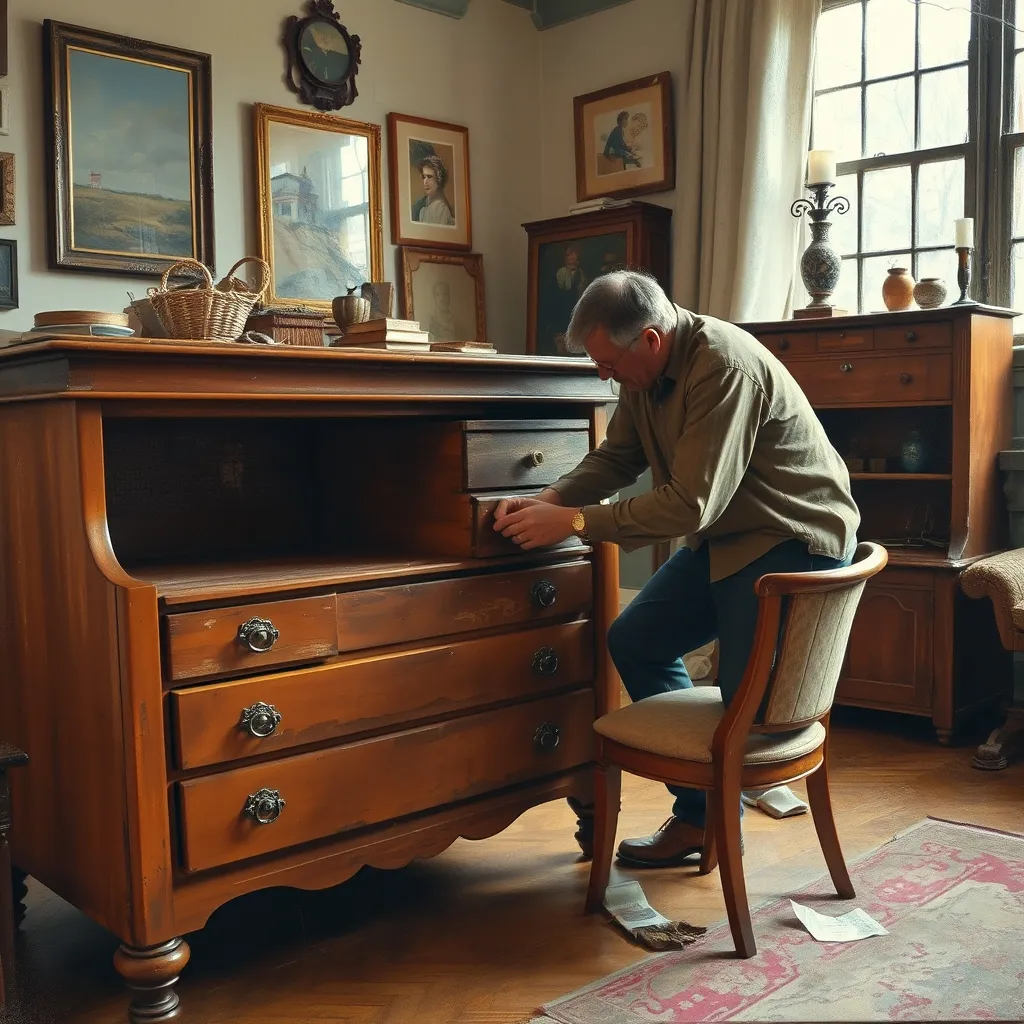
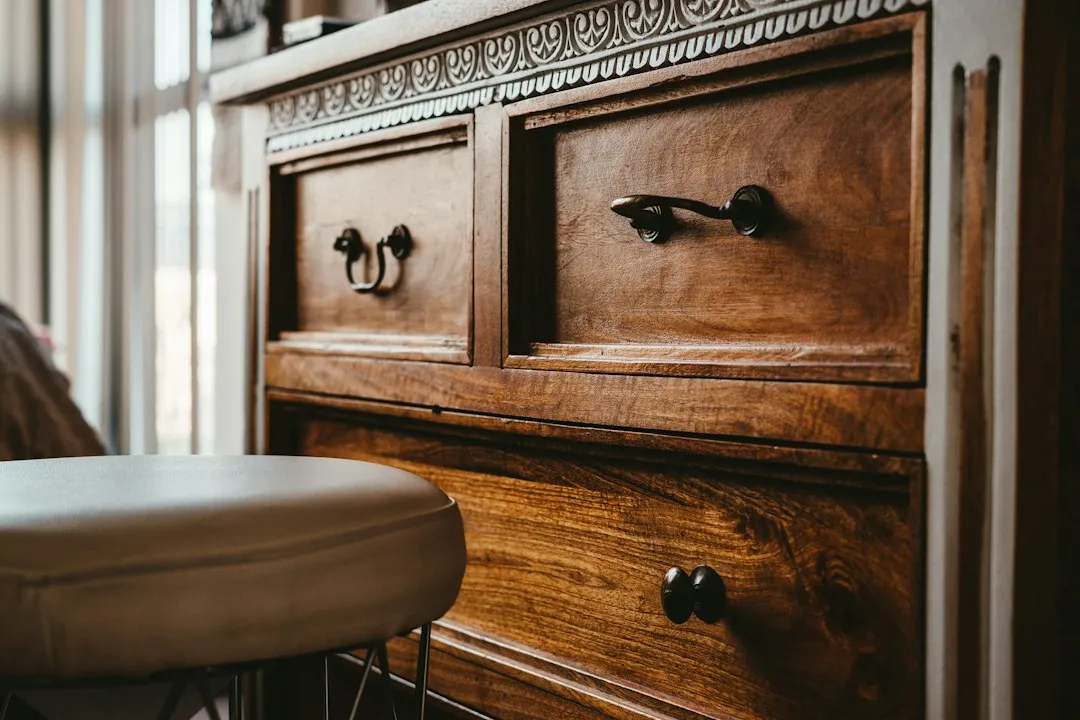
Dresser bottoms show what lies ahead for any piece. Cheap particleboard and glued paper skins bend when summer air turns damp. Real mortise and tenon wood joints stay tight – lasting 50 or 60 years without shaking loose. Small wood blocks screwed tight into inside frame corners prove real strength. Lab tests run by the USDA Forest Products Laboratory show wood joints locked by hand hold heavy weight far longer than metal screws dug into fake board pulp – proof that old methods work best. Hand-cut wood wins. Science backs that up.
Estate sales demand a sharp eye. Smart shoppers check our vintage furniture buying checklist – a handy tool – to make solid choices on pieces built to last 30 or 40 years. Readers also lean on our secondhand furniture sourcing guide to hunt down sturdy finds across local town markets – skipping overpriced trash along the way. Good plans save time. That really helps.
Evaluating Case Goods and Structural Joinery in Pre-Owned Pieces
Drawer checks must happen before talking about price. Cheap fiberboard drawer faces held by staples tend to crumble when pressed – a bad sign. Solid wood drawer fronts fitted with dovetails show the builder cared about hard daily use. Cars need room too – always check basic sizes before loading. Common items like the IKEA MALM 3-drawer chest – measuring 31 1/2″W x 18 7/8″D x 30 3/4″H – run into trouble when bottom boards bow down. Crooked tracks usually mean stripped screw holes – something wood glue cannot fix. Big red flag.
Drawer builds show what makers truly care about – build quality or cheap shortcuts. Furniture conservator Marcus Vance talks about this often: “When a maker invests the time into English or French dovetails rather than plastic brackets or staples, they are engineering an heirloom rather than a temporary convenience.” Hand work shows pride – pure and simple. Cheap staples fail.
Old timber breathes all year. Wood specialists at the National Park Service Historic Furniture Program point out how classic joints let boards shift through wet and dry seasons without cracking apart – keeping chests safe for generations. Moisture ruins cheap glue – every single time. Natural wood survives.
Hands tell the real story before cash trades hands:
– Push sideways against top corners – testing for weak dowels or a loose wobble.
– Check side tracks for stripped holes – seeing if center runners got bent out of shape.
– Make sure the back panel sits flat with screws – avoiding soft, taped cardboard that bows out.
– Pull every drawer all the way out – feeling for sticky stops or uneven drag.
– Peek underneath bottom frame corners – making sure glued wood blocks stay locked tight in place.
The Flat-Pack Pricing Trap
Sellers routinely list pre-assembled particleboard for near-retail prices, hoping you will pay a premium to avoid turning an Allen wrench. Before you offer cash for a modular cube, benchmark it against an IKEA KALLAX 2×2 shelf unit, which retails new for $49.99 at 30 1/8″ x 30 1/8″. If someone asks forty bucks for a scuffed, swollen version, let them keep it. You can find more information on IKEA products on their official website.
Flat-pack items use pressed wood fibers and resin adhesives, meaning they are engineered for a single assembly cycle. When previous owners move homes, mechanical racking stresses the pre-drilled cams. Over time, friction widens these anchor points, causing irreversible instability. Explore our curated thrift store home decor secrets to identify undervalued heritage brands instead of overpriced flat-pack items.
Before paying secondhand prices for mass-market goods, consider these economic rules:
1. Never pay more than thirty percent of original retail for used flat-pack furniture.
2. Calculate moving and fuel costs against the cost of home delivery for an unopened, unassembled unit.
3. Check for swollen laminate edges caused by spills, which indicate internal moisture rot that cannot be sanded down or re-clamped.
4. Verify whether replacement hardware is still readily supplied by the original manufacturer or discontinued entirely.
Upholstery Hazards and Hardware Flaws to Always Leave Behind
That vintage velvet armchair on the curb looks charming until you remember you cannot disinfect eight inches of thirty-year-old foam. Deep-seated upholstery, pre-owned mattresses, and down cushions are non-negotiable passes on the resale market. Degraded polyurethane foam traps biological dander, off-gases, and conceals bed bug infestations that cost thousands to eradicate. A thrifted bargain evaporates the minute an exterminator parks in your driveway.
According to the Environmental Protection Agency, bed bugs can be a significant problem in used furniture, hiding along seams, tufting creases, and interior frame joints. Furthermore, the Consumer Product Safety Commission warns that older foam cushioning often contains chemical flame retardants that degrade into hazardous airborne dust over decades of domestic use.

Here are the non-negotiable red flags to abandon immediately:
– Soft cushions that fail to bounce back quickly when compressed, indicating crumbly, powdered foam.
– Lingering smells of must, dampness, or heavy synthetic fragrances intended to mask underlying mold.
– Rust-caked internal coil springs that squeak or poke upward through batting layers.
– Stripped threaded inserts on removable legs that make the piece wobble uncontrollably under standard weight.