Decorating with Secondhand Furniture: A Guide to Finding Quality Pieces
When it comes to decorating your home, buying secondhand furniture can be a cost-effective and environmentally friendly option. However, it’s essential to know what to look for to avoid purchasing low-quality or damaged items. In this article, we’ll provide you with a comprehensive guide on how to spot solid joinery, inspect structural framing, and bypass costly hidden damage when shopping for secondhand furniture.

Our editorial team covers wellness, productivity, and modern living \u2014 backed by research, shaped by real experience. We believe good advice should read like a conversation, not a textbook.
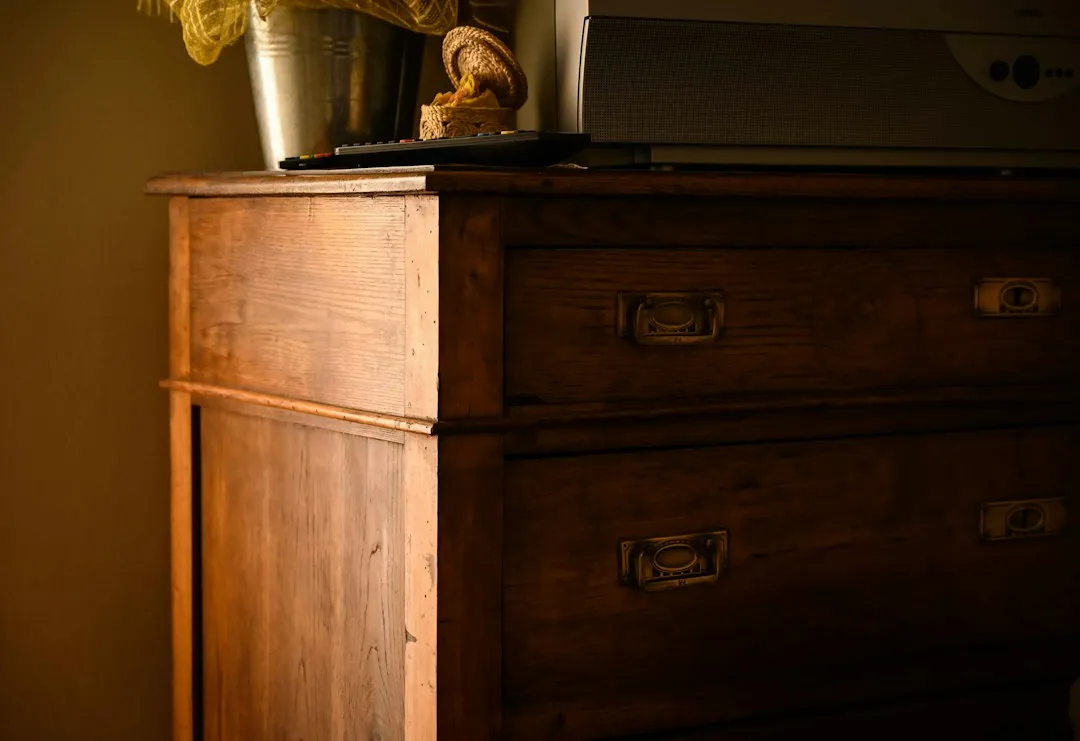
You can tell everything about a dresser’s future by looking underneath its chassis. Cheap particleboard and glued paper veneers sag under humidity, while authentic mortise and tenon joinery holds firm for generations. Look for screwed-in triangular corner blocks inside the frame corners to confirm true structural rigidity. Our vintage furniture buying checklist can help you make informed decisions when shopping for pre-owned pieces.
Evaluating Case Goods and Structural Joinery in Pre-Owned Pieces
Pull out every drawer to check the build quality. If the drawer face is stapled fiberboard that flakes when you press into it, walk away. Solid wood fronts with dovetails mean the piece was built to survive real life, not just look polite on a curb. Always check mechanical clearance before loading anything into your car. On standard pieces like the IKEA MALM 3-drawer chest (measuring 31 1/2″W x 18 7/8″D x 30 3/4″H), misaligned drawer slides or bowed bottom panels signal stripped screw anchors that wood glue won’t fix.
Run through this physical checklist before handing over cash:
– Push diagonally on the top corners to test for frame wobble or loose dowels.
– Inspect drawer glides for blown-out particleboard holes.
– Confirm the back panel is structurally rigid rather than taped, buckling cardboard.
The Flat-Pack Pricing Trap
Sellers routinely list pre-assembled particleboard for near-retail prices, hoping you’ll pay a premium to avoid turning an Allen wrench. Before you offer cash for a modular cube, benchmark it against an IKEA KALLAX 2×2 shelf unit, which retails new for $49.99 at 30 1/8″ x 30 1/8″. If someone asks forty bucks for a scuffed, swollen version, let them keep it. You can find more information on IKEA products on their official website.
Upholstery Hazards and Hardware Flaws to Always Leave Behind
That vintage velvet armchair on the curb looks charming until you remember you cannot disinfect eight inches of thirty-year-old foam. Deep-seated upholstery, pre-owned mattresses, and down cushions are non-negotiable passes on the resale market. Degraded polyurethane foam traps biological dander, off-gases, and conceals bed bug infestations that cost thousands to eradicate. A thrifted bargain evaporates the minute an exterminator parks in your driveway. According to the Environmental Protection Agency, bed bugs can be a significant problem in used furniture.
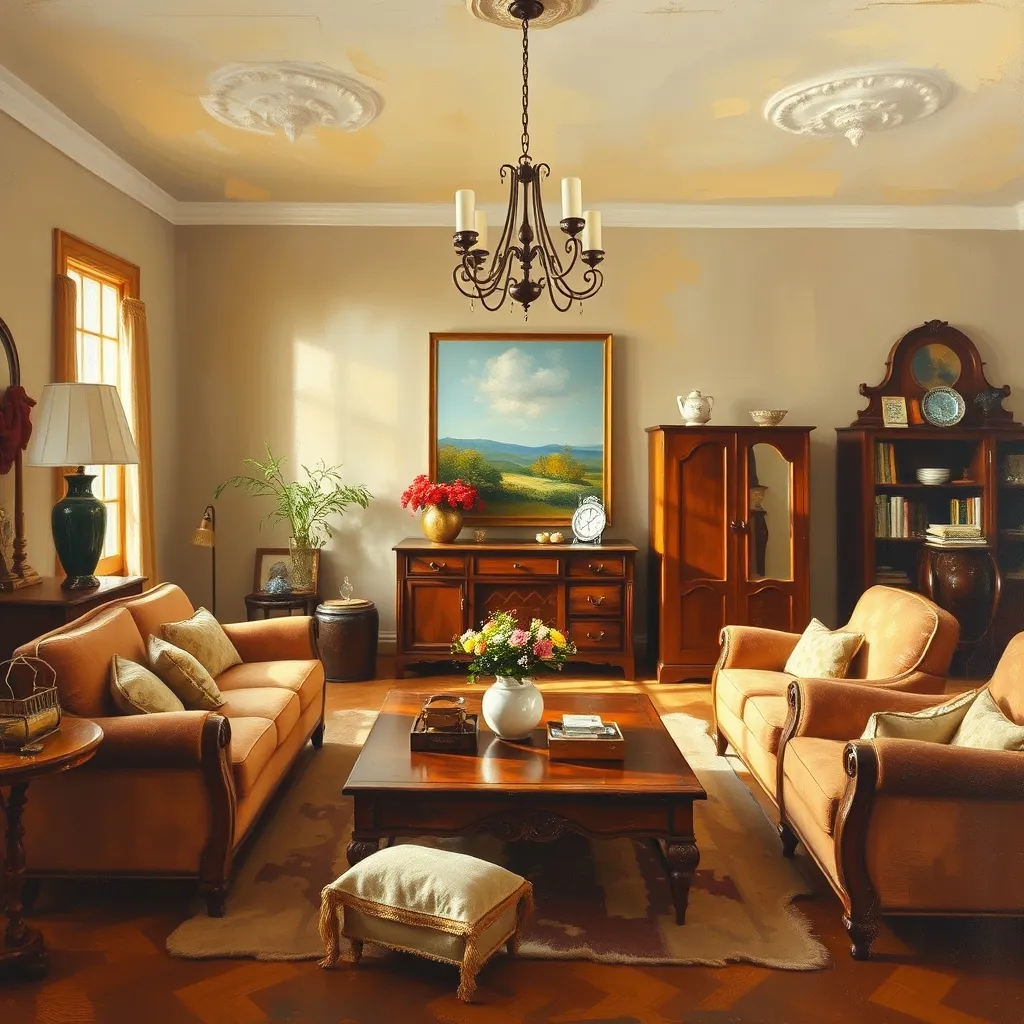
Spotting Quality When You Shop Decor Secondhand Furniture
Manufactured wood rarely survives multiple moves. When inspecting flat-pack pieces on resale apps, check the connection points before handing over cash. Disassembly shears compressed sawdust, turning precision-cut dowel holes and cam lock channels into structural chalk. Once a fastener blows out, wood glue will not save it. Before committing your weekend to hauling someone else’s wobbly laminate project, run the real numbers:
– Check pre-drilled hardware channels for blown-out edges that prevent a square, secure clamp.
– Reject frames with sagging spans; bowed particle board loses tensile strength permanently under sustained stress.
– Compare hauling costs and missing-hardware headaches against intact, factory-fresh retail alternatives. You can find more information on particle board on the Wikipedia page.
Building a Cohesive Interior Through Strategic Sourcing
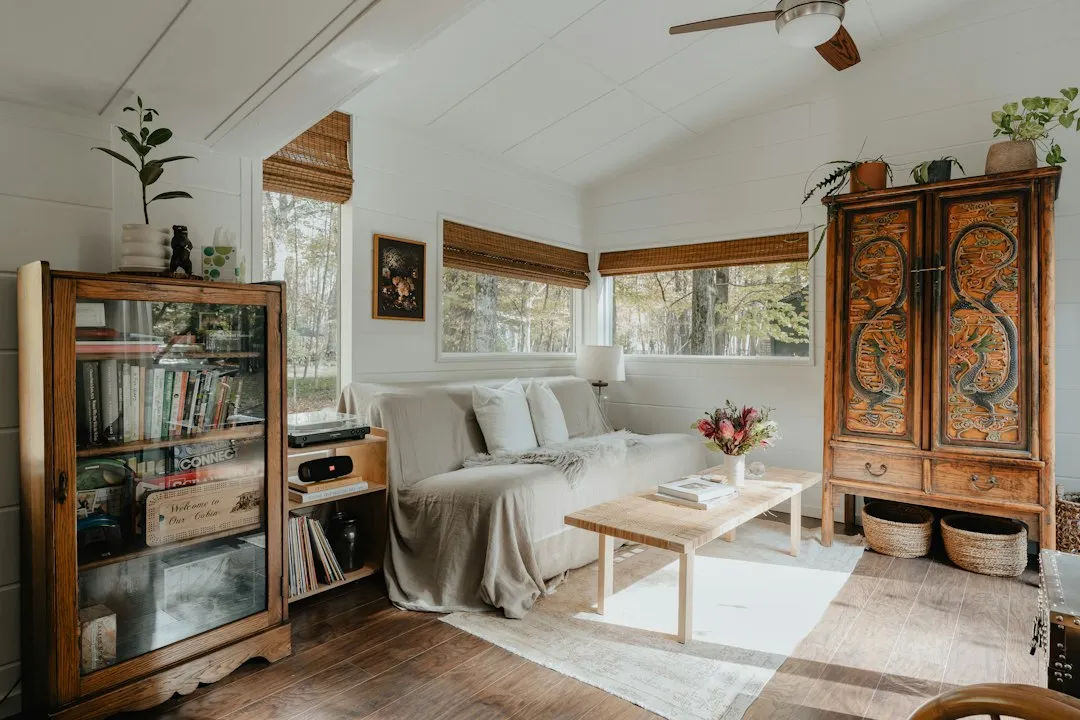
Sourcing decor secondhand furniture turns decorating into an intentional, room-by-room curation rather than a weekend panic buy. Focus on silhouettes with clean proportions, honest joinery, and durable surfaces that outlast passing decor trends. Blending vintage wood tones with clean modular staples creates visual warmth that flat-pack retail alone rarely achieves. Before purchasing, verify internal joinery and check for structural integrity to ensure every acquisition earns its place. For more tips on decorating with secondhand furniture, visit explorelifestyle.shop.
Frequently Asked Questions
How do you verify if a pre-owned wooden dresser is made of solid timber or veneer?
Inspect the edges and corners for thin layers of sheet material lifting away from substrate cores, which indicates veneer over particleboard. Solid wood dressers show continuous grain running across exposed board ends, and dovetail joinery along drawer boxes confirms solid build quality rather than stapled fiberboard.
Why is buying secondhand upholstered furniture considered a high risk?
Soft furnishings can harbor hidden pests like bedbugs, moisture mildew, and lingering biological odors trapped deep within internal foam cores. Because deep reupholstering often costs far more than buying new, always inspect soft goods with extreme caution or stick exclusively to solid wood case goods.
Ready to transform your space on a budget? Grab our vintage furniture buying checklist, measure your compact layout twice, and start hunting for heirloom-quality pieces that will make your small apartment feel uniquely yours. Visit explorelifestyle.shop for more tips and resources on decorating with secondhand furniture.