Build a Capsule Wardrobe That Works for You in 2026
Your closet should feel like a well‑curated library, not a chaotic mess. Most of us spend more time deciding what to binge‑watch than what to wear each morning. The truth is that the problem isn’t a lack of clothes—it’s the absence of a simple, repeatable system. Below you’ll find a complete, expert‑backed roadmap to creating a capsule wardrobe that adapts to work, weekend, and everything in‑between, while staying fresh for the rest of the year.

Our editorial team covers wellness, productivity, and modern living \u2014 backed by research, shaped by real experience. We believe good advice should read like a conversation, not a textbook.
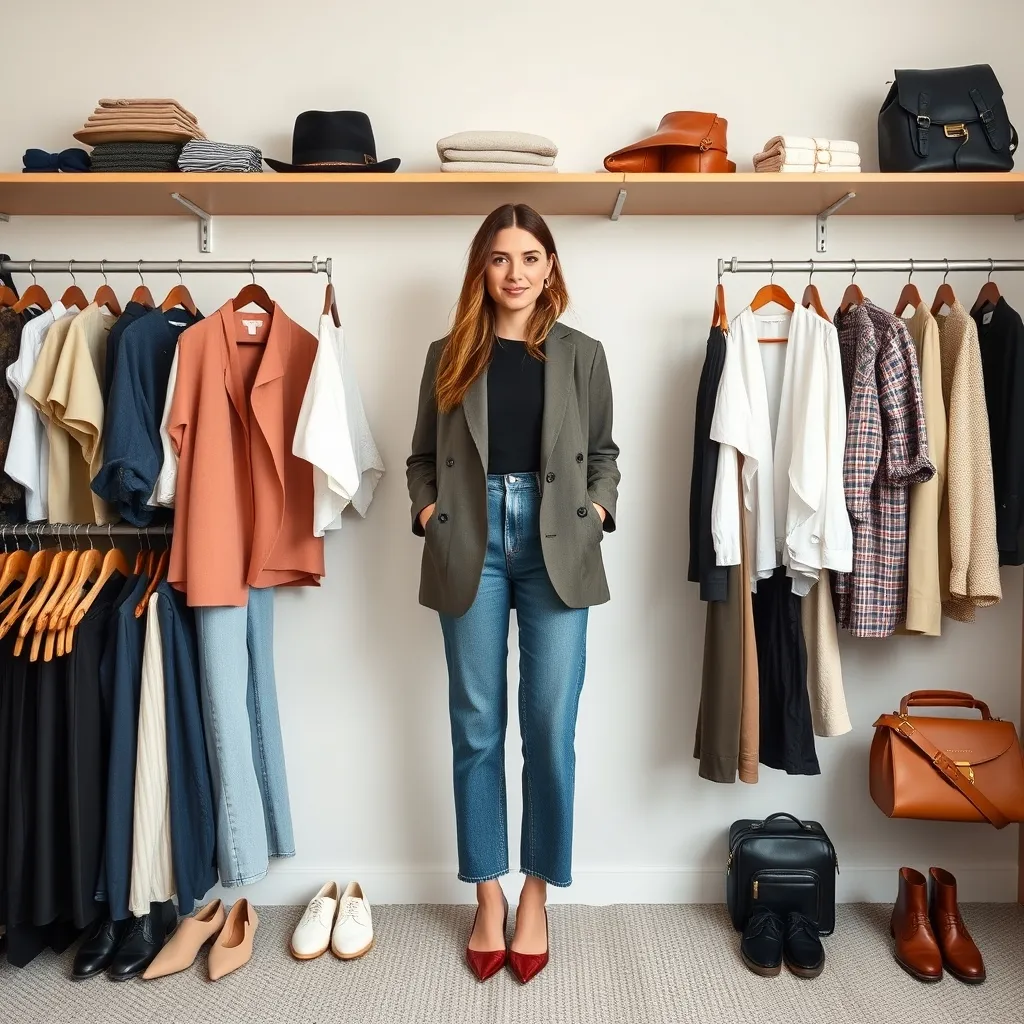
Why a Capsule Wardrobe Works
A capsule wardrobe cuts the noise down to the essentials, letting you focus on fit, quality, and personal style instead of endless trend‑chasing. Research from the Journal of Consumer Research shows that shoppers who limit their core pieces experience 30 % less decision fatigue and report higher confidence (see the study here). By anchoring your closet around neutral tones—navy, charcoal, cream, olive—you create a palette where every item pairs effortlessly. This coherence is the foundation of the “nothing‑to‑wear” solution many style influencers swear by.
Step‑by‑Step Guide to Building Your Core Wardrobe
1. Audit Your Current Closet
- Pull every garment out of the closet.
- Keep only items that fit well, feel good, and have been worn in the last 12 months.
- Donate or sell the rest.
Pro tip: Turn all hangers backward. After six months, the pieces still hanging the right way are the ones you truly love.
2. Define Your Lifestyle Needs
| Lifestyle | Core Bottoms | Core Tops | Third Piece |
|---|---|---|---|
| Office (9‑5) | Navy chinos, charcoal trousers | White button‑down, light knit | Tailored blazer |
| Creative / Remote | Dark denim, relaxed joggers | Graphic tee, relaxed shirt | Utility chore coat |
| Active weekends | Black leggings, performance pants | Moisture‑wicking tee, breathable polo | Lightweight bomber |
3. Assemble the Core Pieces
- 3 neutral bottoms – dark denim, navy chinos, black trousers.
- 5 versatile tops – crisp white tee, classic button‑down, soft knit, patterned shirt, casual polo.
- 1 “third‑piece” – blazer, chore coat, or utility jacket.
These 13 items form the backbone of your capsule and satisfy the 3‑outfit formulas below.
4. Master the 3 Outfit Formulas
- Professional Base – Tailored pants + button‑down + leather loafers.
- Weekend Casual – Dark jeans + white tee + chore coat.
- Elevated Comfort – Midi knit dress + denim jacket + clean white sneakers.
Each formula can be swapped with any of the core pieces, giving you 12+ outfit combinations with minimal effort.
5. Prioritize Fit Over Price
A $500 shirt that drags looks worse than a $50 tee that’s been tailored. If a piece feels off, visit a local tailor for a quick adjustment—usually under $30. Fit is the silent language of style; it tells the world you’ve paid attention to the details.
Styling Essentials: Color, Fit, and Accessories
Color Theory Made Simple
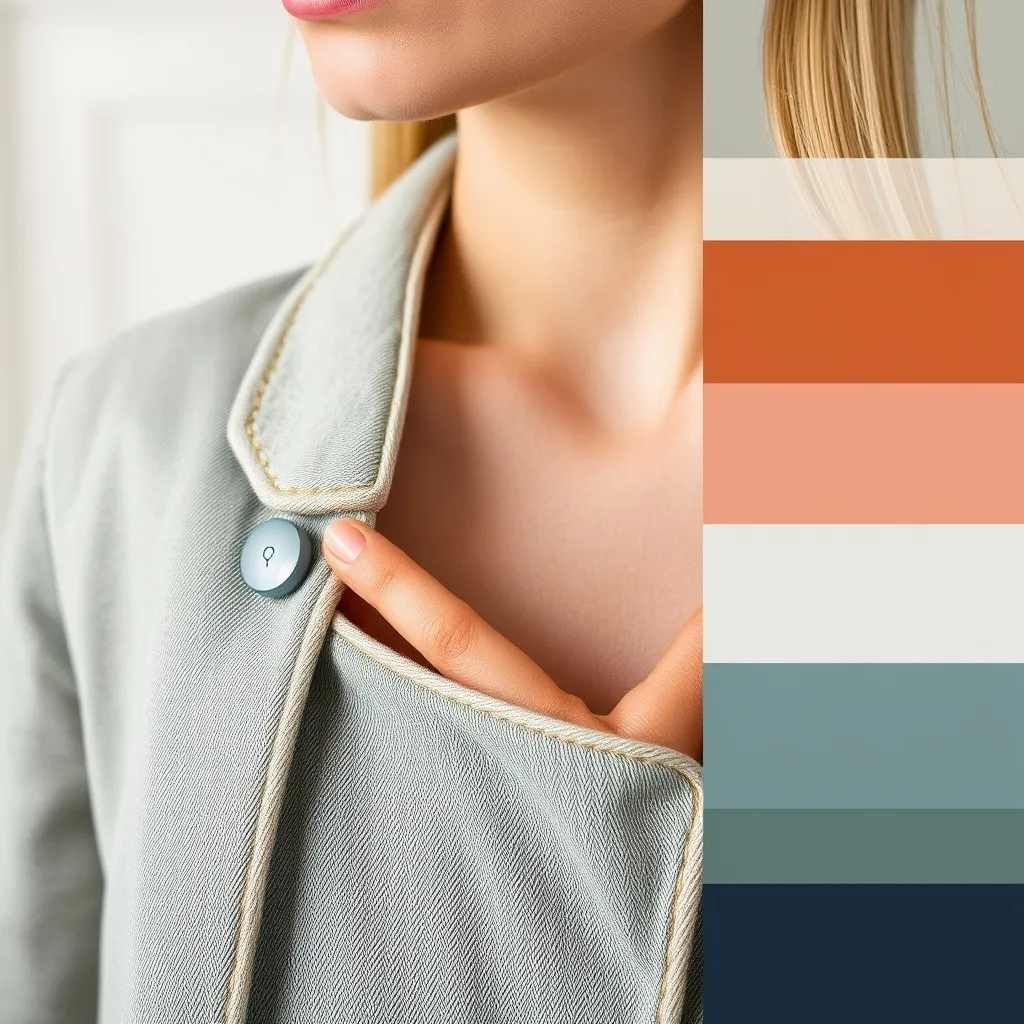
- The 3‑color rule: one dominant hue, one secondary shade, and one pop of accent.
- Stick to neutral bases (navy, charcoal) and sprinkle olive or burgundy for interest.
Fit Fundamentals
- Shoulders: seam aligns with the edge of your shoulder.
- Sleeves: end at the wrist bone for shirts, a finger’s length for jackets.
- Trousers: break at the shoe, not the floor.
Intentional Accessories
- Belt – leather, matches shoe color.
- Watch – classic, minimal dial.
- Sneakers – white leather, kept pristine.
“Accessories are the punctuation marks of an outfit,” says stylist Maya Patel of Glamour Institute. “Leave out the clutter and you’ll let your clothing speak louder.”
Accessory Checklist
- Leather belt (1)
- Classic watch (1)
- White low‑top sneakers (1)
- Simple silver or gold cufflinks (optional)
Seasonal Rotation and Maintenance
- Quarterly Closet Purge – Every three months, store out‑of‑season items in vacuum‑sealed bags.
- Fabric Care – Wash cotton and linen in cold water, air‑dry knits, and use a cedar hanger for suits.
- Repair Routine – Check seams and zippers monthly; a quick stitch can extend a garment’s life by 30 %.
By rotating your pieces, you keep the closet lean, fresh, and ready for any climate. This habit also reduces the temptation to buy “just one more thing” that never truly belongs.
Personalizing Your Signature Look
- Identify an Anchor Piece – Maybe a high‑waist jean, a structured blazer, or a midi knit dress that makes you feel unstoppable.
- Build Around It – Pair your anchor with the neutral base and use accessories to inject personality.
- Add a Signature Detail – A subtle pattern, an unexpected color pop, or a unique texture (think suede vs. leather).
“Your style is the sum of the choices you make daily, not the occasional splurge,” notes fashion historian Dr. Lena Ortiz (University of Fashion Studies).
Quick Personalization Checklist
- Anchor item (1)
- Complementary neutral (2)
- Accent color piece (1)
- Statement accessory (1)
Getting Started: Your First 24 Hours
- Choose one hero piece from your newly audited closet tomorrow morning.
- Build the outfit using the Professional Base formula.
- Walk the day confident; if it feels right, you’ve found your starting point.
Repeat this ritual for three consecutive days, each time selecting a different hero item. This simple exercise removes morning stress and sets a clear path for longer‑term style evolution.
Foundations of an intentional wardrobe
These are affiliate links to Amazon. We may earn a small commission at no extra cost to you. We only suggest categories we have actually researched.
Frequently Asked Questions
Q: How many items should I own in a capsule wardrobe?
A: There’s no magic number, but 20‑30 versatile pieces that mix‑and‑match well is a solid baseline.
Q: Can I still follow trends?
A: Absolutely—limit trend pieces to accessories or one seasonal accent so your core remains timeless.
Q: What if I’m on a tight budget?
A: Focus on quality basics from affordable brands (e.g., Uniqlo, Everlane). Tailoring cheap items can make them look high‑end.
Q: How often should I reassess my capsule?
A: Every six months or after a major life change (new job, move, climate shift).
Affiliate disclosure: Some links in this article are affiliate links. Explore Lifestyle is a participant in the Amazon Services LLC Associates Program and earns a commission from qualifying purchases at no additional cost to you. We only recommend products we have researched. See our full disclosure policy.
Core Shopping Links
Additional Resources
- Capsule wardrobe checklist: https://www.realsimple.com/beauty-fashion/clothing/wardrobe-basics/wardrobe-basics-checklist
- Styling guide for beginners: https://www.amazon.com/How-Dress-Complete-Style-Occasion/dp/0007299001?tag=explorelifest-20
- Third‑piece rule insights: https://explorelifestyle.shop/your-pairing-guide-what-a-stylist-says-actually-works-in-2026/
- Healthy habits for a better lifestyle: https://explorelifestyle.shop/healthy-eating-habits-for-a-better-lifestyle/
Meta Description: