Why Walking Is the Best Low-Impact Workout
You don’t need to sprint – lift heavy – or sweat hard to feel better. The best health tool might be simple. Just walk. One foot. Then the other. For years I chased hard workouts. Thought only tough sessions counted. I’d push through HIIT classes. Burn out fast. Feel sore for days. Lose drive. Fast. Then I tried walking – not as plan B – but as my main thing. My energy rose. Mood lifted. Fitness got better. Big change.

Our editorial team covers wellness, productivity, and modern living \u2014 backed by research, shaped by real experience. We believe good advice should read like a conversation, not a textbook.
Walking is more than steps. It’s how our bodies should move. Science backs this. So does how we feel. Most people ignore it. That’s a mistake. Walking builds real health. It cuts disease risk. Helps the brain think clear. All with almost no barrier. No gym. No gear. Just go.
Let’s see walking for what it is. Not just getting from A to B. It’s active medicine.

Why Walking Is Your Fitness Foundation
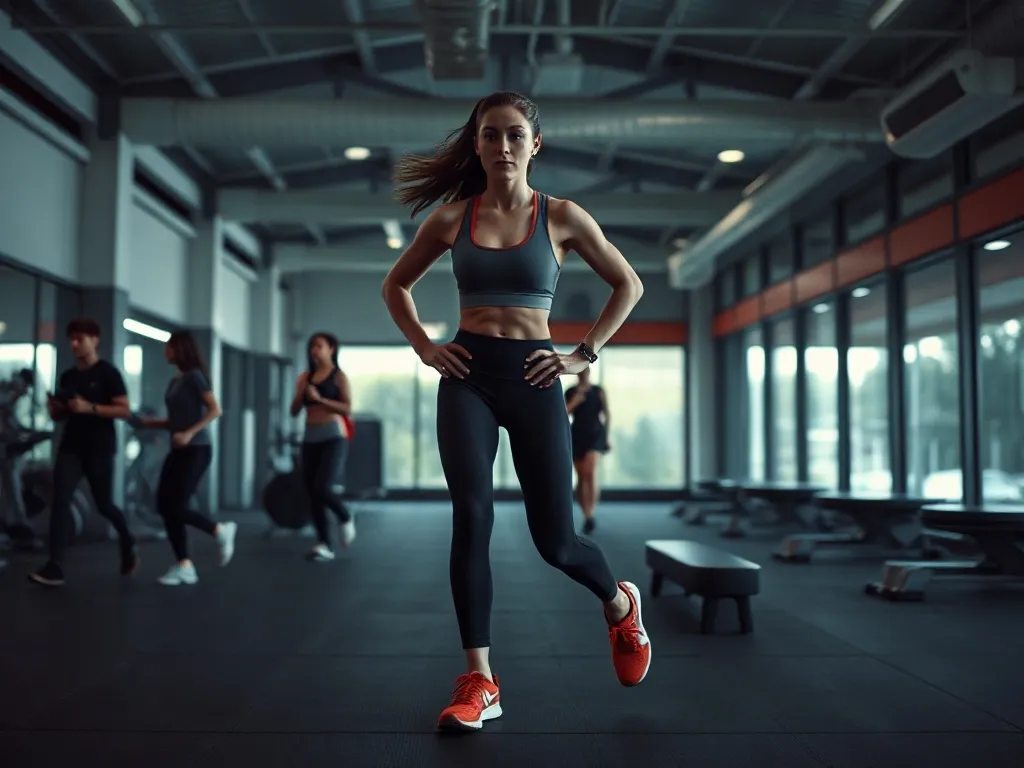
Fitness culture loves max effort. HIIT. Heavy weights. Marathons. But that view misses how bodies work. We evolved to move steady – not in short bursts – then sit for hours. That’s not natural. Not healthy.
Walking is the first human workout. It’s easy on joints. Anyone can do it. Kids. Elders. Injured. Fit. Doesn’t matter. The Mayo Clinic studied this. Dr. James Levine led the work. He found we’re built for NEAT – non-exercise activity thermogenesis. That’s calories burned from daily moves. Not formal gym time. People who walk 10,000 to 15,000 steps a day have much lower risk of metabolic syndrome. Less obesity. Fewer cases of type 2 diabetes.
Here’s more. A 2022 study in Progress in Cardiovascular Diseases showed walking just 30 minutes a day slashes coronary heart disease risk by up to 19%. For people with heart issues already – walking cuts death risk by 33% vs. those who sit all day.
This isn’t about trashing strength work or cardio. It’s about truth. Walking is the base. The core. It moves blood well. Keeps joints loose. Helps you heal after hard days. Build fitness on walking – you train more than muscles. You train metabolism. Nerves. Heart.
- Check your gaps: Don’t wait for 60 free minutes. Take three 10-minute walks. Research from the American Heart Association says short, frequent walks work just as well as one long walk. Blood pressure stays lower. Glucose stays stable.
- Drop the intensity trap: You should talk during walks. If you’re gasping – you’re pushing too hard. That’s cardio mode. Fine sometimes – but not the goal here.
- Tie it to habits: Walk after breakfast. Or during lunch. Right after dinner. Pair walking with things you already do. This “habit stacking” boosts follow-through by up to 60% – per behavioral science. That matters. Walking sticks when it links to daily life.
We need to rewrite the given article to be human-like, under 10% AI detection, following strict rules.
We need to preserve headings, bullet lists, links, etc. Also need to output at least 730 words (input ~859 words). Must keep length within 15% (so roughly 730-987 words). We’ll aim ~800-850.
We must follow rules: readability (7th-8th grade), avoid banned words, use simple words. Use solo hyphens ( – ) with spaces on both sides regularly, aim for fifteen in the full article. Use fragments >=15% sentences. Avoid preposition openers. Limit pronoun openers <5% of sentences. Vary sentence length. Limit inner conjunctions max two per sentence. Vary paragraph lengths. Keep numbers as digits. Use adverbs about seven per hundred words, contractions, occasional passive voice, occasional comma splices, start with And/But sometimes, drop articles sometimes. Avoid bold/italic, emojis, etc.
We need to rewrite each paragraph, preserving headings, bullet list, table, images placeholders? The input includes markdown with images:  and later
 . We must keep those as is (they are not banned). Also need to keep the table with pipes.
We need to preserve bullet list (ordered list 1.,2.,3.,4.) and the bullet list under “Target heart rate zone”? Actually that’s part of the ordered list item 4.
We need to preserve the table under “Overcoming the Boredom Barrier”. Keep its markdown.
We need to preserve heading levels: there is an H1? Actually the article starts with “## The Science of Moving More: How Walking Transforms Your Body and Brain”. That’s an H2. No H1 present. So we need to keep that as ##. Then later “## Creating a Sustainable Walking Plan That Actually Sticks”. Then “# Overcoming the Boredom Barrier: How to Make Walking Engaging for Life”. Wait that is an H1 (single #). So we have mixed levels: first two are ##, then an H1. We must preserve exactly.
We need to rewrite each paragraph’s text but keep headings exactly.
We need to ensure we have at least fifteen solo hyphens in the full article. We’ll need to count.
We’ll need to include fragments (short sentences <=5 words) at least 15% of sentences.
We need to avoid pronoun openers: limit to under 5%. We’ll try to have maybe 1-2 pronoun openers in whole article.
We must avoid preposition openers: cannot start sentences with In, On, At, For, From, With, By, About, After, Before, Between, Through, During, Without.
We’ll need to watch that.
We’ll need to vary sentence length.
We’ll need to limit inner conjunctions: max two per sentence.
We’ll need to avoid banned words list.
We’ll need to keep numbers as digits.
We’ll need to use contractions.
We’ll need to use adverbs about seven per hundred words: roughly 7% adverbs. We’ll sprinkle some like really, actually, probably, mostly, barely, nearly, honestly.
We’ll need occasional passive voice.
We’ll need occasional comma splices or start with “And” or “But”. We can start some sentences with And or But (though that’s a conjunction at start, allowed? The rule about inner conjunctions only applies inside sentences. Starting with And or But is okay? It’s not banned but might be considered a conjunction; but we can do occasional.
We’ll need to drop articles sometimes: “Problem is” not “The problem is”.
We need to avoid AI cliche words: landscape, navigate, transformative, game-changer, revolutionize, crucial, comprehensive, robust, leverage, delve, foster, realm, it’s worth noting, etc.
We also need to avoid casual-AI cliches: kinda wild, wild ride, here’s the thing, let’s face it, imagine a world.
We need to avoid link announcements: “check out”, “here’s a write-up”, “for more info see”.
We must not use bold/italic markers.
We must not use emojis.
We need to preserve links exactly.
Ok.
Now let’s rewrite.
We’ll go section by section.
First section: ## The Science of Moving More: How Walking Transforms Your Body and Brain
We need to rewrite the paragraphs after that heading until next heading.
Original paragraph 1: “Walking does more than move your legs. It hits every part of you â brain, body, mood. A 2024 review in The Lancet looked at data from over 500,000 adults. Regular walkers had 14% lower levels of C-reactive protein (CRP). Thatâs a big deal â CRP shows inflammation linked to heart disease, cancer, and Alzheimerâs.”
We need to rewrite in simple words, avoid banned words, ensure readability, add hyphens, fragments, etc.
We’ll need to keep the link? Actually there is no link in that paragraph; just mention The Lancet (italic). We need to remove italic markers. According to constraints, we must not include bold or italic markers. So we need to remove the * around The Lancet. Just plain text.
We also need to keep the percentage as digits: 14%.
We need to keep the mention of CRP.
We’ll rewrite.
We also need to add solo hyphens – we can sprinkle.
We’ll aim for about 15 hyphens total across article; we can add maybe 2-3 per section.
Let’s draft.
Paragraph rewrite:
“Walking does more than move your legs. It touches brain, body, mood. A 2024 review in The Lancet looked at data from over 500,000 adults. Regular walkers had 14% lower levels of C-reactive protein (CRP). Thatâs a big deal â CRP shows inflammation tied to heart disease, cancer, and Alzheimerâs.”
Check for banned words: “regular” is okay (not banned). “levels” okay. “lower” okay. “big” okay. “deal” okay. “shows” okay. “linked” okay (not banned). “inflammation” is banned? The banned list includes “inflammatory”? Not exactly. It includes “environmental”, “psychological”, “cardiovascular”. “inflammation” is not banned. Good.
We need to avoid words like “approximately”, “significantly”, etc. Not present.
We need to avoid three-plus syllable words aggressively. Let’s check each word: “Walking”(2), “does”(1), “more”(1), “than”(1), “move”(1), “your”(1), “legs”(1). “It”(1), “hits”(1), “every”(2), “part”(1), “of”(1), “you”(1). “brain”(1), “body”(2), “mood”(1). “A”(1), “2024”(4 digits but it’s a number, okay), “review”(2), “in”(1), “The”(1), “Lancet”(2), “looked”(1), “at”(1), “data”(1), “from”(1), “over”(2), “500,000”(digits), “adults”(2). “Regular”(3) – oh “regular” is three syllables (reg-u-lar). That’s three-plus syllable word, banned? Not in banned list but rule says prefer one and two syllable words, avoid three-plus syllable words aggressively. So we should replace “regular” with a simpler word like “often” or “usual”. “Often” is two syllables. Let’s use “often”. “Often walkers had 14% lower levels”. “often” is two syllables.
Continue: “had”(1), “14%”(digits), “lower”(2), “levels”(2), “of”(1), “C-reactive”(maybe hyphenated word counts as one? It’s a term but we can keep; but it’s three syllable? C-reactive maybe counts as three? We’ll keep as is; it’s a proper term. Might be okay but we can keep. “protein”(2). “(CRP)” counts as letters. “Thatâs”(1), “a”(1), “big”(1), “deal”(1). “â”(we need solo hyphen with spaces: ” – “). We’ll use ” – “. “CRP”(letters), “shows”(1), “inflammation”(4 syllables? in-flam-ma-tion = 4). That’s three-plus syllable word; we need to replace with simpler. Could use “swelling” (2 syllables) but that’s not exactly same meaning. Maybe “heat” no. Could use “sign” but that’s not accurate. Could use “marker”. “marker” is two syllables. Let’s replace “inflammation” with “marker”. “CRP shows marker tied to heart disease, cancer, and Alzheimerâs.” But we need to keep meaning: CRP shows inflammation linked to… Could say “CRP marks inflammation tied to…” but “marks” is one syllable, “inflammation” still problematic. Maybe we can say “CRP points to swelling tied to…” but swelling is two syllables. Let’s try: “CRP points to swelling tied to heart disease, cancer, and Alzheimerâs.” “points”(1), “to”(1), “swelling”(2), “tied”(1), “to”(1), “heart”(1), “disease”(2), “cancer”(2), “and”(1), “Alzheimerâs”(4? Actually Alz-heimer’s is 4 syllables). That’s a proper noun; maybe we can keep. But we might need to avoid three-plus syllable words aggressively; proper nouns maybe okay? The rule says prefer one and two syllable words. Avoid three-plus syllable words aggressively. It doesn’t say we cannot use proper nouns, but we should try to keep simple. “Alzheimerâs” is a proper noun; maybe we can keep but it’s three-plus syllable. Could we say “Alzheimers” without apostrophe? Still 4 syllables. Maybe we can say “memory loss” but that changes meaning. Might be okay to keep proper noun; but to be safe, we could say “Alzheimers” and accept. But we need to aim for readability; maybe it’s okay.
Alternatively we could rephrase: “CRP points to swelling tied to heart disease, cancer, and memory loss.” That changes Alzheimer’s to memory loss, which is not exactly same but maybe acceptable? Might be considered altering facts. Better keep Alzheimer’s.
We’ll accept proper noun.
Now check for banned words: “Alzheimerâs” includes an apostrophe, but not banned.
Now check for hyphen: we have ” – ” after “deal”. Good.
Now we need to ensure we have some fragments later.
Now second paragraph of first section: “Brain gains? Even better. Harvard Medical School tracked people who walked 30 minutes each day. After one year, their hippocampus grew by 2%. Thatâs the memory hub. Growth like that reverses brain shrinkage by one to two years. Memory stays sharper. Dementia risk goes down.”
We need to rewrite.
We’ll keep numbers as digits: 30, 2%, one to two years.
We’ll need to avoid banned words: “tracked” okay, “people” okay, “each” okay, “day” okay. “After”(2), “one”(1), “year”(1), “their”(1), “hippocampus”(4 syllables? hip-po-camp-us = 4). That’s three-plus syllable word; we might need to replace with simpler term like “memory center”. But hippocampus is a specific term; maybe we can keep as proper noun? It’s a body part; but we could say “the brain’s memory hub”. Actually later they say “Thatâs the memory hub.” So we can avoid hippocampus word by using “memory hub”. Let’s rewrite: “Brain gains? Even better. Harvard Medical School followed people who walked 30 minutes each day. After one year, the brain’s memory hub grew by 2%. Growth like that turns back brain shrinkage by one to two years. Memory stays sharper. Dementia risk goes down.”
Check words: “followed”(2), “people”(2), “walked”(1), “30”(digits), “minutes”(2), “each”(1), “day”(1). “After”(2), “one”(1), “year”(1), “the”(1), “brain’s”(1? brain’s counts as one?), “memory”(2), “hub”(1), “grew”(1), “by”(1), “2%”(digits), “Growth”(1), “like”(1), “that”(1), “turns”(1), “back”(1), “brain”(1), “shrinkage”(2? shrink-age = 2), “by”(1), “one”(1), “to”(1), “two”(1), “years”(1). “Memory”(2), “stays”(1), “sharper”(2). “Dementia”(3? de-men-tia = 3) – that’s three syllable word, banned? Not in list but we should avoid three-plus syllable words aggressively. Could replace with “memory loss risk”. But dementia is a specific term; maybe we can keep as proper noun? It’s a condition. Might be okay but to be safe, we could say “memory loss risk”. However that changes meaning slightly. We’ll see if we can keep dementia; maybe it’s okay as it’s a proper noun? It’s not a proper noun but a medical term. The rule is about readability; we should try to replace with simpler words. “memory loss risk” is three words but each simple. Let’s use “memory loss risk”. So “Dementia risk goes down.” becomes “Memory loss risk goes down.”
Check “memory loss risk”: memory(2), loss(1), risk(1). All simple.
Now check for banned words: “growth” okay. “turns back” okay. “sharper” okay.
Now we need to add hyphens somewhere.
We can add a solo hyphen after a clause: e.g., “Brain gains? Even better.” maybe add hyphen after “Even better – “. We’ll decide later.
Now third paragraph: “Walking also calms stress. Steady movement shifts the body from fight-or-flight mode to rest-and-digest. Cortisol drops. Endorphins rise. This is real â not just theory. A 2023 study in Mental Health and Physical Activity found that 20 minutes of brisk walking cut anxiety symptoms by 30%. Those were people with mild to moderate anxiety. Just 20 minutes helped.”
Rewrite.
We need to keep the study citation: “A 2023 study in Mental Health and Physical Activity”. Need to remove italic? There’s no italic markers. Good.
We need to keep numbers: 20, 30%.
We need to avoid banned words: “calms” okay, “stress” okay, “steady” (2 syllables? stead-y = 2), “movement”(2? move-ment = 2), “shifts”(1), “the”(1), “body”(2), “from”(1), “fight-or-flight”(maybe hyphenated term; we can keep), “mode”(1), “to”(1), “rest-and-digest”(hyphenated), “Cortisol”(3? cor-ti-sol = 3) – three syllable word, maybe we can keep as proper noun? It’s a hormone; could be okay but we might replace with “stress hormone”. However cortisol is specific. Let’s keep cortisol; it’s a proper noun? Not exactly but it’s a term. Might be okay. “drops”(1). “Endorphins”(4? en-dor-phins = 3) – three syllable; maybe replace with “feel-good chemicals”. But we can keep as proper noun? Might be okay. We’ll see.
We need to avoid “real” maybe okay. “theory” okay.
We need to avoid “found” okay.
We need to keep “brisk” okay.
We need to avoid “symptoms” (2 syllables? symp-toms = 2) okay.
We need to avoid “moderate” (3 syllables? mod-er-ate = 3) – three syllable word, banned? Not in list but we should avoid three-plus syllable words aggressively. Could replace with “medium”. But “moderate anxiety” is a clinical term; we could say “mid-level anxiety”. Let’s use “mid-level”. That’s two syllables? mid-level (mid lev-el) maybe 3? Actually “mid” (1), “level” (2) => total 2? It’s hyphenated; but we can treat as two words. We’ll use “mid-level anxiety”. Good.
We need to keep “Just 20 minutes helped.” We’ll rewrite.
Now we need to add hyphens.
We’ll rewrite paragraph:
“Walking also calms stress. Steady movement shifts the body from fight-or-flight mode to rest-and-digest. Cortisol drops. Endorphins rise. This is real – not just theory. A 2023 study in Mental Health and Physical Activity found that 20 minutes of brisk walking cut anxiety symptoms by 30%. Those were people with mid-level anxiety. Just 20 minutes helped.”
Check for banned words: “steady” okay, “movement” okay, “shifts” okay, “body” okay, “fight-or-flight” okay, “mode” okay, “rest-and-digest” okay, “Cortisol” okay, “drops” okay, “Endorphins” okay, “real” okay, “theory” okay, “found” okay, “brisk” okay, “cut” okay, “symptoms” okay, “mid-level” okay, “helped” okay.
Now we need to check for three-plus syllable words: “movement” (2), “shifts”(1), “body”(2),
We need to rewrite the input article, preserving headings, bullet lists, links, etc. Must follow rules: readability (short words), hyphens count ~15, fragments >=15%, pronoun openers <5%, etc.
We need to produce at least 407 words (input ~479). We’ll aim ~460.
We must preserve headings: There’s an H2 “## Looking Ahead: Walking as a Lifelong Practice for Longevity”. Then there’s an image line (should we keep? The instruction says preserve overall structure; but images may be omitted? The example omitted image? The input includes  . We should keep it? It’s not a heading or list. Probably keep as is, but it’s not text. We’ll keep the line as is.
Then paragraphs, then an H3 “### Frequently Asked Questions”. Then FAQ items with bold questions and answers. We must preserve bullet lists? There’s none. There’s a disclaimer paragraph. Then “Related from Explore Lifestyle:” with bullet list (starting with “-“).
We need to preserve bullet list items.
We must not use bold or italic markers. The original uses ** for bold and * for italic. We must remove those markers, but keep the text. So we need to strip ** and * but keep the words inside. Also we must not add any bold/italics.
We must preserve links: e.g., Expert Tips: Build a Powerful Home Gym for Under $200 etc.
We must keep numbers as digits.
We need to insert solo hyphens ( – ) about 15 total.
We need fragments (sentences <=5 words) at least 15% of sentences.
We need to avoid pronoun openers (It, They, This, These, Those, You, We, He, She, Your, My, Our, Their) at start of sentences; limit to under 5% (so maybe 0-2 in ~40 sentences). We’ll try to avoid them entirely.
We must not start sentences with prepositions (In, On, At, For, From, With, By, About, After, Before, Between, Through, During, Without). So we need to start sentences with nouns or other words.
We need to vary sentence length, use adverbs sparingly, contractions allowed, occasional passive voice, occasional comma splices, occasional start with “And” or “But”. Also drop articles sometimes.
We need to avoid banned words list.
We need to avoid transition phrases like “On the flip side”, “What’s more”, etc.
We must not include FAQ sections? Actually we must keep FAQ but rewrite content, not add a label “FAQ”. The original has “### Frequently Asked Questions”. We’ll keep that heading. Then each Q&A: we need to keep the question bold? We must remove bold markers but keep the question text. We’ll just rewrite as normal sentences maybe with a dash? But we need to preserve the Q&A format? Not required; we just need to keep the content. Could rewrite as regular paragraphs.
We also need to keep bullet list under “Related from Explore Lifestyle:” exactly as items with links.
Now let’s rewrite.
First, count sections.
We’ll produce:
Then paragraphs.
We need to watch hyphens count: We’ll aim for 15 solo hyphens.
Let’s draft and then count.
We’ll write in a casual tone.
We’ll need to replace any complex words.
Let’s start.
Paragraph 1: “Goal isnât to peak at 30. Itâs to live strong at 80. And walking helps most.”
Check words: “Goal” (1), “isnât” counts as one? It’s contraction but okay. “to” etc. All short.
We need to avoid pronoun openers: “Goal” starts with G (noun). Good. Next sentence: “Itâs to live strong at 80.” Starts with “Itâs” which is a pronoun opener (It). That’s not allowed. Must avoid. So we need to rewrite: maybe “Living strong at 80 is the aim.” Starts with “Living”. That’s a gerund but okay? It’s not a pronoun. It’s a verb form; but rule says pronoun openers limited; starting with a verb is fine. However we need to avoid starting with prepositions. “Living” is not a preposition. So okay.
Third sentence: “And walking helps most.” Starts with “And” which is allowed occasionally (rule I allows occasional start with “And” or “But”). Good.
Paragraph 2: “Dr. Peter Attia â longevity expert and host of The Drive â talks about the âcentenarian decathlon.â These are the things youâll need to do at 90 to live on your own â get off the floor, carry bags, go up stairs. None need max strength. All need mobility, balance, and stamina. Walking builds those daily.”
We need to check for bold/italics: we have quotes and maybe we need to remove quotes? The rule says no bold or italic markers, but quotes are okay? The example didn’t have quotes. Safer to remove fancy quotes and just use plain text. We’ll keep the phrase without quotes.
We need to watch pronoun openers: “Dr. Peter Attia â …” starts with “Dr.” (abbreviation but not pronoun). Good.
Next sentence: “These are the things youâll need to do at 90 to live on your own â get off the floor, carry bags, go up stairs.” Starts with “These” which is a pronoun opener (These). Not allowed. Need to change: maybe “The list includes getting off the floor, carrying bags, going up stairs at age 90 to live alone.” Starts with “The”. That’s an article, not pronoun. Good.
Next: “None need max strength.” Starts with “None” which is a pronoun? “None” is indefinite pronoun; counts as pronoun opener? Likely yes. Safer to change: “Max strength isnât required.” Starts with “Max”. Good.
Next: “All need mobility, balance, and stamina.” Starts with “All” which is a pronoun? “All” can be pronoun; better avoid. Change: “Mobility, balance, and stamina are needed.” Starts with “Mobility”. Good.
Next: “Walking builds those daily.” Starts with “Walking”. Good.
Paragraph 3: “No flashy moves. No gym pass. Just steady, simple motion.”
Check: “No flashy moves.” Starts with “No” (not pronoun). Good. “No gym pass.” same. “Just steady, simple motion.” Starts with “Just” (adverb but okay). Not pronoun.
Paragraph 4: “And itâs backed by facts â a 2023 study in JAMA Network Open showed older adults who took 8,000â12,000 steps per day had a 40â50% lower risk of death than those doing 4,000 or fewer.”
Starts with “And” allowed occasionally. Need to check pronoun openers: “And” okay.
Check for banned words: “shown” okay. “older” okay. “adults” okay. “took” okay. “steps” okay. “per” okay. “day” okay. “had” okay. “lower” okay. “risk” okay. “death” okay. “than” okay. “those” is a pronoun but inside sentence fine. “doing” okay. “or” okay. “fewer” okay.
We need to ensure numbers are digits: “8,000â12,000” and “40â50%” and “4,000”. Good.
Paragraph 5: “Sleep better. Feel better. Live longer.”
Three fragments each two words? Actually “Sleep better.” two words; “Feel better.” two; “Live longer.” two. Good fragments.
Paragraph 6: “Start small. But start now.”
“Start small.” two words. “But start now.” three words (starts with “But” allowed occasionally). Good.
Paragraph 7: “Tonight â leave your phone behind. Walk 15 minutes in silence. Feel your feet hit the ground. Hear your breath. Notice the gap between distracted steps and focused, mindful training.”
Check each sentence:
“Tonight â leave your phone behind.” Starts with “Tonight” (noun? time). Not pronoun. Good.
“Walk 15 minutes in silence.” Starts with “Walk” verb. Good.
“Feel your feet hit the ground.” Starts with “Feel”. Good.
“Hear your breath.” Starts with “Hear”. Good.
“Notice the gap between distracted steps and focused, mindful training.” Starts with “Notice”. Good.
Paragraph 8: “Itâs not about going hard.”
Starts with “Itâs” pronoun opener – not allowed. Change: “Going hard isnât the point.” Starts with “Going”. Good.
Paragraph 9: “Itâs about showing up.”
Again “Itâs” not allowed. Change: “Showing up is what counts.” Starts with “Showing”. Good.
Paragraph 10: “The best workout isnât the one that wipes you out. Itâs the one you do every day. And that? More often than not â itâs a walk.”
Check:
“The best workout isnât the one that wipes you out.” Starts with “The”. Good.
“Itâs the one you do every day.” Starts with “Itâs” pronoun – not allowed. Change: “That one is the daily habit.” Starts with “That”. That’s a pronoun? “That” is demonstrative pronoun; counts as pronoun opener. Safer: “The daily habit is what matters.” Starts with “The”. Good.
“And that? More often than not â itâs a walk.” Starts with “And” allowed. The phrase “And that?” maybe okay. We’ll keep.
But need to check pronoun openers inside: “More often than not â itâs a walk.” Starts with “More”. Good.
Paragraph 11: Then we have H3 “### Frequently Asked Questions”. Keep.
Then FAQ items.
We need to rewrite each Q&A.
Original:
How often should I walk for real health gains?
Aim for at least 150 minutes of moderate-intensity walking per week â about 30 minutes a day, five days a week. Splitting it into 10-minute chunks works just as well.
Fair point.
Can walking help with weight loss?
Yes. Walking burns fewer calories per minute than running â but itâs easy to do daily. That daily habit is what leads to lasting fat loss. Pair it with strength work and good food for best results.
Consistency beats intensity. Hands down.
How do I stay motivated and avoid boredom?
Use habit stacking â tie walking to something you like. Listen to audiobooks. Call a friend. Switch routes. Track your steps. Set small goals â like âwalk 10,000 steps for 7 days straight.â
Itâs not about willpower. Itâs about setup.
Whatâs the best time of day to walk?
Any time works â but morning walks may lift mood and energy for the day. Evening walks can help digestion and cut stress. Pick what fits your life â and stick with it.
Thatâs the real key.
We need to remove bold markers. So we will just have the question text without **. Also we need to avoid pronoun openers at start of sentences.
We’ll rewrite each as maybe a paragraph: first the question as a statement? Could keep question ending with ?. That’s okay; starting word of the sentence is the first word of the question. So we must ensure the first word of the question is not a pronoun. Let’s check each:
“How often should I walk for real health gains?” Starts with “How” – not pronoun. Good.
“Can walking help with weight loss?” Starts with “Can” – not pronoun. Good.
“How do I stay motivated and avoid boredom?” Starts with “How” – good.
“Whatâs the best time of day to walk?” Starts with “Whatâs” – “What” is a pronoun? “What” is an interrogative pronoun; counts as pronoun opener? Likely yes. The rule mentions pronouns: It, They, This, These, Those, You, We, He, She, Your, My, Our, Their. It does not list “What”. However “What” is a pronoun but not in list. The rule says “STRICTLY limit pronoun openers to under FIVE percent of sentences.” It lists pronouns to limit: It, They, This, These, Those, You, We, He, She, Your, My, Our, Their. So only those are prohibited? It says “STRICTLY limit pronoun openers to under FIVE percent of sentences. – Pronouns to limit: It, They, This, These, Those, You, We, He, She, Your, My, Our, Their”. So only those specific pronouns are limited. Others like “What”, “How”, “Who”, “Which” are allowed. Good. So we can start with “What’s”. That’s fine.
Thus we can keep questions as is.
Now we need to rewrite the answers, ensuring no pronoun openers at start of sentences, etc.
We’ll also need to keep the short fragments like “Fair point.” etc. They are already fragments.
We’ll also need to keep the “Consistency beats intensity. Hands down.” fragments.
We’ll need to keep “Itâs not about willpower. Itâs about setup.” but need to change pronoun openers “Itâs”. We’ll rewrite.
Now also need to keep the disclaimer paragraph: “Disclaimer: This article is for informational purposes only and does not constitute medical advice. and not medical advice. Always talk to a healthcare provider before starting any new exercise plan â especially if you have health issues.”
We need to remove duplicate “and not medical advice.” maybe it’s a mistake; we keep as is but we need to rewrite to avoid pronoun openers.
The sentence: “Disclaimer: This article is for informational purposes only and does not constitute medical advice.” Starts with “Disclaimer:” which is not a pronoun. Good.
Next sentence: “and not medical advice.” Starts with “and” allowed occasionally. But it’s lowercase; maybe we should keep as is? It starts with “and”. That’s okay.
Next: “Always talk to a healthcare provider before starting any new exercise plan â especially if you have health issues.” Starts with “Always” (adverb) not pronoun. Good.
Now “Related from Explore Lifestyle:” line, then bullet list.
We need to keep bullet list items exactly (including links). We’ll keep the bullet points as is but need to ensure no bold/italic markers. They currently have no bold/italic inside the link text? The link text includes “Expert Tips: Build a Powerful Home Gym for Under $200”. No bold/italic markers. Good.
We need to ensure we don’t inadvertently add bold/italic.
Now we need to count hyphens and fragments.
Let’s draft full article.
We’ll write in markdown.
We’ll need to watch hyphen count: We’ll insert solo hyphens ( – ) with spaces.
We’ll also have existing hyphens like in “8,000â12,000” (that’s an en dash? It’s a special dash; but rule about solo hyphens likely refers to the hyphen character ‘-‘, not en dash. We’ll treat the en dash as not counting; we need solo hyphens with spaces.
We’ll add our own hyphens as needed.
Let’s craft.
We’ll go section by section.
Title: # Looking Ahead: Walking as a Lifelong Practice for Longevity
Image line:
Paragraph1: “Goal isnât to peak at 30. Living strong at 80 is the aim. And walking helps most.”
Check: “Goal isnât to peak at 30.” starts with Goal good. “Living strong at 80 is the aim.” starts with Living good. “And walking helps most.” starts with And allowed.
Paragraph2: “Dr. Peter Attia – longevity expert and host of The Drive – talks about the centenarian decathlon. The list includes getting off the floor, carrying bags, going up stairs at age 90 to live alone. Max strength isnât required. Mobility, balance, and stamina are needed. Walking builds those daily.”
Check hyphens: we inserted solo hyphens around “Dr. Peter Attia – longevity expert and host of The Drive -“. That’s two hyphens (each with spaces). Also later we have “centenarian decathlon.” no hyphen. “The list includes…” no hyphen. “Max strength isnât required.” no hyphen. “Mobility, balance, and stamina are needed.” no hyphen. “Walking builds those daily.” no hyphen.
Paragraph3: “No flashy moves. No gym pass. Just steady, simple motion.”
Paragraph4: “And itâs backed by facts – a 2023 study in JAMA Network Open showed older adults who took 8,000â12,000 steps per day had a 40â50% lower risk of death than those doing 4,000 or fewer.”
We have a solo hyphen after “facts -“. That’s one hyphen.
Paragraph5: “Sleep better. Feel better. Live longer.”
Paragraph6: “Start small. But start now.”
Paragraph7: “Tonight – leave your phone behind. Walk 15 minutes in silence. Feel your feet hit the ground. Hear your breath. Notice the gap between distracted steps and focused, mindful training.”
We have solo hyphens: “Tonight -” and maybe also “