Where Digital Nomads Are Moving in 2026
The dream of working from a beach bar is fading – a new trend is rising. Digital nomads now care more about steady internet than sand under their feet. They’re not chasing sunsets – they’re building lives abroad. Long-term plans beat quick trips. Places with good banks, clear rules, and fast Wi-Fi win. Social media still shows laptops on the beach – but real remote workers know better.

Our editorial team covers wellness, productivity, and modern living \u2014 backed by research, shaped by real experience. We believe good advice should read like a conversation, not a textbook.
MBO Partners found 20.1 million full-time independent workers in the U.S. by 2025. Over 1.8 million call themselves location-free pros. Thatâs a lot. This isnât just about travel – itâs about life quality. The goal now isnât how many countries youâve seen. Itâs about which base helps your job, health, and money grow. Staying put matters more than moving around.
The 2026 Global Digital Nomad Visa Boom Is Here to Stay
Seventy countries now offer remote work visas. Thatâs up from just a few five years ago. These arenât tourist passes – theyâre real residency options. Nomad List and official sites confirm this. Governments want skilled workers who bring foreign cash. Portugal, Croatia, and Estonia fixed early issues. They cut wait times. They made banking and health care easier to get.
Dr. Lena Strauss from the European University Institute said, âGovernments now see digital nomads not as temporary tourists, but as potential long-term residents who contribute to local economies without straining public services.â Thatâs a big shift. Not all programs are good though. Some lack rules. Others set income bars too high – shutting out new freelancers. Fair access is still a problem.
Visas used to be tests. Now theyâre key tools for growth. Countries compete for remote talent. Itâs not just about warm weather. Itâs about systems that work. The nomad boom isnât slowing down – itâs getting serious.
Top 7 Countries for Digital Nomads in 2026: Where to Plant Roots
Picking the right spot means weighing costs, speed, and life quality. Based on visa ease, services, and support, these seven lead in 2026:
| Country | Monthly Budget | Visa Fee | Top Coworking Space |
|---|---|---|---|
| Portugal | $2,200+ | $190 | Second Home (Lisbon) |
| Albania | $1,200+ | $100 | Coolab (Tirana) |
| Croatia | $1,800+ | $75 | Wespa Spaces (Zagreb) |
| Estonia | $2,000+ | $100 | Lift99 (Tallinn) |
| Costa Rica | $2,100+ | $250 | Selina (San José) |
| Spain | $2,500+ | $80 | Betahaus (Barcelona) |
| UAE (Dubai) | $3,500+ | $600 | WeWork (One Central) |
Portugal stays strong. Its tax rules changed – but some jobs still save money there. Fast internet helps. So do big expat groups. Albania stands out for low cost and easy entry. The Unique Permit started in 2023. Thousands have used it since.
For zero income tax, the UAE wins – even with high rent. Dubai gives full financial privacy. It has top-tier roads, power, and net links. Not cheap – but reliable. Each country offers something different. Some save cash. Others save time.
Cost isnât the only factor. Time zone fit matters. So does safety. Health care access counts too. A low rent means nothing if you canât work online. Think long-term. Pick smart.
Infrastructure: The Real Foundation of Remote Work Success
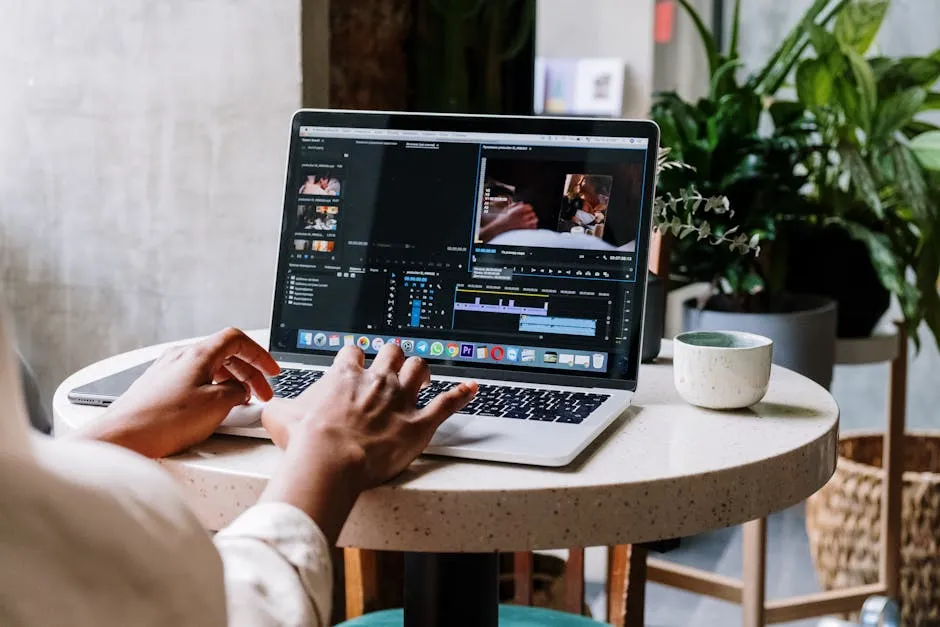
Good systems are no longer optional – theyâre the base. The International Telecommunication Union found in 2024 that upload speeds under 10 Mbps hurt video jobs. Big drop in output. Estonia and Croatia built fiber lines. They keep power stable. That keeps nomads longer.
Rafael Chen, a tech worker who lived in six countries, said, âYou canât run a Zoom meeting from a mountain village with 3G. I used to move every two months. Now I stay put for six to twelve.â Thatâs normal now. Slowmading – staying in one place for months – is growing. Why? Constant moves wreck focus, mental state, and client trust.
Cities like Lisbon, Zagreb, and Barcelona donât just offer coworking rooms. They give full setups: events to meet people, schools for kids, clinics for health. Life runs smoother there. Nomads donât just work – they live.
Why Infrastructure Beats Cheap Coffee
Desks are not enough. Reliable fiber internet is needed. Places like Portugal and Estonia win here, they build hubs and keep power grids steady. Nomads in Albania often face regional outages – that kills work flow. Dubai guarantees 99.9% uptime in business zones. That kind of promise builds trust.
Work comes first. A café with $3 coffee wonât help if the net dies mid-call. Look at the full picture. Base your choice on what keeps you online – not what looks good on Instagram.
The Hidden Costs of Cheap Destinations
A $300 flat in a tiny village saves cash. But spending 6 hours fixing bad Wi-Fi wastes billable time. Check upload speeds before signing any lease. Time is money. A slow net means missed calls. It means lost trust.
One freelancer in Montenegro wasted two weeks rebooting modems. He lost a client. That hurt more than rent. Speed tests donât lie. Run them. Test at different times. Real speed varies. Donât guess. Know.
The Tax Incentives Most Remote Workers Ignore
Most remote workers miss big tax wins. They think they must pay full rates back home. But deals between nations and tax rules abroad can cut what you owe. Big time.
For example:
– Croatia charges a flat 20% tax – and lets some skip tax on foreign income.
– The UAE has no personal income tax. No capital gains tax either. Great for owners and investors.
– Portugalâs new rules still let some pay less on overseas income – for up to five years.
Savings are real. But they donât happen on their own. You must set things right. Maria Lopez, a tax pro at Global Nomad Finance, said, âIâve seen clients lose thousands because they didnât register for tax residency or misunderstood permanent establishment rules. The savings are real, but so are the risks of non-compliance.â
Paperwork matters. Miss a step – and you lose the win. Or worse – get fined. Talk to someone who knows both sides. Do it early.
The Albania Digital Nomad Permit: A Step-by-Step Guide
Albania offers charm at a low price. Follow this list to get the Unique Permit:
- Proof of Employment: Bring a signed contract from a firm outside Albania.
- Income Verification: Bank statements for 6 months showing $1,500â$2,000 monthly pay.
- Local Housing: A notarized rental contract for an Albanian flat.
- Background Check: A criminal record paper from home, stamped with an apostille.
- Health Insurance: Proof of full health coverage.
- Application: Send docs through the e-Albania portal.
It takes 15â30 days to process. The permit allows stays up to 12 months. You can leave and come back. Many nomads pair this with trips to Montenegro or North Macedonia. They create a low-cost Balkan loop. Smart move.
Not all steps are easy. Getting an apostille can take weeks. Some banks drag on statements. Start early. Donât rush. Plan ahead.
The Risks of Perpetual Wandering
Freedom feels great – but itâs not for everyone. Moving to a new land carries risks for those with health needs. Talk to your doctor before leaving. Safety first. Chronic issues, mental care, and medicine access change by border.
World Nomads found in 2023 that 42% of long-term travelers had trouble getting meds abroad. Thatâs almost half. Missed doses. Delayed refills. Some drugs arenât sold there. Or theyâre sold under a different name.
Border rules matter too. Schengen countries limit stays to 90 days in any 180-day stretch. Overstay – even by days – and you risk fines or future bans. One blogger overstayed by 11 days in Greece. He was blocked from returning for two years. Not worth it.
Stress adds up. Jet lag. New languages. No close friends. Some thrive. Others crash. Know your limits. Try a trial run. Test the life before going all in.
Is This Lifestyle Actually Sustainable for You?
Look at your job first. Time zone gaps ruin things if you need to be live for New York hours. A 3 a.m. call every day? Thatâs rough. Plan well.
Sustainability isnât just about cash – itâs about routine, people, and mental grit. Ask yourself:
– Can I stay focused without fixed hours?
– Do I have solid health coverage?
– Am I ready for loneliness or culture shock?
The best nomads run their lives like a business. They track costs. They renew visas on time. They build real ties. As remote work gets normal, the edge goes not to the most bold, but to the most prepared.
Freedom needs structure. Without it, you burn out. With it, you win.
Starting Today: How to Secure Your Next Hub
- Audit your budget to find your real monthly spend.
- Visit Nomad List to check web speeds and safety.
- Apply for visas 3 months before you move.
Also, check out Slow Travel Revolution and Eat Like A Local Anywhere at explorelifestyle.shop. They help you fit in better. Learn food, habits, and norms. Deep roots beat shallow tours.
Start now. Donât wait. Pick a place. Test it. Move smart.
Looking Ahead: The Future of Remote Residency
By 2027, experts say nomad visas will turn into hybrid programs. Theyâll let people stay for years – maybe forever. Countries may score applicants like Canada does. Income, skills, and community role could all count.
The wild west of Wi-Fi chasing is ending. In its place: planned living. Stable bases. Real roots. Freedom isnât dead – itâs just smarter now.
Governments want people who add value. Not just spend cash. The future belongs to those who plan, play by rules, and give back.
This isnât the end of adventure. Itâs the start of grown-up global life.
Frequently Asked Questions
Q: Do I need a lawyer for a digital nomad visa?
A: Usually, no. Most programs are simple, but a pro helps if your case is messy.
Q: Can I bring my family along?
A: Yes, countries like Spain and Portugal allow spouses and kids on these visas.
Q: How do I handle taxes while living abroad?
A: Taxes are hard. Talk to a tax pro who knows your home rules and the new host country laws.
Disclaimer: This text is for info only and is not legal or medical advice. Talk to a pro before making big life changes.