Start a Side Hustle for Under $100: Turn Your Skills Into Income
Money moves fast these days – but you don’t need a big wallet to play. No investors. No storage unit full of stuff. No degree in business. Just $100. A plan. And your own two hands. That’s enough to start a side gig that fits your life – one that grows when you want it to.

Our editorial team covers wellness, productivity, and modern living \u2014 backed by research, shaped by real experience. We believe good advice should read like a conversation, not a textbook.
You could use the cash to kill debt. Build a safety net. Or just get more control over your time. Good news – you already have what it takes. Writing. Design. Planning. All of it can turn into paid work. Simple as that.
Data backs this up. Millions of Americans work more than one job – U.S. Bureau of Labor Statistics says so. A lot are freelancing. Why? Extra cash. A Bankrate survey shows the average side hustler pulls in $891 a month. That’s rent in some towns. Or debt wiped clean in months. Big difference.
Not about burning out. Not about grinding 24/7. It’s about steady income – built on skills you already use. And you can start today. Keep your job. Save your savings.

Why Your Skills Are Your Greatest Asset – And How to Use Them
Most folks don’t see the worth in their daily skills. Wrote reports at work? That’s pro writing. Ran a team project? That’s project management. Built spreadsheets or slides? Those are hot digital skills right now. Your experience has value – even if you’ve never charged for it.
Here’s the deal – service gigs live longer than product startups. Harvard Business School found that out. Why? Less cash up front. Growth you can track. Built on brains – not inventory.
Skip inventing something new. Solve small, urgent problems instead. People need help – fast. Examples:
– Small shops want social media posts
– Busy pros need calendar and email help
– Nonprofits often look for grant writers or newsletter creators
Needs don’t go away. Clients pay $25–$75/hour for solid help. Package your skill into a clean offer. Try “Weekly Social Media Posts for Local Cafés.” Sounds focused. Feels pro. That matters.
It’s not magic. It’s work. But it’s work you already know. Pain follows when you wait too long to start. Fair point. Most people delay. Don’t be most people.
Big chance hides in plain sight. You have skills. Others need them. Connect the dots. Use solo tools – free or cheap. Google Docs. Canva. Trello. All free. Maybe $10 to $20 a month later.
Start small. Charge low at first. Learn fast. Raise rates. Keep clients. That’s the loop. Works every time.
You’re ready. Really.
How to Start Without Spending Much – A Simple Plan
You don’t need a website. Ads aren’t required. Fancy tools cost too much. Starting can cost less than $100. Here’s how to begin with almost no cash:
- Pick one clear service using your best skill
- Name your ideal client – like solopreneurs, small shops, or new startups
- Make a basic profile on Upwork, Fiverr, or LinkedIn
- Set your starting rate at $25–$50 per hour
- Spend $100 max on basics – a domain or one tool subscription
Take Sarah from London. She knew event planning. Used it to help local boutiques run pop-up shop events. Paid $40 for a simple site on Squarespace – nothing on ads. Got her first three clients through people she already knew. Three months in – $1,200 a month part-time. Not bad.
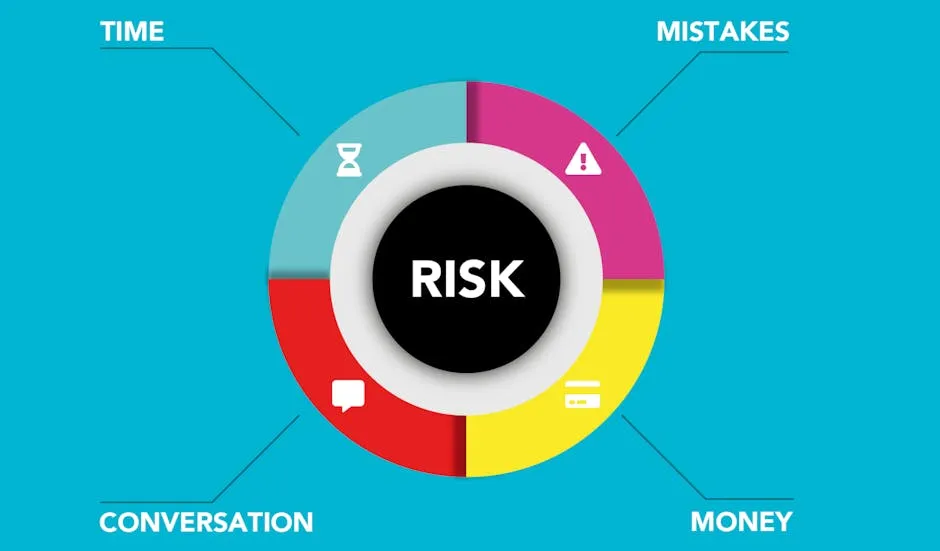
Capping start-up costs at $100 helps your head too – not just your wallet. Low money risk cuts fear. Behavioral economics shows this. Less fear means more action. You test fast. Learn from what clients say. Tweak as you go. No stress to pay back big loans.
- Starting small keeps pressure low
- Real feedback beats guesses
- You move faster than big startups
Big bets aren’t needed – small ones work better.
What We Know – Why Cheap Service Hustles Work Best
Studies show over and over – making money from skills beats needing cash. Harvard Business School found this – startups with less cash build leaner systems. They can’t waste – so they don’t. Simple.
The Kauffman Foundation says service solopreneurs last longer in year one and two. Product startups fail more often. Why? Lower bills. Faster proof. Clients pay sooner.
Your main cost should be time – not cash. Dr. Laura Dunham teaches business at the University of St. Thomas. She says “Top side hustlers don’t wait. They start now. Use what they have. Change based on real talk with clients.” That’s the move.
- No need to be rich to begin
- Fast learning beats slow planning
- Clients decide what sells
Talk to people. Fix as you go.
Picking the Hustle That Fits Your Life and Energy
Not every side gig fits every person. Burnout hits fast if you pick wrong. Match the hustle to your time – and your energy.
- If you’ve got 10 sharp hours a week, try freelance writing, virtual help, or typing from audio
- If you’re full of energy on weekends, look at pet sitting on Rover, event work, or shooting photos locally
- If you like clear, step-by-step work, go for data entry, bookkeeping, or checking SEO
Tools help. Use Notion or Trello. Track deadlines. Map out tasks. Watch payments come in. Keeps your side job from spilling into your main job – in your head and your schedule.
It’s about balance – not burnout. You’ve got one life. Protect your peace. Stay sane. That’s the real win.
Where and How to Find Your First Paying Client
You don’t need a website to land your first job. Start where people already hang out – online groups and local boards.
Post in Facebook Groups. Try community centers. Hit up bulletin boards at cafes.
Say what you do in plain words. “Helping small shops run their social media” works fine.
Join Slack or Discord spaces tied to your skill – writers, coders, designers. Be helpful first. Then mention your work.
Use Facebook Marketplace for local gigs – organizing, tutoring, cleaning.
That works.
Tell five friends what you’re doing – not ten. Five is enough.
One might hire you. Another might know someone who will.
Word-of-mouth moves fast. No ads needed. Just real talk.
It’s shockingly effective.
How to Price Your Services Without Underselling Yourself
Low rates hurt you – big time. They say you’re not worth much.
Don’t race to the cheapest. Anchor your price to what others charge.
Check Fiverr. Scroll Upwork. See what’s normal for your work.
Start at $25–$50/hour – based on how hard the job is.
Package deals pull better – like “3 Blog Posts for $150”. Clients like clear value.
Raise prices as you learn. Every few months, bump it.
A Payoneer study found freelancers who raised rates 10–20% each year kept clients.
Income went up. Stress stayed low.
That matters.
You’re not selling time. You’re selling results.
Price like it.
Managing Income Streams and Avoiding Financial Burnout
Money comes in – now protect it.
Open a separate bank account – just for business cash. No mixing.
Track every dollar. Use YNAB or QuickBooks Self-Employed. Know where it goes.
Set aside 25–30% for taxes. Surprise bills suck. Avoid them.
Boundaries keep you sane. No work at midnight. No weekends unless paid double.
Chronic stress messes with your brain – Mayo Clinic says so here.
Decide your hours – say 7–9 PM on Tuesdays and Thursdays – and stick to them.
No exceptions.
Burnout kills drive. And skill fades fast when you’re tired.
Rest matters. So does saying no.
Just stop.
Scaling Smartly: Reinvest Profits Without Taking on Debt
Hit $500 in profit? Put $100 back into tools.
Spend on things that save time or boost quality.
Canva Pro helps make sharp graphics – fast.
Grammarly Premium catches errors before clients see them.
A good USB mic makes calls sound pro – no echo, no muffled words.
Don’t borrow to grow. Debt pressure breaks people.
Earn first. Upgrade later.
Looking big too soon backfires.
Slow growth lasts. Flashy growth fails.
That’s the truth.
When a Side Hustle Isn’t Worth It – Knowing When to Pivot
Some gigs fail. That’s fine. You live.
If a job takes too much emotional effort for little pay – like endless rewrites with no scope – walk away.
That’s not a client. That’s a trap.
Some hustles are just cash plays. Not passion. Not fun. Just money.
Know why you’re doing it.
If a project drains you more than it pays – pause. Rethink. Or quit.
Quitting is allowed.
Entrepreneurship means you get to choose.
Not every yes is smart.
Sometimes the best move is stopping.
Just stop.
Legal and Tax Basics Every Side Hustler Must Know
All money from side work gets taxed. Keep solid records of:
– Every payment you get
– Work costs like software or domain fees
– Mileage if you drive for jobs
Earn more than $400 in a year – you must file Schedule C with your taxes. That part is not optional. TurboTax Self-Employed helps some people – TurboTax Self-Employed has tools made for freelancers. A CPA can help too – especially if things get messy. Register as a sole proprietor if income grows – it adds protection later.
Don’t skip records. No proof – no write-offs. Track every receipt. Use a notebook or app – just pick one and stick with it.
Looking Ahead: Building Long-Term Freedom Through Small Wins
A side hustle won’t make you rich fast. That’s not the point. It’s about control – making your own calls, building confidence, having choices. Each gig you land – each dollar earned – adds strength. Financial stress drops. Sleep gets better.
Small wins stack over time. Real freedom shows up slow – then all at once. Maybe you quit a bad job. Maybe you travel. Maybe you just feel calmer.
Nobody gives you permission. That’s on you. Start now – find one skill you have, post it somewhere people can see, and message one possible client this week. Just one.
Do it now. Not tomorrow. Today. Weird but true – most people never start. You can be different.
Frequently Asked Questions (FAQ)
Q: Do I need a business license to start a side hustle?
A: It depends on where you live and what you do. Most online gigs – like writing or consulting – don’t need a license at first. But check your city or county rules. Better safe than sorry.
Q: How much can I realistically earn from a side hustle?
A: Average side income is $891/month (Bankrate). With steady work, many hit $1,000–$2,000/month in 6–12 months. Not magic – just effort.
Q: Can I do a side hustle while working full-time?
A: Yes – most people do. Read your work contract – some jobs ban side gigs. Watch your time – burnout creeps in fast. Balance matters.
Related from Explore Lifestyle:
– Embracing Therapy: Why Young Indians Are Breaking Mental Health Stigmas
– Live with Style
– Sustainable Style Evolution
– Best Planners and Journals for 2026, Actually Tested
– Mindful Productivity: How to Work Smarter Without Burning Out
– Digital Detox: Reclaim Focus in a Noisy World