

Train Around Pain Expert Guide
Chronic pain often stops fitness plans – it forces a start and stop cycle. Learning to train smarter helps reach goals without pain. Everyone knows that feeling. Motivation hits, a new workout starts, but back or knee pain flares up in 3 days. Quitting feels like the only choice. Body failure feels real. Exercise should be the base for recovery – not the enemy.

Our editorial team covers wellness, productivity, and modern living \u2014 backed by research, shaped by real experience. We believe good advice should read like a conversation, not a textbook.
Training around pain needs a shift in view. Pushing through sharp stabs causes damage. Learning the difference between good work and bad harm matters. Chronic joint issues or old injuries do not mean sitting still. Check out these proven strategies to achieve your fitness goals faster to keep going.
What You’ll Need for a Pain-Aware Routine
Safety comes first in the gym. Expensive gear is not needed – just tools to track intensity and keep joints safe.
- Resistance Bands: These help with strength training. They provide pull without heavy gravity loads – better for sensitive joints.
- A Reliable Fitness Tracker: Apps like Cronometer help log macros and activity levels to stop overdoing it.
- Foam Roller or Massage Ball: These tools release tension in problem areas.
- A Supportive Mat: Thick mats protect knees and the spine during floor work.
- A Journal: Tracking pain levels against exercises helps spot bad triggers.
Step 1: Differentiate Between Discomfort and Damage
Gymgoers often confuse muscle burn with sharp joint pain. Muscle soreness is a dull, general ache that fades after a set. Joint pain feels sharp – it acts like a stop sign.
One client once thought knee pain was normal. A simple log showed that deep squats caused spikes – box squats did not. Training changed. Muscle mass stayed. Strength grew. Research on injury prevention says the goal is movement without swelling. Sharp pain means stop. Dull aches might be safe.
Pro Tip
Use the 24-hour rule. Higher pain levels the next day mean too much work. Lower the volume or intensity to allow better recovery.
Step 2: Modify Your Movement Patterns for Common Pain Points

Flare-ups don’t mean stopping exercise – they mean changing how you move. Lower back pain often comes from spinal bending under heavy weight. Suitcase deadlifts with dumbbells held at the sides keep the torso upright – this lowers stress on the spine.
Knee issues often stem from tight hips. Tight hips force knees to work too hard. Try step-ups on a low box instead of deep lunges. This limits range but keeps quads working. Guidance from personalized physical therapy programs like Hinge Health helps match plans to specific injury history.
Common Mistake to Avoid
Don’t skip the warm-up. Warm-ups lube joints and wake up the nerves. 5 minutes of light moves like cat-cow stretches make a big difference.
Step 3: Build Strength Without Excessive Strain
Building muscle while managing pain works if you focus on time under tension. Moving slowly – like a 3-second lowering phase – recruits more fibers with less weight. Shoulder issues improve with slow, controlled lateral raises using light bands.
A 2024 study in The Lancet showed that steady, light activity helps chronic pain more than total rest. Bodies need movement – staying still makes joints stiff. Intensity at 60-70% of max builds strength without overloading nerves. For more, check traditional methods with modern fitness approaches.
Step 4: When to Call in a Professional
Pain persists sometimes regardless of changes. Seek a physical therapist if tweaks fail for over 3 weeks – or if pain wakes you at night. Dr. Karen Litzy notes that movement screens find imbalances causing pain.
Physical therapists give homework to fix core or hip issues. A study in the Journal of Orthopaedic and Sports Physical Therapy found that gluteus medius work helps knee pain. Fix the base to improve function. Seek help early. As Hinge Health experts note, custom plans protect health. Data helps you train for 10 years – not just a month.
Your Path to Consistent Training
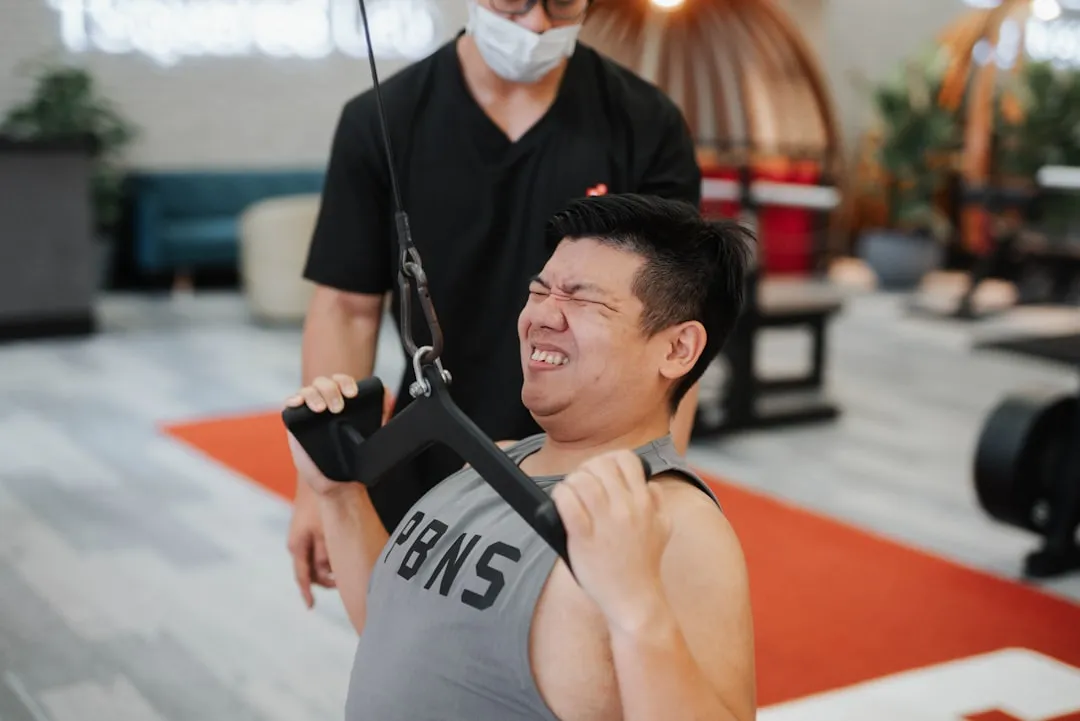
Consistency beats intensity – always. Three 30-minute sessions without pain beat one 90-minute beast mode session once a week.
Acute injuries require doctor approval first. Most people just have nagging issues. Pick 1 change from this guide today. Swap the bench press or use bands – track how you feel 24 hours later. You control the process.
Frequently Asked Questions
Q: How do I know if I’m working out too hard?
A: Sharp pain during a set means stop. If pain lasts over 24 hours, you did too much. Lower the weight or rest more.
Q: Can I build muscle with light weights?
A: Yes. Slow moves increase time under tension. This builds muscle without heavy loading.
Q: Is it better to take anti-inflammatories before a workout?
A: Usually no. Medicine masks pain – you might hurt joints without knowing. Focus on movement instead. Consult a doctor first.