

Student Nutrition: Essential Healthy Eating Tips From a Dietitian
Students juggling studies, social life, and part-time work often find building a healthy Indian diet tough. Eating well on a budget in India – that is possible. By focusing on nutrient-rich staples and simple meal ideas, students can fuel their brains and bodies without spending too much. Here, expert tips and personal experience show how to create a healthy, low-cost Indian diet that keeps energy, focus, and health up.

Our editorial team covers wellness, productivity, and modern living \u2014 backed by research, shaped by real experience. We believe good advice should read like a conversation, not a textbook.
Cheap Protein Foods to Fuel Student Life
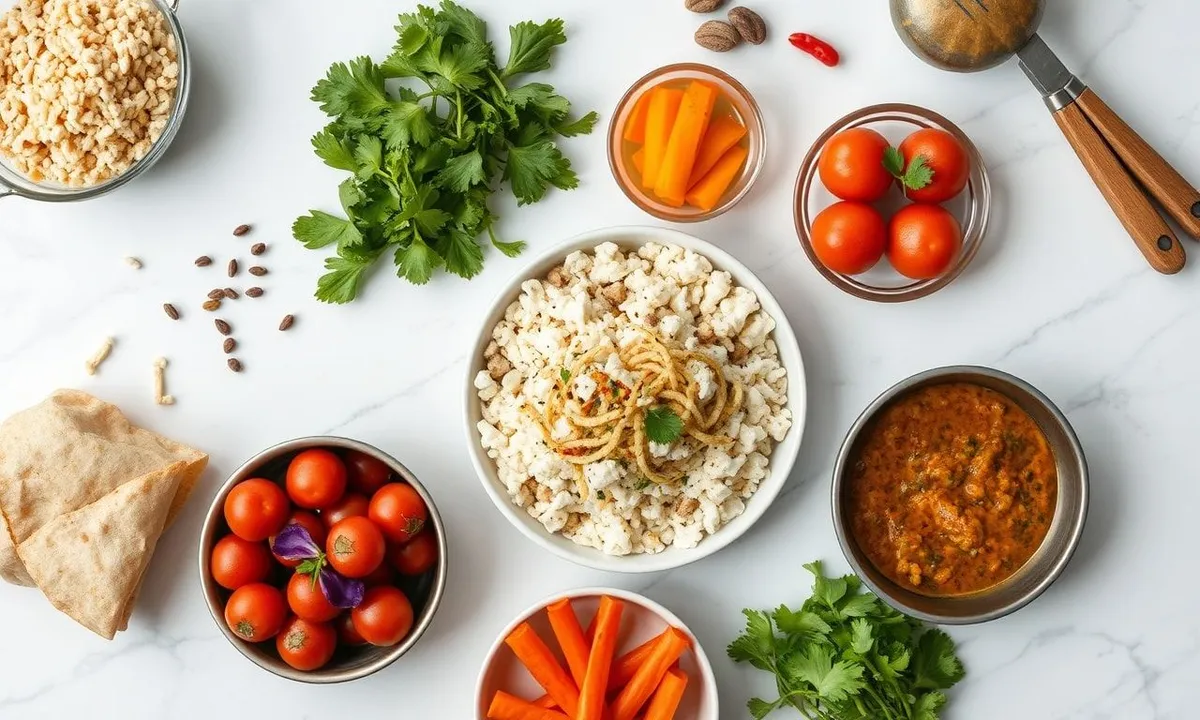
Protein helps memory, focus, and growth – all key for students. In India, cheap legumes like lentils (dal), chickpeas (chana), and beans (rajma) pack protein. Roasted chickpeas give about 6 grams protein per 30 grams and cost close to 40-50 rupees for 200 grams. They fit well as study snacks.
Dairy like curd (yogurt) and milk add protein, calcium, and good probiotics for the gut. The Indian Council of Medical Research (ICMR) says these everyday foods cover most protein needs without pricey supplements.
Vegetarian students can get full amino acid profiles by mixing whole grains with legumes. Meals like khichdi (rice with moong dal) or chapati with chana masala cost little and are well balanced.
- Lentils (dal): ~9 grams protein per 100 grams cooked
- Chickpeas (chana): ~19 grams protein per 100 grams cooked
- Milk (whole): ~3.4 grams protein per 100 ml
- Curd (yogurt): ~3-4 grams protein per 100 grams
These cheap proteins keep brain function and muscles going during busy study times.
Choose Whole Grains and Millets for Lasting Energy
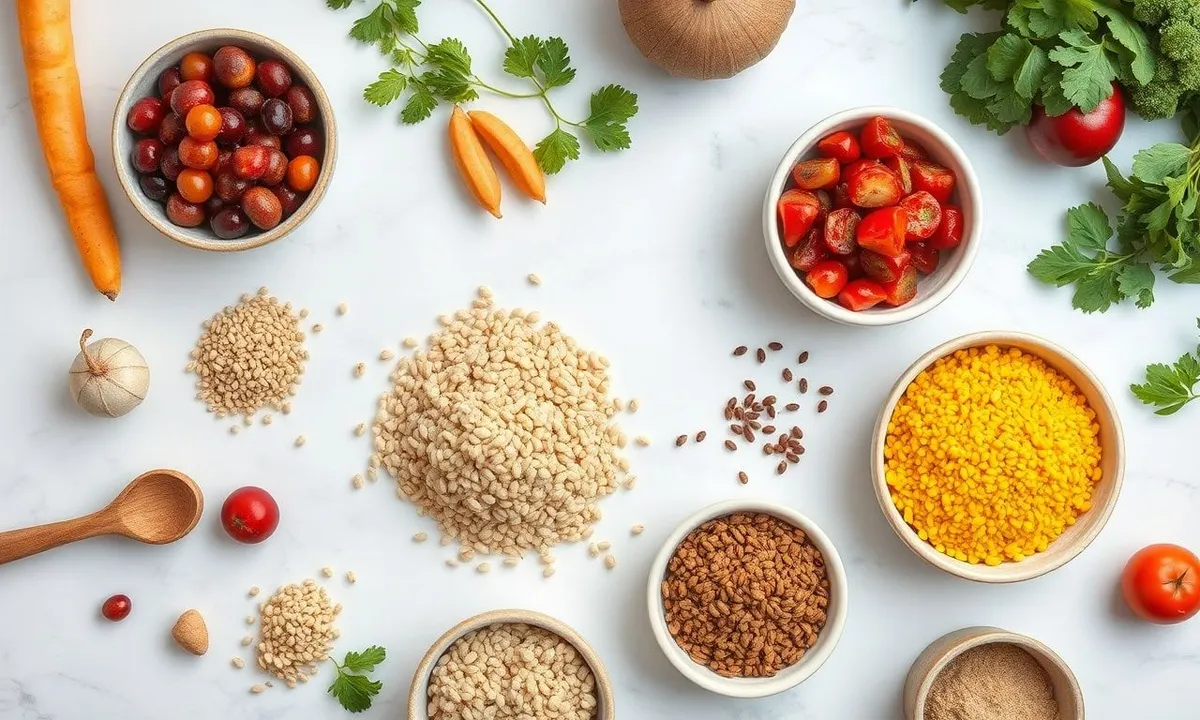
Refined grains cause blood sugar spikes and quick energy drops. Pick whole grains and millets instead. They have fiber, B vitamins, and minerals that give steady energy – important for long study hours.
Cheap choices include:
- Brown rice
- Whole wheat
- Oats
- Millets like ragi, bajra, and jowar
Buying in bulk at local markets can save about 20-30% per year. Millets grow well in Indian weather and have a low glycemic index, which helps keep blood sugar and focus steady.
Ideas to try:
- Ragi dosa for a calcium-rich breakfast
- Bajra roti for fiber-packed lunch
Oats are easy for quick breakfasts and found in budget packs in both cities and rural areas.
Seasonal Fruits and Vegetables: Nature’s Affordable Nutrient Boosters
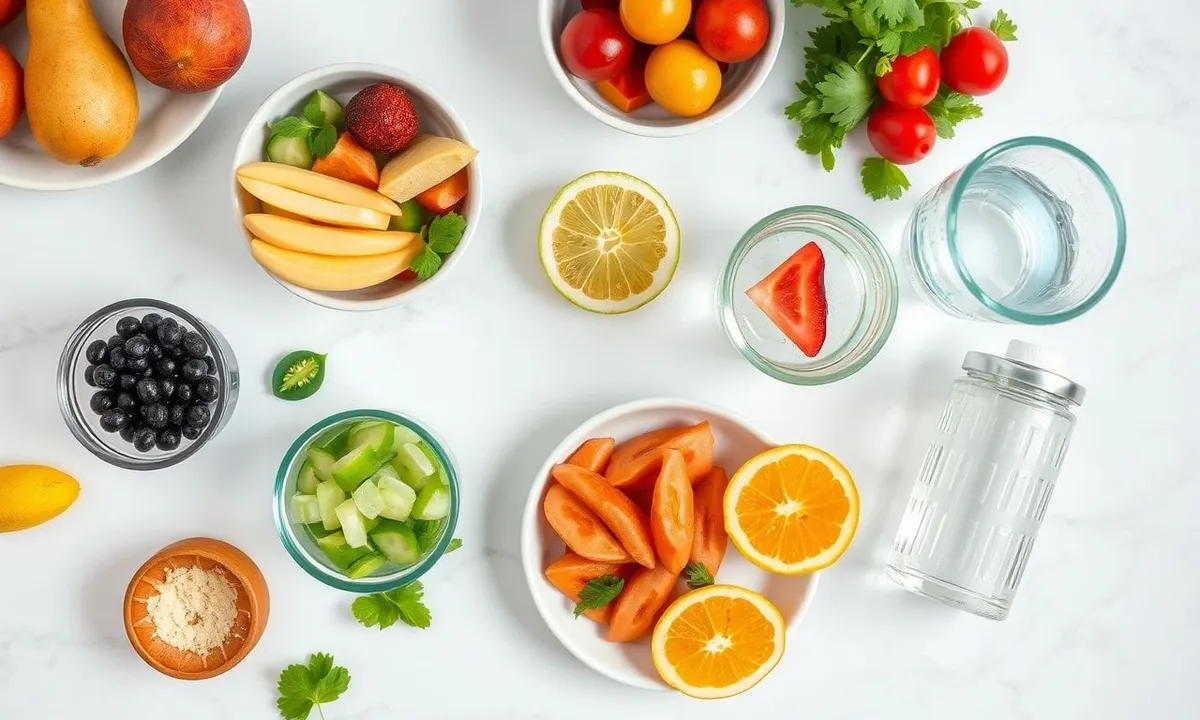
Eating fruits and veggies in season saves money and gives more nutrients. For example:
- Mangoes and melons in summer
- Guavas and oranges in winter
- Vegetables like lauki (bottle gourd), palak (spinach), and gajar (carrots) all year
Studies show seasonal produce holds more vitamins and antioxidants. These help immunity – needed by students under exam stress or during monsoons.
Buying from local markets costs less than supermarkets. Bargaining lowers prices more. A colorful plate full of these fruits and veggies gives vitamins A, C, folate, and minerals for brain and immune health.
Try this simple salad:
- Cucumber
- Tomato
- Raw carrot
- Lemon juice
- Chaat masala
This cheap mix adds fiber and nutrients easily.
Cook at Home: Control Food Quality and Save Money
Home cooking beats eating out for nutrition and cost. Packaged or restaurant food often lacks key nutrients and adds unwanted fats and sugars. That hurts energy and focus.
From my college days, cooking simple meals like dal-rice with stir-fried veggies saved cash and kept me going. Easy dishes to make:
- Overnight oats with seasonal fruit
- Besan chilla (gram flour pancakes)
- Vegetable pulao
Meal prepping works well. Planning weekly meals and buying only what’s needed cuts food waste and impulse buys. For tips, see Master the Art of Meal Prepping for a Healthier Free Week.
Smart Snacks and Staying Hydrated for Focus
Good snacks keep energy steady. Avoid sugary or processed snacks that cause crashes. Instead, pick:
- Roasted peanuts
- Trail mixes with nuts and dried fruit
- Yogurt with fresh fruit
- Roasted chana
These give protein, healthy fats, and fiber to keep hunger and brain sharpness in check.
Hydration is often missed but key for focus and digestion. Skip sugary drinks. Drink:
- Plain water
- Buttermilk (chaas)
- Herbal teas like tulsi or ginger chai
Studies link even mild dehydration to weaker brain function. Keep water nearby when studying.
Controlling Portions and Balancing Meals
Even healthy food can cause weight gain if portions get out of hand. Learning to spot hunger and fullness helps stop overeating.
ICMR suggests a balanced plate with:
- Half plate: fruits and vegetables
- One-quarter: whole grains or millets
- One-quarter: proteins like dal, legumes, or dairy
This mix avoids nutrient gaps and keeps energy steady for long study hours.
Use Indian Spices for Health and Taste
Indian spices add more than taste. Turmeric, ginger, cumin, and coriander offer antioxidants and reduce inflammation.
For example, turmeric in dal or ginger in tea supports immunity and digestion. Studies in journals like the Journal of Medicinal Food back this up.
Plan Shopping and Meals Carefully
Planning helps keep budgets and health goals on track. Buy staples like dals, rice, and spices in bulk from local or wholesale shops. Look out for supermarket deals to stock up smartly.
Meal planning stops last-minute junk food runs and cuts stress. I found this helped a lot during exams. Smart shopping and cooking keep students eating well and saving money at once.
For more health tips for busy lives, see How to Stay Healthy While Managing a Busy Life.
ICMR says a healthy Indian diet plan lowers disease risk and lifts productivity. For weight tips, check Healthy Indian Diet Plan for Weight Loss.
Community chats like on Healthy Diet India Reddit share real student stories and tips on nutrition and money.
Looking Ahead: Building Healthy Habits for Life
Making a healthy diet from cheap Indian foods isn’t hard – it needs smart picks like local staples, home cooking, and mindful portions. These keep the mind sharp and body full of energy without hurting your wallet.
By 2026, students will find even more ways to live healthy. The trick is starting small, trying a few tips here, and building up. Good food is an investment – not just for college but for life.
Frequently Asked Questions
Q: What cheap protein foods suit Indian students?
A: Lentils, chickpeas, and beans cost little and have lots of protein. Dairy like curd and milk add protein and calcium.
Q: How do students stay hydrated without sugary drinks?
A: Water, buttermilk (chaas), and herbal teas like tulsi or ginger chai keep you hydrated and avoid sugar crashes.
Q: Why plan meals on a budget?
A: Planning stops impulse buying, cuts food waste, and makes sure food is balanced while saving money.
References
- Healthline Nutrition: Combining Plant Proteins and Whole Grains
- World Health Organization Nutrition Guidelines: WHO Nutrition
- Reddit r/nutrition: Budget-Friendly Diet Tips
- Indian Council of Medical Research (ICMR) Nutrient Recommendations: https://icmr.nic.in/