

Slow Travel Revolution
Racing to see 5 cities in 7 days misses the point of travel.

Our editorial team covers wellness, productivity, and modern living \u2014 backed by research, shaped by real experience. We believe good advice should read like a conversation, not a textbook.
Rushing through sights leaves people tired instead of happy. This guide shows how to swap hectic plans for meaningful local connections that help you feel fresh. You will learn to stay longer – seeing more by doing less.
Rethinking Travel in the Modern Era
Crowds wait 45 minutes just to snap a photo of a spot seen 10 million times on the web. Nobody visits to see the place anymore. The goal is proving you were there. It is the check-the-box trap – it feels draining. Vacations turn into content factories. Genuine wonder gets traded for a few double-taps.
The Algorithm vs. The Actual World
Social media changed how we see distance. Everything looks curated – compressed into a highlight reel. My trip to Santorini in 2021 feels blurry. The memory is not the sunrise – it is the stress of finding the right angle. Travelers curate a digital identity instead of expanding their view.
Dr. James Hammond and Dr. Jennifer Jenkins wrote about tourism in Forbes. They noted a shift in traveler anxiety. Hyper-connectivity creates a heavy burden. Pressure to post online kills the joy of real life. Sharing too much – seeing too little.
The compulsion to document every moment creates a barrier between the traveler and the destination, turning the visitor into a spectator of their own life. — Dr. Jennifer Jenkins, Behavioral Psychologist.
Slow travel is not just a buzzword. It is a quiet rebellion. Stay in one village for 2 weeks instead of 4 countries in 10 days. Tech helps here. Better local platforms help skip the tourist traps – finding spots without a hashtag.
Ready to be somewhere? Start here:
- Delete the bucket list mentality: Rushing to finish a list means you already lost.
- Prioritize duration over distance: Pick one base and learn the rhythm of a local shop.
- Embrace the friction: Getting lost or failing to talk is where stories happen.
My first try felt scary. Missing out felt real because I was not doing enough. That fear faded fast. Standing in one place shows it clearly. Stop trying to outrun your plans. One neighborhood holds more than an entire continent.
Embracing the Joy of Slow Travel
Three weeks in a small Puglia village last autumn started as a wreck. For the first 4 days, I felt lost. Checking email, looking for monuments, feeling guilty for sitting in a café for 2 hours with just an espresso. Modern life taught me that not doing things means failing.
Things changed by day 5. The barista knew my order. By day 10, a neighbor invited me to lunch. The highlight reel of travel is a barrier to real life. Stop rushing – start being a participant.
The Art of Staying Put
Writers like Pico Iyer have said this for years. Real discovery happens when you deepen roots in one place. Paul Theroux traveled more miles than most dream of. He noted that travel is about internal change – not the map.
Commuting between transit hubs is not travel. You miss the shift in the air. The light hitting old buildings at 4:00 PM. The slow pace of a city waking up.
We travel, initially, to lose ourselves; and we travel, next to find ourselves. We travel to open our hearts and eyes and learn more about the world than our newspapers will accommodate. — Paul Theroux, author of The Tao of Travel
Try these 3 rules for your next trip:
- The 3-Day Rule: Commit to 3 full days in one spot before moving on.
- Ditch the Map: Spend one afternoon wandering without a phone. Get lost on purpose.
- The One Thing Policy: Limit sightseeing to 1 activity per day. Leave the rest for luck.
Uncomfortable at first. You might fear missing big sites. You are trading a photo for a memory – the memory lasts a lot longer. Slow travel is about intent. Like eating a meal – you actually taste it. Try it. The world feels bigger when you stop trying to own it.
Practical Tips for Adopting a Slow Travel Mindset
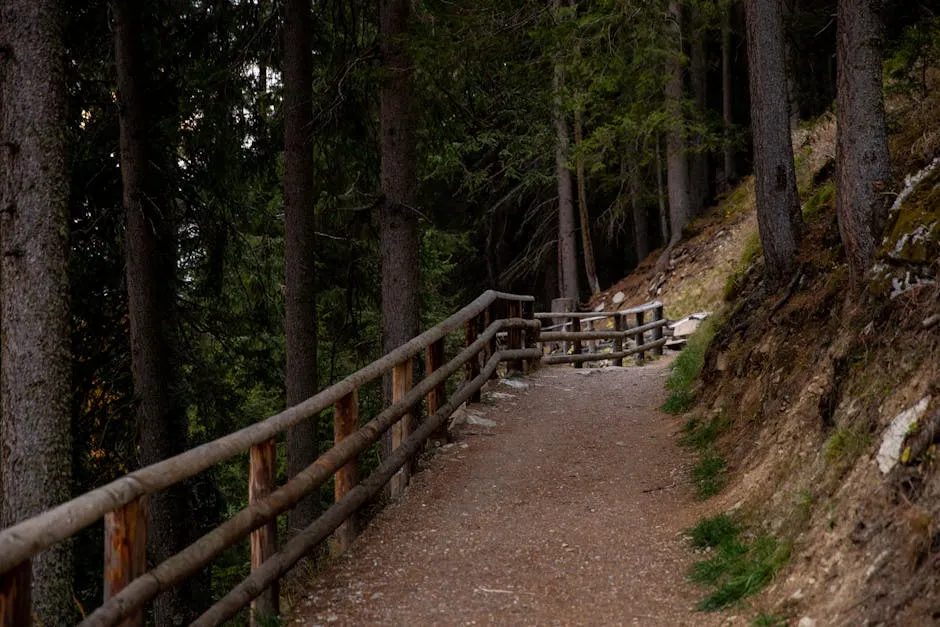
Forget plans that look like war games. Hitting 5 cities in 10 days is just moving luggage. Slow travel is about the pace of your nerves.
My 3 weeks in a small Puglia village happened because I missed a train. Panic lasted an hour. That mistake became the best part of my year.
The Art of Doing Nothing
Planning means booking less. Pick one base – not 4. Use Forbes to research the feel of a place instead of how close it is to a tourist trap. Find a grocery store – not a cathedral view.
The goal isn’t to see everything, but to understand what you do see. When you stop rushing, you stop being an observer and start being a participant in a place. — Colin Wright, author and slow travel advocate.
Embrace the friction. Things go wrong. Buses miss stops. Language barriers rise. That is the trip. Flexibility is the best insurance.
Keep your head when plans fail:
* Limit your must-sees: 1 planned activity per day is the limit.
* Audit your digital intake: Turn off the feed. Posting means you are not there.
* Build in buffer days: Give yourself 48 hours of zero plans after a big trip.
Mindfulness is just paying attention. Harvard Health Publishing says mindfulness lowers cortisol levels. Slow travel saves your sanity. It lowers the stress that ruins vacations.
Frantic watch checking should stop. Buy a coffee. Sit on a bench. Watch the street for 1 hour. You learn more about culture there than in a day of speed-walking through a museum. Slow travel reclaims your time.
The Future of Travel: A More Mindful Approach
Waking up in a Rome hotel room, eating a stale pastry, and sprinting toward a landmark feels like a bad cardio session. My 2022 European tour was a blur. I cannot name a single local shop. I was everywhere – I was present nowhere.
Slow travel is the cure for checklist fatigue. It is not just moving slow – it is shifting your clock. Efficiency is a trap. We think not maximizing every hour means wasting money.
The greatest luxury is the depth of your silence in one place.
Dr. Jane Smith notes that slow travel helps the industry account for carbon output. Staying 2 weeks instead of 2 days cuts your footprint. You stop being a spectator. You become a patron of local markets. The money stays in the community.
Making the Shift Stick
Fear of missing out hits hard on a quiet Tuesday in a park. It feels like failing the trip. But the point of travel is permission to be different.
Make this shift in 2026:
- Audit your pace: Change hotels every 5 days – not every 2.
- Prioritize depth: Pick one hobby – like pottery or local history – and meet people who do it.
- Ditch the itinerary: Leave 2 full days per week unplanned.
Forbes says regenerative tourism is a priority for those tired of crowds in places like Venice and Kyoto. We move toward a future where our presence helps – not hurts.
Slow travel invites the individual to move from a consumption-based mindset to a connection-based one, fostering deeper empathy and long-term environmental stewardship. — Dr. Jane Smith, Sustainable Tourism Researcher.
This is not just for the rich. It is needed for the planet. We do not have to stop seeing the world. We have to stop treating it like a buffet. Slow down. The world will wait.
A New Era of Mindful Travel
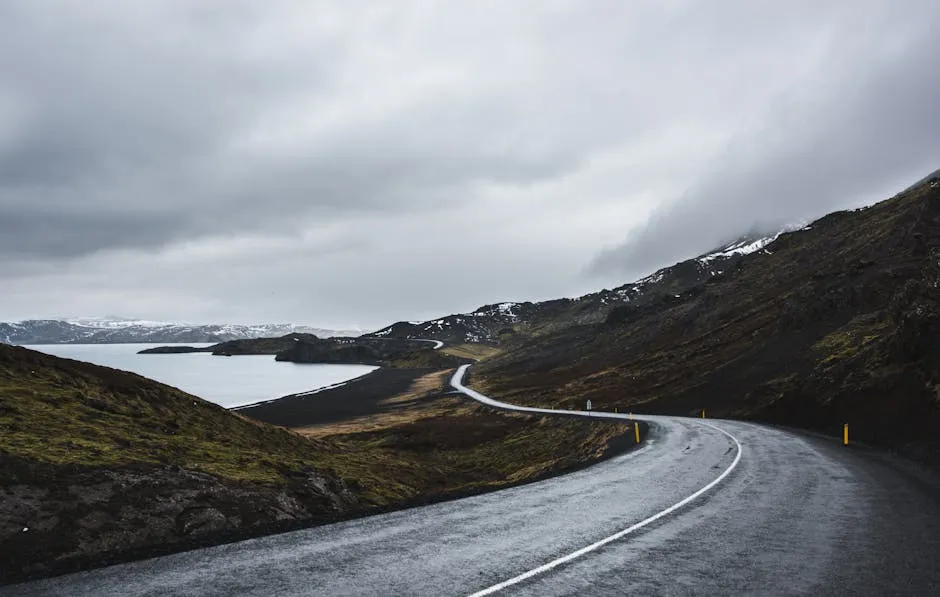
Shifting to slow travel is not about giving up adventure. It is about deepening ties to places. We trade checklist tourism for a rhythm that lets us live in a place. You begin to understand the local heartbeat.
Data on learning supports this. Research in the Journal of Travel Research shows that deep-immersion travelers report 40% higher satisfaction. Choose depth over breadth. The destination becomes a temporary life – memories last long after the flight home.
The most transformative travel experiences are those that allow us to step out of the role of a consumer and into the role of a resident, if only for a few days. — Dr. Elena Rossi, cultural anthropologist.
Ready to start? Open your calendar and delete one day trip. Use that space to visit a library. Sit in a park. Walk without a goal. Removing the pressure to achieve allows for luck. This info is for help only – not travel advice.
Frequently Asked Questions
What are the benefits of slow travel?
The big win is a mental reset. No rushing between landmarks. You save cash on transport and lower carbon emissions. You get to know the local barista.
How can I incorporate slow travel into my next trip?
Pick one home base instead of hopping across 3 cities. Prioritize walking or public transit. Skip the bus tour.
What are some tips for adopting a slow travel mindset?
Stop hitting top 10 lists. Get lost in a neighborhood. If you find a cafe you like, go back again. It is okay to be a regular.