

Slow Travel Explained: Why Seasoned Explorers Say It’s the Best Way
You just spent 14 days rushing through 7 European capitals – and the only thing you really recall is the airport coffee. Sounds about right. That empty feeling has a name now – and a fix. Slow travel is the new way to see the world – and it’s not some fringe idea for trust-fund backpackers. A recent survey found that 91% of travelers want to try slow travel in 2026 – with 94% of Americans saying they’d go for it on their next trip. The shift went from niche to mainstream almost overnight. Maybe you’ve been eyeing hidden gems in Bali most tourists never find – slow travel could change how you plan every trip going forward.

Our editorial team covers wellness, productivity, and modern living \u2014 backed by research, shaped by real experience. We believe good advice should read like a conversation, not a textbook.
What Exactly Is Slow Travel – and Why Is Everyone Talking About It?
Slow travel isn’t budget travel. It’s not digital nomad life either. The idea is simple – stay in fewer places for longer. Usually 1 to 4 weeks per spot. Depth matters more than a checklist of selfie spots. Rather than cramming 5 cities into 10 days – you pick 1 area and actually live there. The local market becomes your grocery store. You learn which bakery opens first. Getting lost is the point.
The European Travel Commission’s 2026 Long-Haul Barometer shows slow travel grew from 22% to 26% among long-haul travelers – just 1 year apart. Euromonitor now calls it a mass-market trend. Major tour groups are weaving slow routes into standard packages. Almost 90% of surveyed travelers prefer staying put for a whole trip – not hopping around. That’s a huge shift. Forces way bigger than Instagram looks are driving it.
Why 2026 Became the Tipping Point for Slow Travel
3 forces hit at once this year – pushing slow travel from “nice idea” to “obvious choice.”
First – overtourism backlash reached a breaking point. Barcelona, Venice, and Amsterdam rolled out visitor caps and tourist taxes. 69% of young travelers now say they’d change plans to avoid adding to overtourism. Second – remote work means you don’t need to cram a trip into 2 rushed weeks of PTO. The “slowmad” movement – staying 3 to 6 months in 1 place – became a real travel identity in 2026. Countries like Georgia offer visa-free stays up to 1 year. Thailand’s DTV visa covers 180 days.
Third – rising flight costs made fewer flights and longer ground stays just smarter money-wise. A single transatlantic flight runs $800 to $1,200. Cut 3 inter-city flights and you save $1,500 or more. Simple math.
The Psychology Behind It
Dr. Sebastian Filep – a well-being tourism researcher at Griffith University – has studied how travel pace affects how good a trip feels. His work shows that real place attachment – the bond you form with a spot – needs at least 5 to 7 days. Rushed trips create what experts call “experience compression” – where memories blur into 1 messy lump. Hard to tell Tuesday apart from Thursday. Analysts put it bluntly – if 2025 was the year everyone said they were tired – 2026 is the year people decided to actually feel better.
How to Actually Do Slow Travel Without Blowing Your Budget
Here’s where it gets exciting – especially if you’re watching your wallet. Staying 3 weeks in 1 city tends to cost 30-40% less than hopping between 3 cities in the same time. Transport eats up travel budgets fast – and slow travel cuts most of it out.
A quick framework:
- Pick 1 base city and explore the area around it by train or bus. Rail bookings are up 25% year-over-year – routes like Venice to Rome grew 22%.
- Book monthly rentals on sites like Airbnb or Furnished Finder. A month-long flat in Lisbon runs $900 to $1,400 – compared to $120 to $180 per night at a hotel. Big gap.
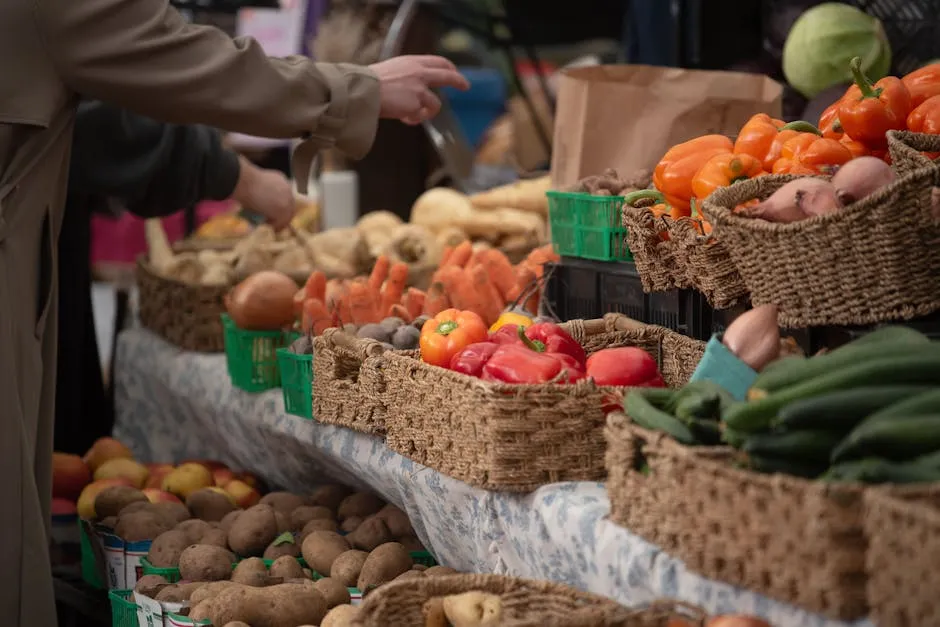
- Eat local – not touristy. Street meals in Chiang Mai cost $1.50 to $3. A full almuerzo lunch in Medellin is $3 to $4. Cook half your meals and food costs drop by 50%.
- Use slow transport. A Eurail pass costs roughly $300 for 7 travel days in a month. Buses across Southeast Asia run $5 to $15 between major cities.
Testing this in Tbilisi last year – total monthly spend came to roughly $1,100. That covered a furnished flat, daily meals, coworking space, and weekend trips. Not even close to what a 2-week hotel-hopping tour costs.
What the Evidence Actually Shows About Deeper Trips
Saving money is just part of it. Research keeps showing slow travelers report higher joy from their trips.
Insight Vacations’ research found travelers who stayed longer in fewer spots rated their trips way more meaningful than those who visited more places in the same window. A 2024 study from the University of Surrey’s School of Tourism confirmed that how long you stay matters more for trip joy than how many places you visit. Duration beats quantity. Every time.
Take Marco from Sydney
Marco is a 34-year-old software developer from Sydney. He spent 3 weeks in Oaxaca, Mexico – instead of his usual 2-country, 10-day sprint through Central America. He joined a local cooking class. He became friends with his landlord’s family. He went to a block fiesta – and hiked Monte Alban with a guide he met at the market. “I’ve traveled to 30 countries,” he said – “but Oaxaca is the first place that actually changed how I think.” That depth doesn’t happen in 48 hours. Not a chance.
The luxury end agrees too. SmartFlyer reports 6-figure bookings up 26% year-over-year – with safari trips – slow and deep by nature – surging 22%. Slow travel isn’t just for backpackers anymore.
The Other Side – When Slow Travel Doesn’t Work
Being honest matters here. Slow travel isn’t for everyone – or every trip.
Maybe you’ve got 10 days of leave and a bucket-list dream to see both Tokyo and Kyoto. A fast trip might really be the right call. Visa rules in some countries cap stays at 30 or 90 days – which makes longer plans tricky. And slow travel asks you to handle routine – not everyone wants to spend Tuesday doing laundry in a foreign flat. Fair enough.
There’s also a privilege factor. Remote work – the main thing that makes this possible – isn’t open to shift workers or people in face-to-face roles. That said – even a smaller version works. Spending 5 nights in 1 place instead of 2 is still a more rewarding way to see the world than speed-running landmarks. Small shifts count.
What This Means for Your Next Trip
No need to quit your job or go full digital nomad. Start small. Next trip – pick 1 city instead of 3. Book a flat instead of a hotel. Walk around for the first 2 days with no plan at all. Backroad Planet’s guide to slow travel in 2026 has solid destination-based plans if you want a starting point.
Track spending with Trail Wallet (free) to see savings in real time. Look at Anyplace or Flatio for monthly stays – both serve travelers staying 2 weeks or longer.
A concrete next step – pick 1 spot you’ve been curious about. Search for a monthly rental. Compare the total cost against your usual hotel-hopping plan. The math speaks for itself. And if you want somewhere cheap – Tahiti might cost less than you’d guess.
Global travel gross bookings are set to hit $1.67 trillion in 2025 per Deloitte’s travel outlook – so the industry is paying close attention. Depth over breadth isn’t just a vibe – it’s the main shift right now. The only question is whether your next trip lines up with it.