

Why Japandi Style Creates Calm, Cozy Homes, Designer Explains
Scrolling Instagram or pinning home ideas on Pinterest? You’ve probably seen Japandi style popping up a lot lately. It’s a simple mix of Japanese minimalism and Scandinavian warmth. This quiet, neat style has spread from small New York apartments to London flats, Mumbai homes, and bright spaces in Sydney. Why is Japandi the top interior trend right now? Let’s look at why this style works so well and why many people love it.

Our editorial team covers wellness, productivity, and modern living \u2014 backed by research, shaped by real experience. We believe good advice should read like a conversation, not a textbook.
What Makes Japandi a Perfect Blend of East and West
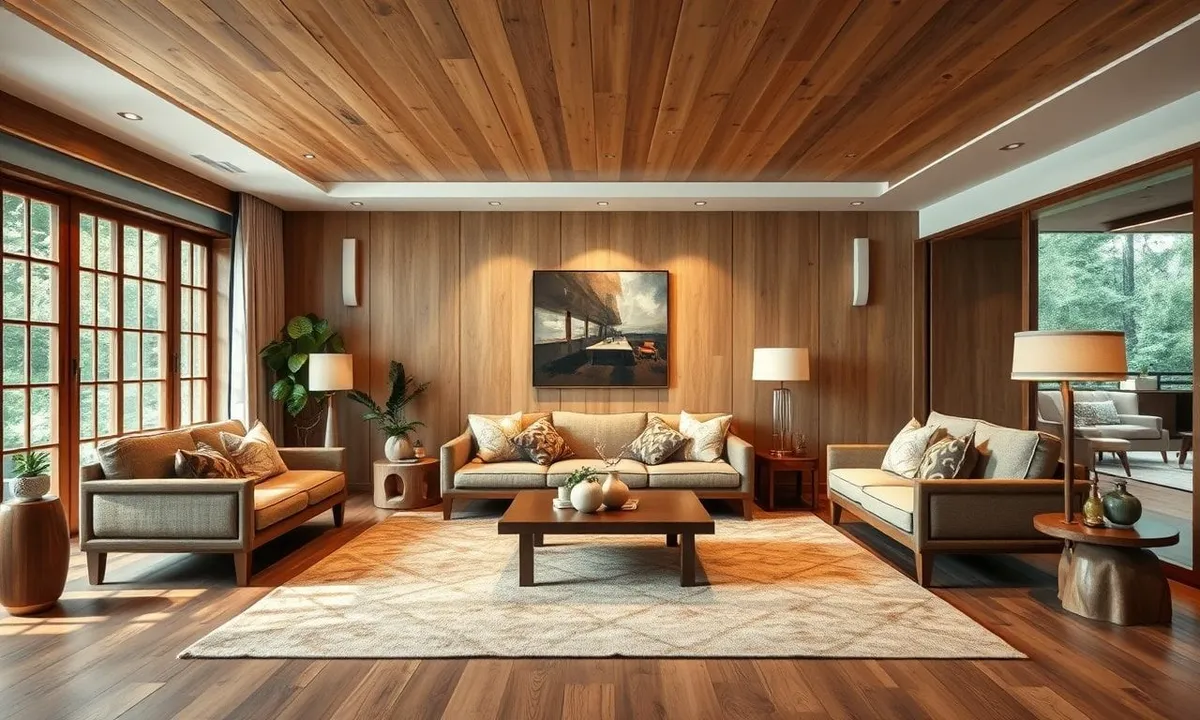
Japandi isn’t just a name—it’s a way of thinking that joins two cultures that love simple, clear design. Scandinavian style means cozy comfort—soft fabrics, lots of natural light, and warm wood tones. Japanese design brings wabi-sabi—that means finding beauty in natural flaws and making calm, clean spaces.
Together, they build a peaceful, welcoming mix. Interior designer Jeremiah Brent says Japandi “focuses on craftsmanship, texture, balance, and calm,” using natural woods, earthy stuff, and soft, muted colors. This mix gives warmth with a neat, clutter-free look that many connect with.
This style fits many homes—from tight Mumbai flats that need less clutter, to old London flats that want a fresh but classic feel. Japandi’s flexible nature makes it great for different places.
Why People Are Leaving Maximalism for Japandi’s Calm
Lots of folks feel tired of maximalist spaces full of bold colors and too much decor. Japandi offers a fresh break with soft, neutral tones like warm greiges, oatmeal, and mushroom browns. These colors feel warm but never messy or wild.
Celebrities like Zendaya show how Japandi works. Her bathroom has wood-panel walls—warm, natural, and simple. This makes many want to add wood touches and pick soft, low-profile furniture instead of sharp or busy mid-century styles.
The real pull is in simple, planned design. Japandi means “less but better.” This works great in small city homes—from New York to Sydney—where every inch counts. Clean lines and smart furniture keep spaces calm and useful.
How Japandi Supports Eco-Friendly, Thoughtful Living
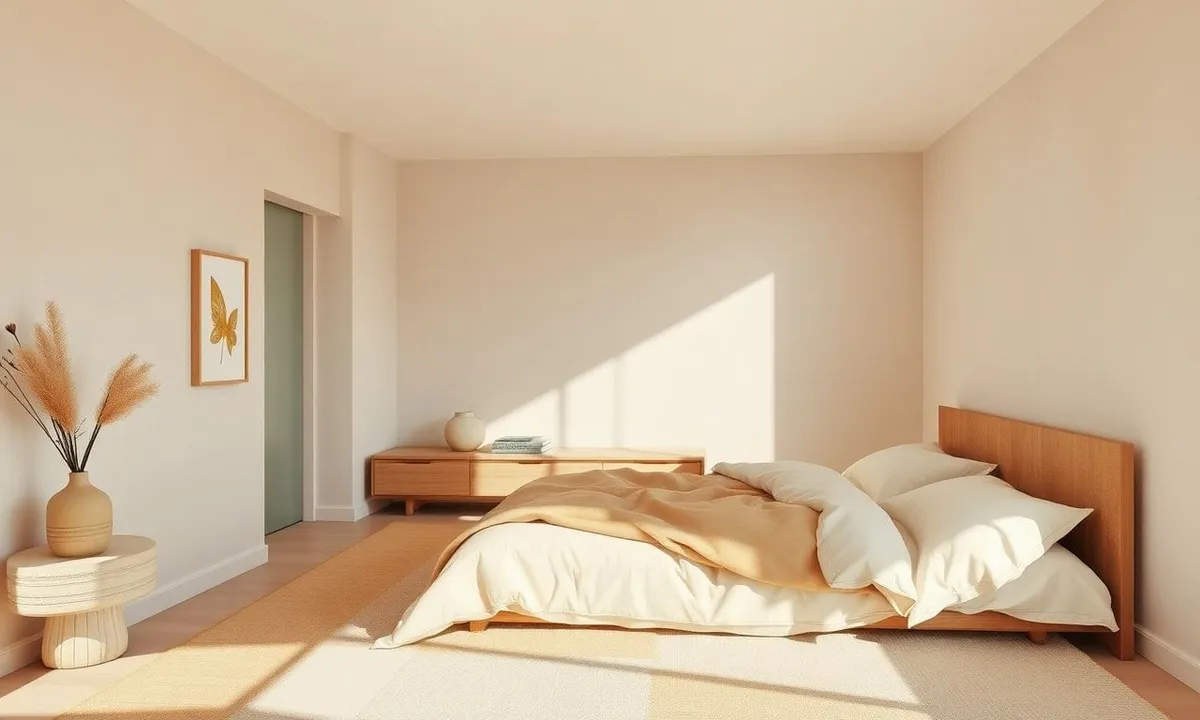
More homeowners want spaces that are kind to the planet, not just stylish. Japandi puts planet-friendly materials front and center by using natural, green stuff like bamboo, stone, wood, and handmade paper.
Indian brands and online stores like Home Decor India sell crafted, eco-friendly items that match Japandi looks. For example, a teak coffee table from Kerala or linen curtains from Rajasthan add real texture while caring for nature.
For more on green design, see sustainable materials trending in home renovation projects. These ideas show how simple it is to make your home Japandi and earth-friendly.
Can Japandi Fit in Indian Traditional Homes?
Yes. Japandi focuses on less clutter but doesn’t erase culture. It can freshen Indian traditional decor by putting the spotlight on fine craft and natural materials—not flashy or heavy pieces.
Try mixing a natural jute rug from Rajasthan with a sleek Scandinavian chair. This blend links old and new styles in a smooth way. Many Indian homeowners want to keep their roots but also try global trends.
Balance matters. Japandi aims for simple, not empty. Keep family heirlooms or special items, but skip clutter. For ideas on mixing these styles, visit Home Decor India Reddit to see real Japandi-Indian blends.
What You Need to Nail Japandi Style at Home
To build your own Japandi spot, focus on:
- Natural, soft color palettes — warm greiges, soft browns, muted greens; skip harsh whites or bright colors
- Low-profile, simple furniture — smooth shapes and curves; brands like Ikea’s NORDEN or Muji have options from $200 to $500
- Natural materials — bamboo blinds, stoneware, linen cushions, wood floors; in India, check home decor Indiamart for handmade finds at all budgets
- Clutter-free spaces — smart storage keeps surfaces clear; multi-use furniture like foldable tables or ottomans with inside storage work well in small homes
- Indoor plants — fiddle leaf figs, parlor palms, or Japanese bonsai add life and calm. According to Livingetc.com, these plants fit Japandi’s mood perfectly
- Soft, warm lighting — paper lanterns, warm LED bulbs, or candles create cozy feels
You can also use tech that fits Japandi’s calm and simple look. For more, see smart home tech that blends seamlessly with interior design.
How to Start Japandi Without Breaking the Bank
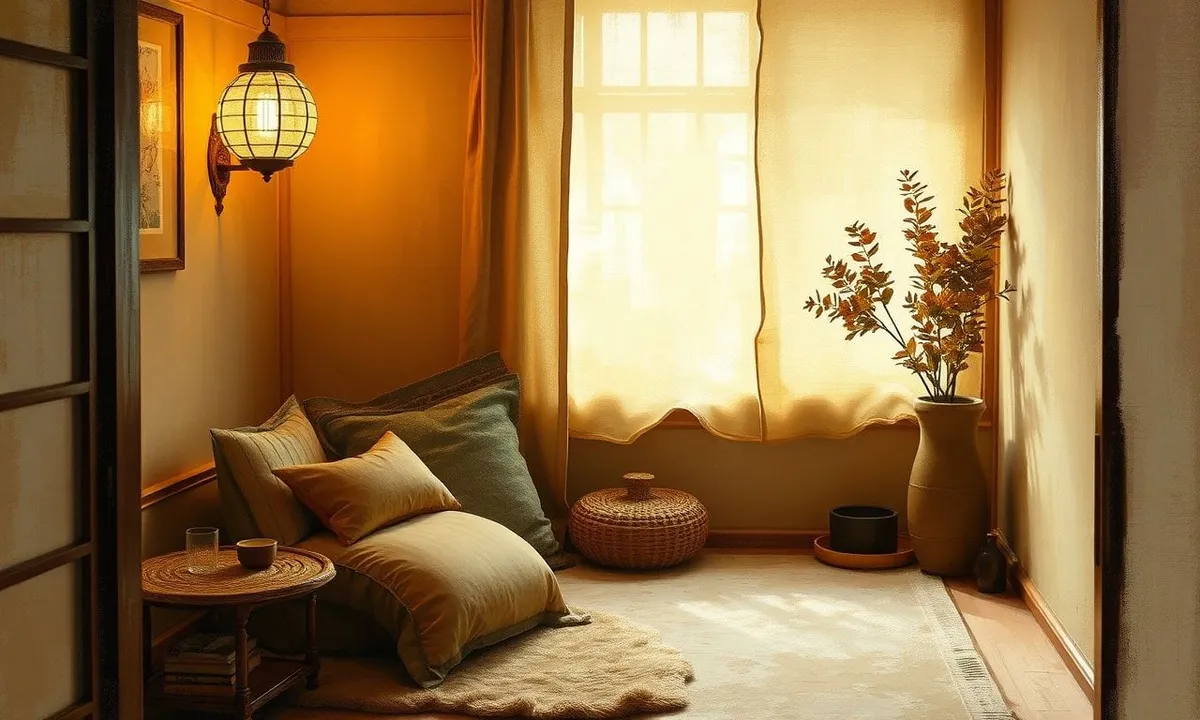
No need to redo your whole home at once. Start small with easy swaps:
- Swap heavy curtains for light linen panels ($30–$50)
- Add bamboo or wood decor from local Indian brands
- Declutter and buy simple storage baskets
- Paint a wall warm greige (paint costs $20–$40 depending on location)
- Bring in a medium indoor plant for under $25
For more style ideas, see modern home decor trends for 2026.
Looking Ahead: Why Japandi Style Is Here to Stay Worldwide
Japandi is hot because it gives busy, modern people what they want—calm, realness, and timeless looks. The mix of Japanese minimalism and Scandinavian warmth suits all kinds of homes—from narrow Mumbai streets to big Sydney houses. It’s flexible, earth-friendly, and very human.
This style feels both known and fresh. It links cultures and places. Whether buying a handwoven Indian rug or a simple Japanese vase, Japandi tells you to slow down and live with less but better.
For expert tips on making Japandi fit your space, read how to design a vastu-compliant modern living room in 2026. Designing this way helps calm your space and your mind.
Frequently Asked Questions
Q: What is Japandi style in design?
A: Japandi joins Japanese minimalism with Scandinavian warmth, focusing on simple, natural, cozy, and neat spaces.
Q: Can Japandi work in small homes?
A: Yes. Japandi’s simple style and multi-use furniture make it great for small homes, keeping things calm and useful.
Q: How do you mix Japandi with Indian traditional decor?
A: Balance matters. Use natural textures and plain shapes with select traditional pieces to make a smooth look.
For more ideas, see Japandi Style: Everything You Need to Know. Join talks on Home Decor India Reddit to share your Japandi journey or ask questions.
Expert insight from interior designer Jeremiah Brent says Japandi’s win comes from its balance of craft, texture, and calm—making it a perfect style for city living where space and peace matter.
Research shows minimalist, nature-based interiors can cut stress and boost wellbeing, matching Japandi’s growing draw worldwide.
This article is for info only and shows current design trends. Your taste and local styles should guide your home choices.