

Is the World Heading for a New Oil Crisis?
Wondering why oil prices go up and down – it’s not just about the money. Back in 1973, the price of oil nearly quadrupled in a few months. That was not just a small change – it was a big deal. It changed how we move around, heat our homes, and think about the world. If you’re worried we’re heading for something worse, you’re not alone. People are talking about energy security a lot – and it’s not just about oil. It’s about your grocery bill, your commute, and more.

Our editorial team covers wellness, productivity, and modern living \u2014 backed by research, shaped by real experience. We believe good advice should read like a conversation, not a textbook.
The 1973 Energy Crisis: What Happened
The 1970s oil crisis was not a natural disaster – it was a political move. In October 1973, some countries that produced oil stopped selling it to countries that supported Israel. This was a big deal. It was not just a small change – it was a deliberate move that affected the whole world. The impact was immediate. People had to wait in line for gas, and there were rules about how much gas you could buy. It was a scary time. People realized how much they relied on oil – and how fragile their lives were.
Economist Dr. Carol Nakhle says the price of oil went up really fast – from $3 to nearly $12 per barrel. That’s a big jump. According to the International Energy Agency (IEA), the world used about 33.1 billion barrels of oil in 2022. That’s a lot of oil. We still rely on oil a lot – but we’re trying to use less. The 1970s crisis made countries think about their energy use – and try to use less oil. If you feel like we’re living through a similar time, it’s because the memory of the 1970s never really went away.
Why Modern Energy Markets Are More Vulnerable
The 1970s crisis was about a group of countries stopping oil sales. Today, the threats are more complex. We’re not just talking about one problem – we’re talking about a lot of connected problems. Experts like Fatih Birol of the International Energy Agency say we’re facing a big energy security threat. The global energy market is connected – and sensitive to small changes. The World Bank says about 770 million people don’t have access to electricity – but the demand for energy keeps going up.
The reason for this vulnerability is geography. Think about the Strait of Hormuz – a narrow waterway that’s really important for energy. If something happens there, it could affect a lot of oil and gas. That’s not a small problem – it’s a big one. A study by the U.S. Energy Information Administration (EIA) found that the global oil supply chain is vulnerable to disruptions. This could lead to a big crisis – and have significant economic implications.
The Complexity of Global Dependence on Fossil Fuels
Unlike the 1970s, we have a “trilemma” now: balancing energy security, affordability, and the transition to renewables. When I look at how we’ve changed – from relying on a few oil producers to a connected web of energy sources – it’s clear we’ve traded one set of risks for another. The transition to cleaner energy is essential – but it creates a temporary “valley of instability” where we’re neither fully independent from fossil fuels nor fully powered by renewables. This transition period increases the likelihood of a crisis – as the world navigates the challenges of meeting growing energy demands while reducing greenhouse gas emissions.
What the Data Says About Future Volatility
It’s easy to get caught up in the news – but the data tells a more nuanced story. Shipping expert Lars Jensen says the current geopolitical climate could result in economic damage that’s bigger than the 1970s. However, there’s a counter-narrative: the world is more resilient than it was fifty years ago. According to a report by the IEA, the global energy sector has made significant progress in increasing energy efficiency – with a 12% improvement in energy intensity since 2010.
Many countries now have big Strategic Petroleum Reserves (SPR) and have diversified their energy portfolios to include nuclear, solar, and wind. The 1973 oil crisis hit a world that was almost entirely dependent on crude oil for transport and heating. Today, while we’re still reliant on fossil fuels, the electrification of the transport sector and advancements in energy storage provide a buffer that didn’t exist back then. As the world continues to navigate the challenges of energy security, it’s essential to consider the role of renewable energy sources in mitigating the risks associated with fossil fuel dependence.
Still, the volatility index remains high. Researchers point out that while we have more tools, the speed of information – and the subsequent panic buying – can cause prices to spike faster than they did in the 70s. If you’re looking for articles that explore how these shifts affect your daily life, you’ll see that the anxiety is less about “running out” and more about “affordability.” The impact of a crisis on the global economy could be significant – with the International Monetary Fund (IMF) estimating that a 10% increase in oil prices could reduce global economic growth by 0.2-0.3%.
Real-World Consequences for Your Wallet
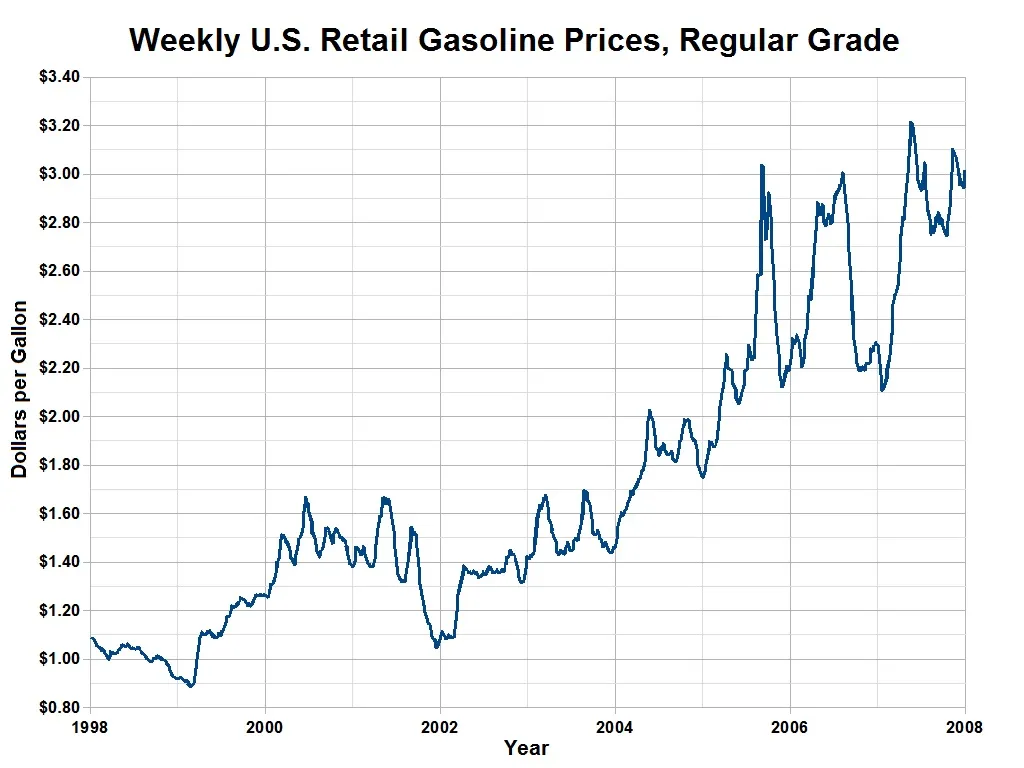
The theoretical impact of an energy crisis becomes very real when you’re standing at the pump or looking at your monthly utility bill. In the 1970s, the impact was felt through rationing – you could only buy gas on certain days based on your license plate number. Today, the impact is more likely to be felt through inflation. When energy prices rise, the cost of shipping goods, manufacturing plastics, and heating homes follows suit. A study by the American Automobile Association (AAA) found that a $1 increase in the price of gasoline can lead to a 1.5% increase in the cost of groceries – highlighting the far-reaching consequences of a crisis.
Case Study: The 1979 Iranian Revolution Impact
The 1979 crisis, triggered by the Iranian Revolution, serves as a masterclass in how political shifts dictate your morning commute. When oil production in Iran dropped, it wasn’t just a temporary dip – it caused a multi-year period of high inflation and “stagflation” that defined the era. Four key outcomes occurred:
1. Average fuel prices doubled for the average household.
2. Automobile manufacturers were forced to pivot to smaller, more fuel-efficient vehicles.
3. Governments around the world scrambled to secure new energy sources, sparking a wave of exploration and investment in non-OPEC countries.
4. The global economy suffered, with the U.S. experiencing a recession in 1980. The lessons learned from this crisis can inform our understanding of the potential consequences of a crisis and the importance of diversifying energy sources to mitigate these risks.
That matters. Energy security is a big deal. It’s not just about oil – it’s about our lives. We need to think about it – and try to use less oil. It’s a challenge – but we can do it. The world is changing – and we need to change with it. That’s the truth. Nobody talks about this – but it’s real. We’re living through a similar time – and we need to be prepared. The impact of a crisis could be big – but we can mitigate it. We just need to try. It’s not easy – but it’s worth it. The future is uncertain – but we can shape it. That’s the goal.
The problem is – we’re not there yet. We’re still relying on fossil fuels – and that’s a risk. The transition to renewables is essential – but it’s not easy. We need to keep working on it – and trying to use less oil. It’s a process – but we can do it. The world is watching – and we need to act. That’s the reality. The crisis is not just about oil – it’s about our future. We need to think about it – and try to make a change. It’s not going to be easy – but it’s worth it. The world is counting on us – and we need to deliver. That’s the truth.
It’s time to act. We can’t wait – we need to try now. The crisis is real – and it’s not just about oil. It’s about our lives – and our future. We need to think about it – and try to make a change. It’s not going to be easy – but it’s worth it. The world is counting on us – and we need to deliver. That’s the truth. The impact of a crisis could be big – but we can mitigate it. We just need to try. It’s not easy – but it’s worth it. The future is uncertain – but we can shape it. That’s the goal.
That’s it. The crisis is real – and it’s not just about oil. It’s about our lives – and our future. We need to think about it – and try to make a change. It’s not going to be easy – but it’s worth it. The world is counting on us – and we need to deliver. That’s the truth. The impact of a crisis could be big – but we can mitigate it. We just need to try. It’s not easy – but it’s worth it. The future is uncertain – but we can shape it. That’s the goal. The world is waiting – and we need to act. That’s the reality.