

Fashion Tips 2026
Labels don’t define a wardrobe. That game is already lost.

Our editorial team covers wellness, productivity, and modern living \u2014 backed by research, shaped by real experience. We believe good advice should read like a conversation, not a textbook.
A decade spent tracking style shifts proves the secret to a good wardrobe isn’t buying more – it’s refining your signature aesthetic. This guide helps you audit your closet and build a rotation that actually feels like you.
Understanding Personal Style: Defining Your Aesthetic
Most people treat their closet like a dumping ground for clothes they might wear one day. That blazer from a sale or jeans that might fit again – these items clutter space. A rack full of clothes often leads to feeling like there’s nothing to wear. This isn’t a supply issue – it’s a strategy failure.
Style isn’t about chasing TikTok trends. It’s about finding what makes you feel capable. Historian Linda Przybyszewski explains in her book that style comes from knowing proportion and purpose. Strip away the noise. Core values are usually simple. Structure or flow? Minimal or bold?
True style means removing things that don’t fit your life.
Building Your Foundation
Stop scrolling sites for ten minutes and look at your own laundry. What do you reach for when stressed and needing comfort? That’s your base. Rachel Zoe says to dress for the life you have – not the one you want.
Years spent forcing edgy leather pieces felt like a costume. My aesthetic is soft, simple palettes – creams, navys, and charcoals. Once I stopped fighting my own taste, getting dressed took 30 seconds instead of 30 minutes.
Style shares who you are without words. It’s a way to show intent and self-respect.
Try these 3 steps:
- Audit your past: Find 3 items you wore until they fell apart. Why did they work?
- Color-block your reality: Research by Harvard Business Review shows that limiting colors to 3 neutrals and 1 accent color lowers brain fatigue.
- The 80/20 Rule: Keep 80% as timeless staples and 20% for mood or season changes.
Identify the uniform. It doesn’t have to be dull – it just has to be yours. Curate a collection. Don’t be a mannequin for a brand.
The End of the Impulse Buy
Chasing the next big thing left my closet full of cheap synthetic fabrics. More is not better. A report by the Ellen MacArthur Foundation says the industry makes 92 million tons of textile waste yearly. Clothes end up in landfills because we treat them like trash.
Buying a $20 shirt is a loss. It’s a short-term rental that loses shape after 3 washes. Buying for the long haul matters – otherwise, you just feed a broken system.
Quality Over Everything
The shift to better pieces sharpens personal style. Stop looking like a fast-fashion mannequin. Care about how clothes are made.
True sustainability means changing how we relate to what we wear. Respect the hands that made the piece.
Start here. Look for cost-per-wear instead of a deal. A $200 pair of boots lasting 5 years is cheaper than 5 pairs of $50 boots that fail every winter.
Try these habits:
- The 30-Wear Rule: Ask if you will wear it 30 times. If no, put it back.
- Audit Your Fabrics: Pick wool, linen, or organic cotton. They last longer.
- Master the Thrift: Use apps to track high-quality brands. Buying used finds pieces that already proved they last.
The most sustainable item is the one you own. Stop buying noise. Invest in a uniform.
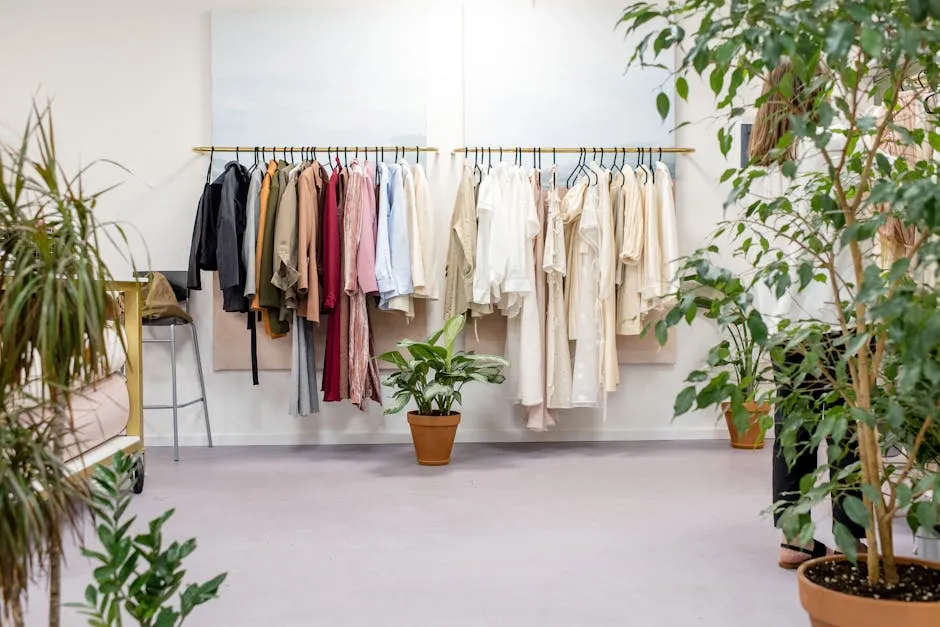
Embracing Body Positivity: The Death of the “Ideal”
Years spent looking in the mirror and hating my frame felt exhausting. Bodies are vessels to live in – not projects to fix. Don’t wait for a specific size to start dressing. Confidence allows you to exist as you are.
Redefining Your Relationship with the Mirror
Jameela Jamil calls out how the body dysmorphia industry profits from fear. When I stopped following accounts that made me feel wrong, my shopping habits changed. I stopped hiding and started buying things that fit my life.
Fashion is a tool for expression. Photos from 5 years ago don’t show the flaws I obsessed over – they show the clothes I loved. Stop seeing bodies as obstacles.
Fashion is for everyone. Design for the human form – not an ideal.
Try these steps to reclaim your wardrobe:
- Audit your digital space: Unfollow anyone that triggers a fix-it mindset.
- Prioritize fit over labels: A size 12 that fits looks better than a size 8 that is too tight.
- Document your joy: Take photos when you feel good to link your image to happiness.
Compassion changes everything. Dress to announce yourself.
Staying Ahead of Trends
No one has a crystal ball for fashion. Last year, a neon-green purchase sat in my hamper like a mistake. Trends are just observation – not magic. Watch how subcultures evolve. Don’t chase every trend.
Color choice reflects the public mood. We look at the economy and art to see what the eye wants next.
The Art of the Controlled Gamble
Treat your wardrobe like a money fund. Keep 80% of your budget in staples – like tailored pants or a good leather jacket. Use the remaining 20% to try new stuff. If it hits, you look great. If it flops, your core look stays safe.
Style is about being intentional – not being first.
If a trend feels like a costume, ignore it. Trying to wear oversized clothes when I am a slim-fit guy was a disaster. I looked like a kid in a big closet.
Filter the noise:
- The 3-Month Rule: If you still want the item after 90 days, buy it.
- Context Check: Does it work for your life?
- Quality over Hype: A cheap version of a trend is still cheap. Buy trends in neutral colors.
Stop the race. Focus on clothes that fit your life.
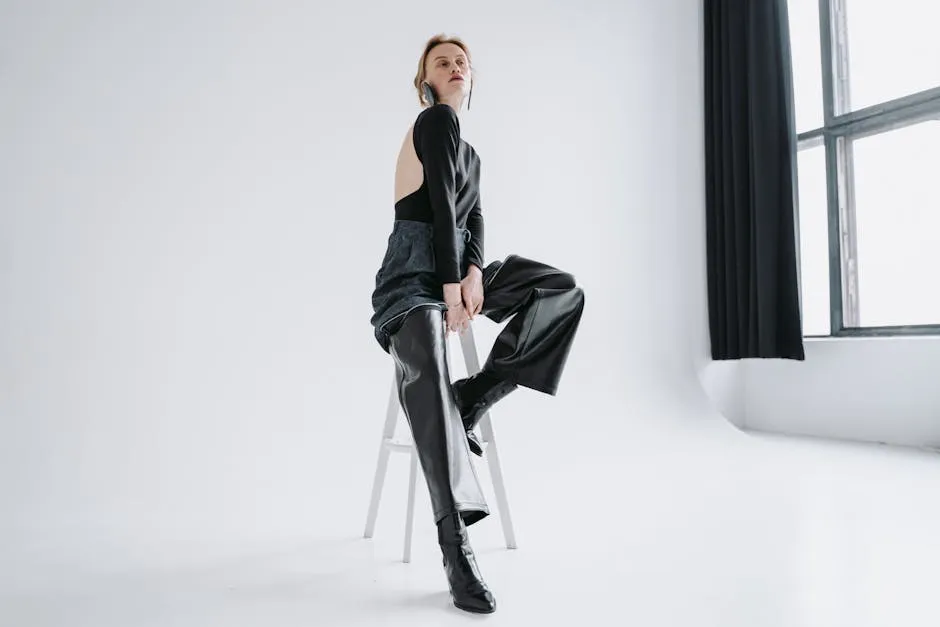
Elevating Your Personal Style
Your style is a language you write every morning. In 2026, the trend is about refining your internal compass. Don’t worry about being perfect – just be present.
The Psychology of “Getting Dressed”
Clothes act as a tool for the mind. Research in the Journal of Experimental Social Psychology shows that clothing symbols change how we perform under pressure. Wear items that match your identity.
Curating a Living Archive
A wardrobe should be a record of your growth – not a list of mistakes. Stylist Allison Bornstein suggests the 3 Word Method. Pick 3 adjectives to describe your look. Use them to filter every purchase.
This article is for info only. Ready to start? Pick one item you haven’t worn in 6 months. Style it with sneakers. Wear it out today.
Frequently Asked Questions
What are the most important factors in determining personal style?
Your lifestyle needs matter most. Think about your daily routine. Choose pieces that help you move. Layer in textures that make you smile.
How can I make my wardrobe more sustainable?
Shop your own closet first. Focus on quality pieces that last years. Look for natural fibers or secondhand shops when you need something new.
What are some ways to stay positive and confident in my fashion choices?
Confidence is a muscle. Experiment at home where there is zero pressure. When you find an outfit that makes you stand tall, wear it out. The world doesn’t judge as much as you think.