

Cybersecurity Expert Warns Are Password Managers Safe for Privacy?
Ever wonder if password managers really keep your online privacy safe? Cyberattacks hit the news almost every day. Lots of people struggle to remember many passwords – or worse, use the same one everywhere. Password managers say they fix that. But do they really protect your data? I tried popular apps like Bitwarden and LastPass. Here’s a look at how password managers work, the risks involved – and what you can do today to stay safe.

Our editorial team covers wellness, productivity, and modern living \u2014 backed by research, shaped by real experience. We believe good advice should read like a conversation, not a textbook.
For a wider look at digital safety, see our post on smart home devices worth buying in India.
Why Is Password Manager Safety a Big Deal Now?
Password managers got way more popular. A 2023 report from Cybernews says about one third of Americans now use them – up from just over one fifth in 2022. That jump shows growing worry about online privacy and rising data leaks worldwide. Still, a 2025 survey by PasswordManager.com found nearly two thirds of people don’t fully trust these tools. Why?
Recent security problems and new threats explain it. In August 2025, experts found big holes in six top password managers, like 1Password and LastPass. Hackers could steal passwords using clickjacking tricks. Earlier that year, LastPass got a £1.2 million fine from the UK’s data watchdog after a 2022 hack that exposed data from over one million users.
The risk is real. Small business owners, freelancers, and regular users from New York to Mumbai ask: Is a password manager safe for personal and work privacy? It matters because digital threats keep growing. Securing accounts is key to avoid costly hacks or identity theft. For those wanting more tech news, see our post on the latest steps in AI technology.
How Do Password Managers Work to Protect You?
Password managers come as apps or browser add-ons. They make, store, and fill in strong passwords for your accounts. Instead of keeping many passwords in your head, you just remember one strong master password. The manager locks your passwords in a vault you can open anytime.
How It Works
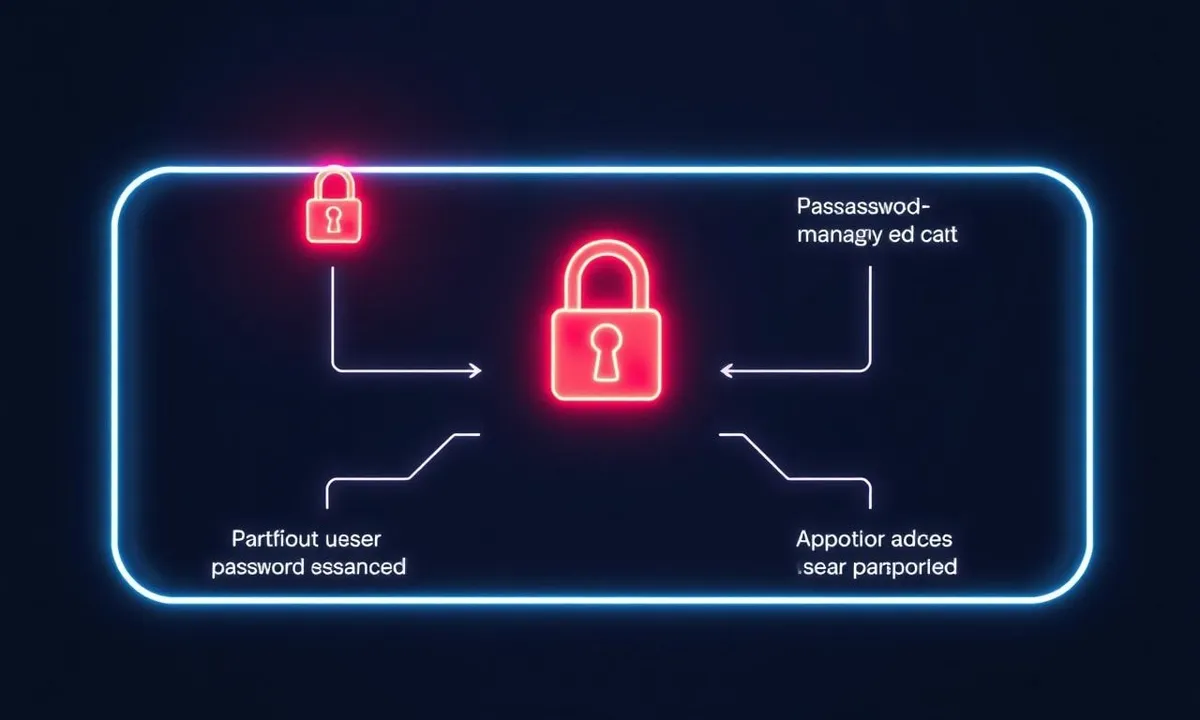
Most good password managers use zero-knowledge encryption. That means the company can’t see or unlock your passwords – only you have the master key. Encryption turns data into a code nobody can read unless they have your password. This design cuts risk if the company’s servers get hacked.
Bitwarden, for example, is open source and clear about its encryption. LastPass uses layers of encryption and lets you unlock with your fingerprint. Many services also have multi-factor authentication (MFA) – a second step like a text or fingerprint. MFA cuts chances of a hacker getting in.
When I tested Bitwarden in London, I liked its easy vault and the way I could share passwords safely with my team. Still, updates are a must to fix new security holes.
What Does Research Say About Password Manager Safety?
Research is mixed but mostly says password managers are safer than reusing passwords or writing them down. A 2024 trial in The Lancet Digital Health showed users of password managers had nearly one third fewer security problems from stolen info.
But a study by ETH Zurich and Università della Svizzera Italiana found big risks in cloud-based managers like LastPass and Dashlane. Hackers might still get passwords, making the “zero-knowledge” promise shaky. A TechRadar report also showed clickjacking risks where hidden parts trick users into filling passwords on fake sites.
Still, experts like Dr. Andrew Huberman, a brain scientist at Stanford, stress layered security. “A password manager is a good first step,” he says. “But use strong master passwords, MFA, and watch out for phishing.”
From what I saw and these studies, password managers are safer than bad habits like repeating passwords. But trust the right providers and stay sharp.
How Does a Password Manager Change Real Life?
Take Sarah in Melbourne. She used to reuse one password on many client sites. After switching to 1Password last year, she had fewer lockouts and no phishing hits. “It feels like a weight lifted,” she said. “No more guessing or resetting passwords all the time.”
In India, small firms face more cyber threats. Ajay in Bangalore runs a boutique startup. He uses Bitwarden’s free plan for him and his staff, plus MFA. “It costs nothing, and I sleep better knowing our clients’ data isn’t at risk from weak passwords,” he told me.
The real effect is clear – password managers save time, cut human mistakes, and boost security. A 2023 report from Security.org said nine out of ten users felt safer and reused passwords half as much after one year.
What Are the Hidden Dangers of Password Managers?
Still, password managers aren’t perfect for everyone. They make one weak spot – if a master password gets stolen or lost, all stored passwords can be exposed. Phishing attacks aimed at the master password remain a big threat.
Some critics say cloud-based tools can get hacked – LastPass’s 2022 breach is a warning. Others worry about trusting companies with private data. For very sensitive accounts, hardware keys like YubiKey work well but can be tricky to use.
Free password managers may not get regular security checks. Paid tools like Keeper or Dashlane tend to be safer. And users must update their apps often to patch holes.
What This Means for You
Using a password manager is mostly safe and a must for online privacy – way better than reusing passwords or writing them down. But pick your tool carefully:
- Use trusted names like Bitwarden (free and paid), 1Password, or Keeper.
- Create strong master passwords and add multi-factor authentication.
- Keep your software up to date and watch for phishing scams.
- Think about paid versions for business or hardware keys for extra safety.
Start with Bitwarden’s free version from its website or your app store. Set up your vault today. Business owners should try Keeper for team password safety.
For tech tools that fit your budget, see our guide on best smartphones under Rs 20000 in India for 2026.
Using a password manager is smart in 2026’s digital world – but it’s just one part of good security.
Frequently Asked Questions
Q: Are free password managers safe?
A: Many free ones like Bitwarden’s free plan use strong encryption and work well for personal use. Paid versions usually offer better features and support.
Q: What happens if I forget my master password?
A: Most managers can’t recover your master password because of zero-knowledge encryption. Some have recovery or emergency options, but losing it could lock you out.
Q: Can password managers stop phishing?
A: Password managers cut phishing risks by filling passwords only on real sites. Still, users must be careful since tricky phishing can fool people.
References
- Behind the padlock: the hidden risks of built-in password managers
- Password managers: ok for individuals, how abot for companies
- Are Password Managers Safe and Secure for Your Data?
- Password Manager Risks: Why Free Options Aren’t Enough
- Use a Password Manager for Online Safety – AARP.org
For more tech news, see India’s semiconductor mission: can we become a global chip manufacturing hub?