
Build a Home Gym for Under $200: Simple Fitness Guide
Buying a gym membership feels like the normal way to get fit. But what if you could build a gym right at home – one that fits your goals and costs less? Imagine stepping into your own space anytime – no crowded gyms or high fees. The good news – making a decent home gym for under $200 is doable. It’s smart and lasts a long time. Here’s how to change a corner of your home into a strong fitness spot that really works.

Our editorial team covers wellness, productivity, and modern living \u2014 backed by research, shaped by real experience. We believe good advice should read like a conversation, not a textbook.
Check Your Space and Fitness Goals
First step – look at the space you have. Maybe a corner in your bedroom, part of the garage, or a covered porch. Fitness expert Dr. Emily Kraus says, “Understanding your space helps your gear fit and matches your workout.”
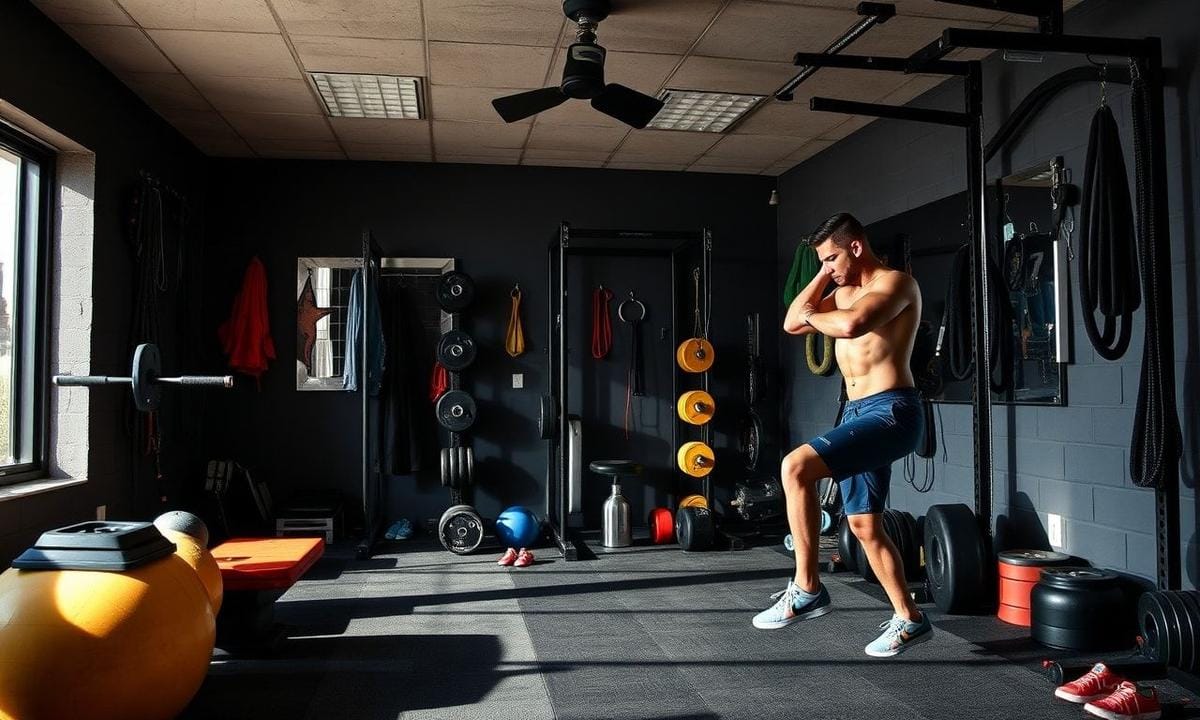
Measure the area to see what you can fit without crowding. Look at your floor – hard floors may need mats for joint support and to stop damage. Figure out your goals: strength? cardio? flexibility? or a mix? That guides what gear to buy.
Knowing this up front saves money and pain. You only buy stuff that works for your routine.
Cheap Gear That Works Well
No need for pricey machines or big stuff for good workouts. The trick is smart, useful gear. Here’s what you need – all under $200 total:
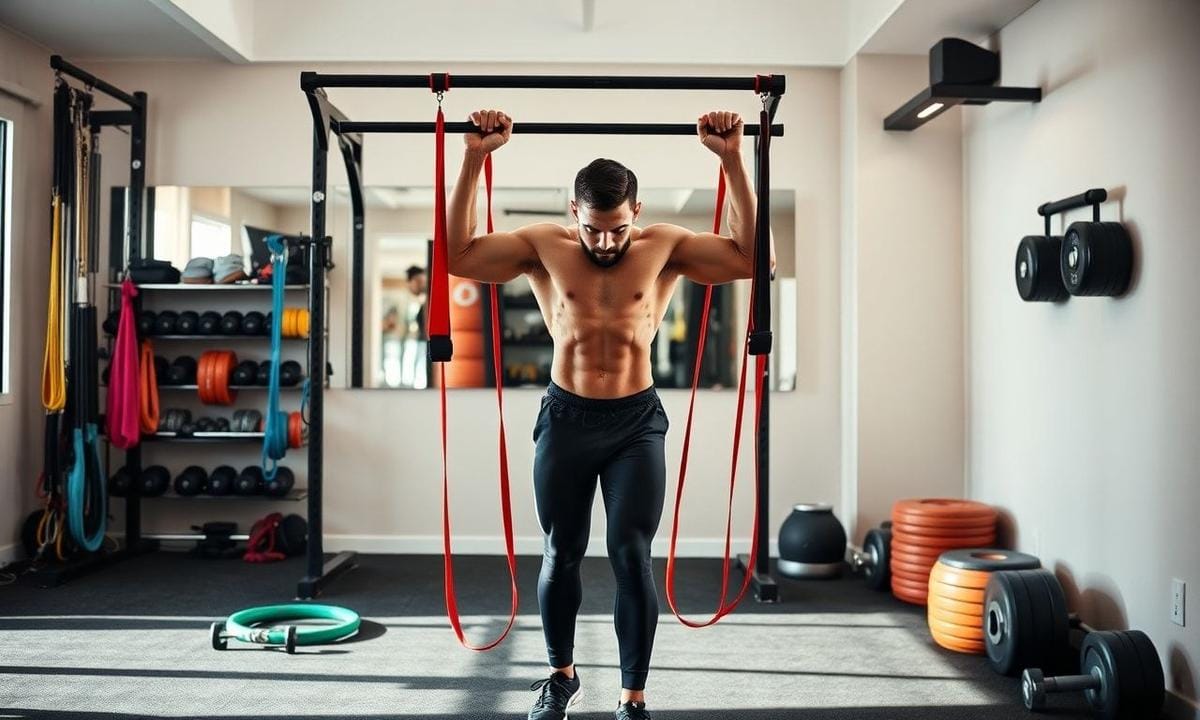
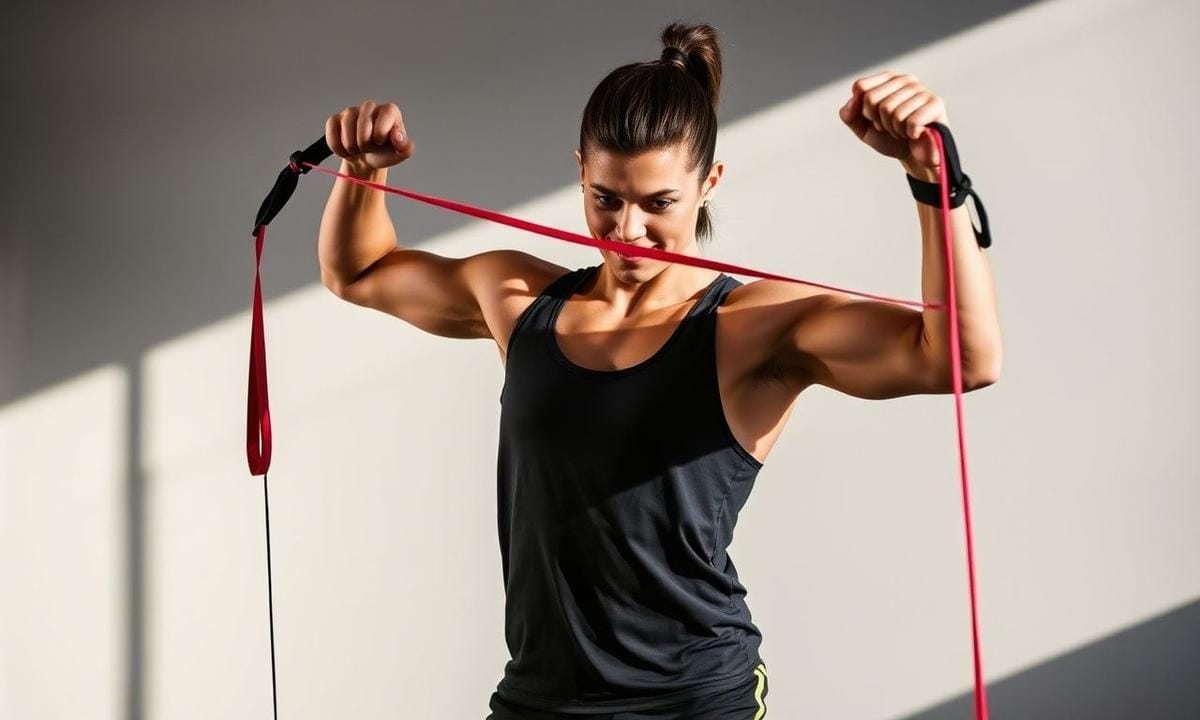
Resistance bands cost about $15 to $30. They help with strength, stretches, even pull-up help. A study in the Journal of Sports Science & Medicine says bands boost muscle use safely. They store easy and work many ways. These must be in your gym.
Adjustable dumbbells or a kettlebell run about $25 to $50. You can add weight bit by bit – good for deadlifts, lunges, rows. They save space and cash.
Yoga mats cost about $20 to $30. They’re more than for yoga. Mats cushion joints and help balance in floor moves. The American Council on Exercise says mats stop injuries in floor workouts.
Jump ropes go for $10 to $15. They are great for cardio. Harvard Health says jumping rope can burn two hundred calories in fifteen minutes. Small and fast cardio bursts fit any day.
Stability balls cost $10 to $20. They help core, balance, and stretch work. Wall squats and leg lifts on the ball wake up muscles most miss.
All this gear makes a solid, cheap gym kit that builds strength, cardio, and helps you heal. Picking strong gear means your gym lasts years.
Make Your Weekly Home Workout Plan
Now that gear’s set, plan your workouts. A simple, balanced plan keeps you going and growing. Try this three-day cycle – good for new to middle-level folks:
Day One – Full Body Strength
Dumbbell squats – three sets of ten to fifteen reps
Push-ups, use knees if needed – three sets of eight to twelve reps
Bent-over dumbbell rows or bands – three sets of ten to twelve reps
Plank hold – three sets of thirty to sixty seconds
Day Two – Cardio and Core
Jump rope – five minutes with thirty seconds on, thirty seconds rest
Stability ball passes – three sets of ten to fifteen reps
Mountain climbers – three sets of thirty seconds
Russian twists with dumbbell – three sets of fifteen reps
Day Three – Stretch and Recover
Twenty to thirty minutes of yoga or still stretches to help flexibility and stop injury
Do this loop all week. Take rest days when you need them. Studies from Mayo Clinic show mixing strength and cardio can boost fitness and metabolism.
Keep Going and Stick to It
Home gyms can be tough for sticking with workouts. To keep going:
Set clear goals you can measure – like nailing a new move or more reps.
Put workouts on your calendar like meetings. Habit grows from regular work.
Change your exercises every three to four weeks to stop boredom and plateaus.
Use online sites or classes to try new stuff – sites like Explore Lifestyle Shop have gear and workouts made for home gyms.
Track your workouts in a journal or app. Look back and celebrate wins.
Coach Jamie Lee says, “A home gym is more than stuff – it’s a way to build a mindset for health and growth.”
What’s Next: Start Your Fitness at Home
Building a home gym under $200 saves money but also gives control over your fitness. The right space, smart gear, and a plan can get you stronger, fitter, and more flexible without leaving home.
Spending on yourself now builds a habit that lasts a lifetime. Check your space, shop smart, and pledge to your plan. Your path to a stronger, healthier you starts at home – every small step counts.
Meta Description: Build a budget-friendly home gym for under $200 with essential gear and a proven workout plan to boost strength, cardio, and flexibility at home.
Focus Keywords: home gym under $200, budget home gym, home workout equipment, beginner home gym
SEO Excerpt: Find out how to build a full home gym for under $200 with resistance bands, dumbbells, and more. Get tips from experts, a workout plan, and motivation to start now!
Frequently Asked Questions (FAQs)
What are the must-have items for a home gym on a budget?
The basics are resistance bands, adjustable dumbbells or a kettlebell, a yoga mat, jump rope, and a stability ball. These cover strength, cardio, and flexibility work.
How much space do I need to set up a home gym?
Small spaces around five by five feet can hold basic gear and let you workout well. Measuring your place helps pick the right gear.
Can I build strength and lose weight with home workouts?
Yes. Studies show doing strength and cardio work at home can tone muscles, boost endurance, and help weight loss when paired with healthy eating.
For more gear and workout ideas, visit Explore Lifestyle Shop and start your home gym today!
For more on home fitness, see:
– Harvard Health Publishing on Jump Rope Benefits
– Mayo Clinic on Strength Training