

Beginner’s Strength Training Guide: Build Confidence & Power
Starting strength training feels like a big step—especially if it’s your first time. Learning the basics changes more than your body. Confidence grows. Mood lifts. Overall health feels better. This simple guide breaks down key moves for beginners. It also offers tips for some experience. Ready to find your strength? Let’s get going.

Our editorial team covers wellness, productivity, and modern living \u2014 backed by research, shaped by real experience. We believe good advice should read like a conversation, not a textbook.
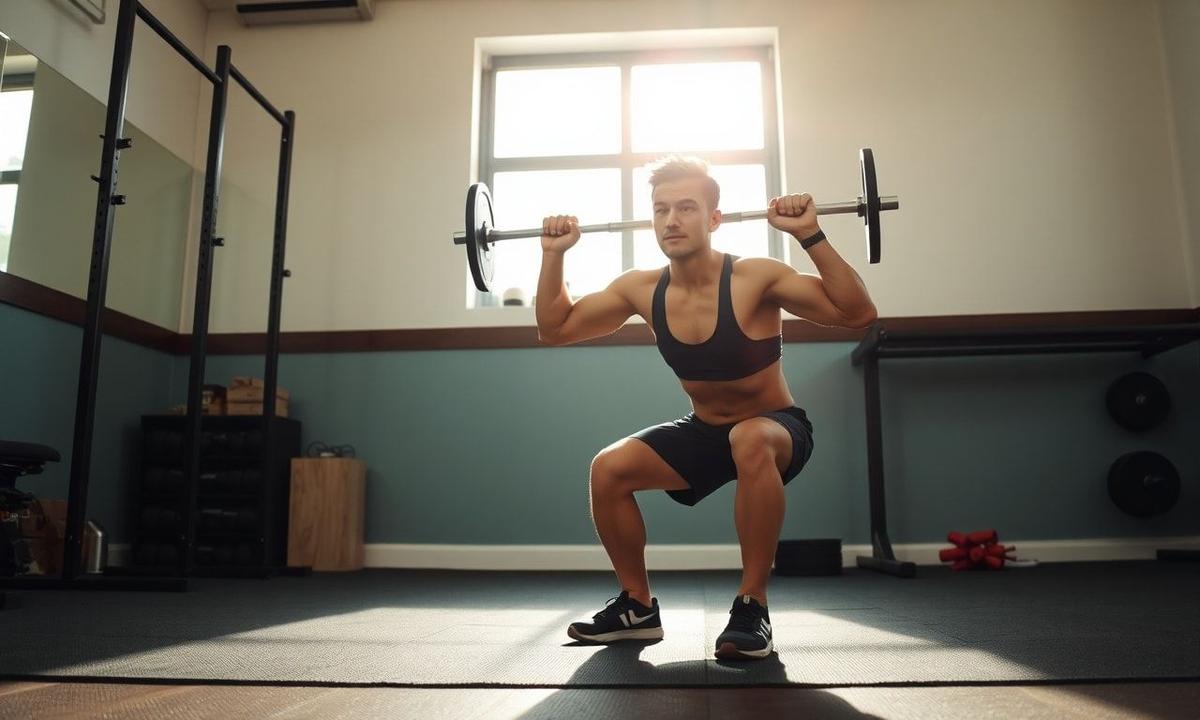
What Strength Training Is and Why It Matters
Strength training means using resistance to make muscles stronger, last longer, and sometimes bigger. Resistance can come from weights, bands, your own body, or even stuff around the house. The idea that you need heavy weights or machines is wrong. Moderate resistance, done steady, can improve muscle tone, speed up your metabolism, make bones stronger, and help your mind.
The American College of Sports Medicine says doing strength training two to three times a week can add one to two percent muscle per month in beginners. It also boosts metabolism and lowers injury risk. Studies in the Journal of Clinical Psychiatry found strength training cuts anxiety and depression by releasing endorphins and boosting self-esteem.
Start with Simple, Useful Moves
Begin by learning a few basic moves that work all the big muscle groups. This way, you get full-body strength and useful fitness. Try two to three sets of eight to twelve reps per move. Rest for thirty to sixty seconds between sets. No fancy equipment needed—good for home or gym.
Squats: Lower-Body Strength King
- Muscles worked: Quads, glutes, hamstrings, core
- How to do it:
1. Stand feet shoulder-width apart, toes turned out a bit.
2. Bend knees and push hips back like sitting in a chair.
3. Keep chest up and weight on heels.
4. Lower until thighs are parallel to floor or as far as feels right.
5. Push through heels to stand back up.
Squats build leg strength and core stability. That helps with daily stuff like stairs or carrying bags.
Push-Ups: Upper-Body Power and Balance
- Muscles worked: Chest, shoulders, triceps, core
- How to do it:
1. Start in plank position with hands just wider than shoulders.
2. Lower body until chest almost touches floor.
3. Push back up, keeping body straight from head to heels.
If full push-ups are too hard, drop knees to ground. Grow stronger and work up to full push-ups.
Planks: Core Strength for Balance
- Muscles worked: Abs, lower back, shoulders
- How to do it:
1. Rest on forearms and toes, body straight from head to heels.
2. Tighten core and hold for twenty to thirty seconds.
3. Hold longer as endurance grows.
Strong core helps keep posture and lowers injury risk during exercise and daily moves.
Dumbbell Rows: Back Strength Builder
- Muscles worked: Upper back, biceps
- How to do it:
1. Hold dumbbells in each hand. Bend forward at hips with knees bent, torso nearly flat.
2. Keep back flat; pull weights toward lower ribs while squeezing shoulder blades.
3. Slowly lower weights back down.
No dumbbells? Use water bottles or resistance bands instead.

Fit Strength Training into Your Week
Sticking with it is key. Aim for two to three sessions a week. Add cardio and active rest days for balance. Try this weekly plan:
- Monday: Full-body strength using moves above
- Wednesday: Cardio like walking, biking, or swimming
- Friday: Full-body strength again
- Weekend: Active rest with yoga, stretching, or fun activities
Listen to your body. Mild soreness is normal. Sharp pain means stop or get help.
Keep Going and Beat Obstacles
Starting a new workout can be tough. Commit and you’ll see rewards. Tips to keep going:
- Set real goals. Focus on doing it often, not perfect. Celebrate small wins like finishing week one or fixing form.
- Track progress. Write down workouts, weights, and how you feel. You’ll spot gains easily.
- Find a workout buddy. Friends make it more fun and keep you honest.
- Mix it up. Try new moves, gear like kettlebells, or classes to keep things fresh.
- Use good form. Avoid injury by learning basics well. Think about a few sessions with a trainer.
Fitness coach Dr. Len Kravitz, PhD, says, “Strength training not only reshapes your body but rewires your brain, making you feel more confident and resilient.”
Your Strength Training Path Forward
Strength training is a lasting, worth-it habit that helps body and mind at all ages. Start with bodyweight moves or add weights slowly. Keep going and be patient. Progress beats chasing perfect. Each session makes you stronger and healthier.
Want more workouts and expert help? Visit explorelifestyle.shop for gear and tips that fit your goals.
Frequently Asked Questions
How long to see strength training results?
Most new people feel stronger and notice muscle tone in four to six weeks of steady work. Growing muscles can take eight to twelve weeks, depending on effort and food.
Can strength training alone cause weight loss?
Strength training builds muscle and speeds metabolism, but combining it with cardio and good food works best for losing weight and health.
Is strength training safe for older folks or injury recovery?
Yes. With changes and good advice, it helps older adults move better, keep balance, build bone strength, and heal after injuries.
Meta Description:
Find a simple beginner’s guide to strength training that builds muscle, confidence, and health with expert tips and easy routines.
Focus Keywords:
beginner strength training, strength training benefits, easy strength exercises, full-body workout at home
SEO Excerpt:
Start your strength training now with easy, useful moves that build muscle and confidence. Get tips, sample plans, and stay on track.
References:
– American College of Sports Medicine: Resistance Training for Health
– Journal of Clinical Psychiatry: Effects of Resistance Training on Anxiety and Depression
– Advice from Dr. Len Kravitz, PhD, University of New Mexico
For full guides and workout gear, go to explorelifestyle.shop.