

7 Sunscreen Picks That Vanish on Darker Skin
Finding sunscreen that protects without leaving a chalky haze is a major beauty goal for people with deeper skin. We have all seen it – putting on a clear lotion only to look like a ghost in the mirror. Thankfully, the market changed. I spent months testing formulas that respect melanin. You get the protection you need without hiding your natural tone.

Our editorial team covers wellness, productivity, and modern living \u2014 backed by research, shaped by real experience. We believe good advice should read like a conversation, not a textbook.
Starting a skincare journey means looking into how to build a basic skincare routine that values health over trends. Remember that this guide is for info only. It is not a replacement for medical advice.
Top-Rated Sunscreens for Darker Skin Tones: A Guide
Finding the right sunscreen for dark skin is hard. People with melanin have dealt with white cast, grease, and dry skin for too long. Times change. We share top picks that protect and vanish into deeper skin tones.
Chemical vs. Physical Sunscreens: What Is the Difference?
Understanding these sunscreens helps you see why they work. Mineral sunscreens with zinc oxide or titanium dioxide often leave a grey tint on dark skin. Chemical sunscreens with avobenzone, octisalate, or homosalate soak into the skin – they do not sit on top. Those chemical or hybrid formulas work best for darker skin.
Top Recommendations
Black Girl Sunscreen Kids SPF 50 is a top pick for adults with dark skin. Shontay Lundy founded this brand to stop the white cast struggle. It works. The chemical mix dries clear – perfect for a dewy look without thick blockers. Avocado oil and jojoba add moisture while guarding your face. Unseen Sunscreen SPF 40 by Supergoop! is another great choice. It has an oil-free gel feel – like a primer. It is totally clear and works well under makeup or alone.
La Roche-Posay Anthelios Melt-in Milk SPF 60 helps those with dry or mixed skin. This non-comedogenic and fragrance-free mix melts in fast. It creates a sheer finish. It stays hydrating and won’t pill under makeup. Innisfree Daily UV Defense Sunscreen SPF 36 is a cheap gem that acts like light cream. Green tea and sunflower oil soothe skin while giving broad protection. It feels light and disappears without a trace.
What to Look for in a Sunscreen
Consider your skin type and needs. Oily skin likes light formulas like Unseen Sunscreen SPF 40. Dry or mixed skin needs hydrating picks like La Roche-Posay Anthelios Melt-in Milk SPF 60. New to skincare? Try Innisfree Daily UV Defense Sunscreen SPF 36 for easy, cheap protection. Best sunscreen is one you wear daily. Pick one that fits your life. Say bye to white cast.
Mastering Your SPF Routine: From Selection to Seamless Application
Choosing sunscreen is half the fight. Integrating it into your day ensures skin stays clear.
Understanding Ingredients for Your Tone
Knowing the gap between chemical and physical filters matters. Mineral sunscreens rely on zinc or titanium – these cause the white cast. Chemical sunscreens use avobenzone, octisalate, and homosalate to turn UV rays into heat. Chemical or hybrid formulas provide an invisible finish. Wear them daily.
The Power of Daily Consistency
Daily use stops early aging and lowers skin cancer risk according to the American Academy of Dermatology. Even without a burn, UV damage builds up. That harms skin tone. Consistency prevents the sun from darkening past acne marks – or sunspots.
The Art of the Application
Generous amounts get the full SPF rating. The 3-finger rule helps. Squeeze sunscreen to cover your index, middle, and ring fingers. Dot it across your face and neck. Massage it in until gone. Avoid pilling by letting your moisturizer sit for 60 seconds first. Don’t miss your ears, hairline, or the back of your neck.
8. Tips for Reapplication Throughout the Day
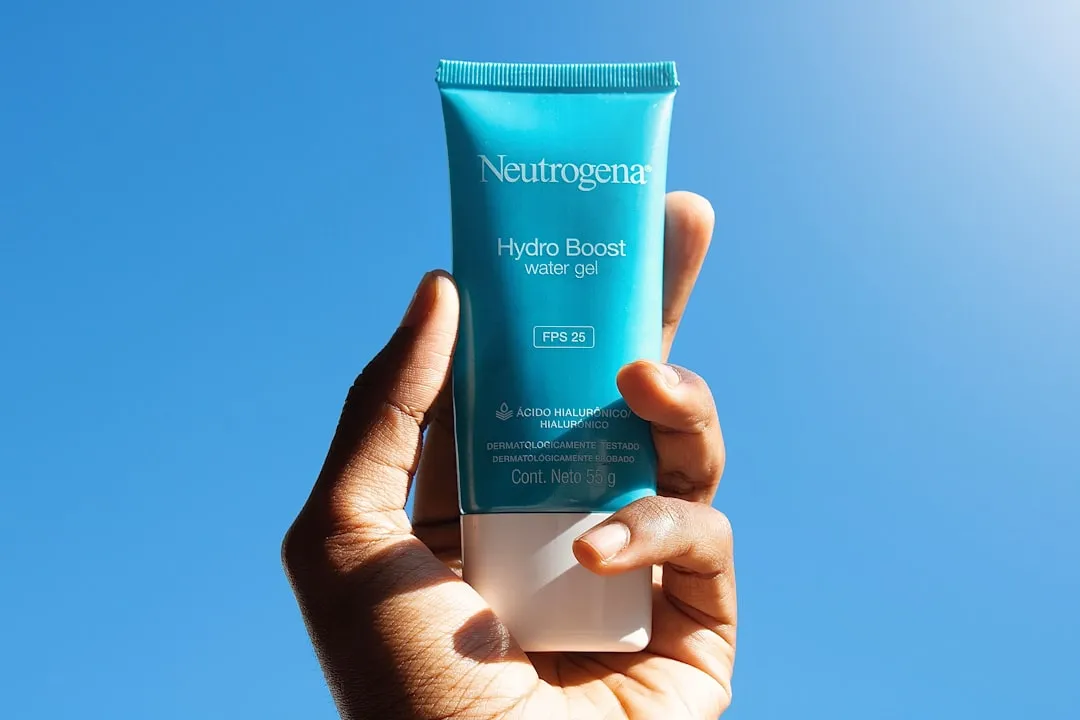
Mastering the Art of Mid-Day Reapplication
Reapplication is not optional. Sunscreen breaks down under UV light – the morning layer is not enough according to the Skin Cancer Foundation.
I keep powder SPF or a mist in my bag for touch-ups. These work well for makeup wearers – they don’t wipe away your hard work. SPF powder acts like a setting powder. A mist offers a cool, light layer of protection.
Reapply every 2 hours if sweating or swimming. Think of it as a reset. Office workers can brush on SPF powder to remove shine while adding defense. Outdoor fans can spray on formula to hit ears and hairline – no rubbing needed.
Specialized formats remove the friction that stops reapplication. Consistency stops sunburns. It builds a barrier that defends melanin against UV rays. Stop seeing it as a chore. Use tools that fit your life.
9. Preventing Hyperpigmentation and Uneven Tone
Sun exposure triggers dark spots after acne or injury. Deeper skin has active cells that create excess melanin. Minor UV exposure can make these marks dark. Dermatologists say the healing process stalls without sun protection – UV radiation keeps skin stressed.
Think of SPF as a cheap brightening serum. Vitamin C or niacinamide treatments fail if you don’t block the sun. Dr. Adeline Kikam notes that UV damage turns a small blemish into long-term color change. Broad-spectrum SPF builds a shield that lets skin fix itself.
Consistency creates an even skin tone. Daily SPF prevents new damage. It lets old spots fade fast because the sun isn’t re-injuring the skin. Experts argue that sunscreen is the base of any routine meant to fix tone. Post-acne marks lose intensity fast with daily use.
10. Best Practices for Storage and Disposal
Sunscreen is a stable product, but it reacts to the environment. FDA rules say sunscreen lasts for 3 years – if stored right. Extreme heat in a car or near a window breaks down the active filters. That makes protection fail.
Avoid the car storage trap. High heat ruins ingredients like avobenzone – they break down before the date on the bottle. Keep bottles in a cool, dark place like a drawer. Keep heat and light away.
Watch the Period After Opening symbol on the back. It looks like an open jar with a number – like 6M or 12M. Oxygen breaks down the mix once you open the cap.
Trust your senses. If color, feel, or smell changes, the mix separated. Toss it. Buy a fresh bottle to get the real SPF rating.
11. Choosing the Best SPF Strategy for Your Lifestyle
The best sunscreen is the one you actually wear. If you want a dewy look, try a hybrid like Black Girl Sunscreen. Dr. Jennifer David notes that chemical sunscreens often give a better finish for darker skin.
Consider your skin type. Acne-prone skin needs non-comedogenic labels to stop clogged pores. La Roche-Posay Anthelios Melt-in Milk SPF 60 works well since it is fragrance-free.
Dry skin likes moisturizing formulas. Pick one and use it for 2 weeks. Your future skin will thank you. Consistency is key for protection – find a product that works for your skin type.
Frequently Asked Questions
Q: Do I really need to wear SPF if my skin is naturally dark?
A: Yes. Melanin offers some natural protection – but it is not enough to stop UV damage, cancer, or darkening of spots.
Q: What is the main cause of the white cast?
A: Mineral ingredients like zinc oxide or titanium dioxide cause it – these physical blockers reflect light.
Q: How can I tell if my sunscreen is working?
A: Broad Spectrum labels mean it protects against UVA and UVB rays – the gold standard for daily health.