

7 Essential Steps for Repairing Heat-Damaged Hair in 2026
Many people use heat tools to style hair – but hate the dry, brittle results. It is time for a new routine. Maybe you deal with chemical dyes or a daily flat iron habit. Hair often screams for a reset. Months of testing treatments and drugstore buys helped find the best way to fix damaged hair.

Our editorial team covers wellness, productivity, and modern living \u2014 backed by research, shaped by real experience. We believe good advice should read like a conversation, not a textbook.
Check the Ultimate Beauty Guide for more look ideas. Stop hiding under hats. Prioritize hair health today. These steps, ingredient deep-dives, and product picks help bring hair back from breakage.
1. The Foundation: Diagnosis, Cleansing, and Structural Repair
Building a foundation for recovery matters before buying every mask on the shelf. Know what you fight first. Heat strips moisture – it breaks the bonds that give hair shape. Wet hair that snaps like a rubber band has protein loss. Dry, tangled hair likely lacks moisture.
Assessing Your Needs
Most people overload hair with heavy oils. That creates a wall – it stops water from entering the shaft. A guide on heat-damaged hair says you must check porosity. High-porosity hair drinks water but loses it fast. Low-porosity hair struggles to soak up anything. Start here to avoid wasting cash on bad products.
The Gentle Cleanse
Stop damage at the source by ditching harsh soaps. Regular shampoos often have sodium lauryl sulfate – it strips natural oils. Keep those oils for recovery. Use a sulfate-free, creamy cleanser to keep the hair flat. Frizz drops when you swap to a gentle wash. Focus shampoo on the scalp – let suds run through the ends.
Structural Reinforcement and Rehydration
Active repair starts on a clean canvas. Bond-repair tech works. These treatments reconnect broken bonds caused by heat. Traditional conditioners just coat the surface. Bond-builders go deep. Use Olaplex No. 3 Hair Perfector ($30) on damp hair – let it sit for 10 minutes before washing. Results take time.
Reinforce bonds, then add water. Hair acts like a sponge. Dry hair needs a good mask. Look for shea butter, argan oil, and ceramides. Avoid protein overload – it makes hair stiff or prone to snaps. Cycle masks: one week for moisture, one week for light protein. See this healthy living habits link for more.
Reducing Daily Damage for Healthier Hair
Minimize heat impact with a smart plan. No spray makes 450-degree irons safe. Protectants still help a lot. Sprays form a thin film – they spread heat so one spot doesn’t fry. Look for silicones like dimethicone to handle high heat. Browse best drugstore heat protectants for a cheap option. Apply to damp hair – not dry.
Minimizing Mechanical and Thermal Damage
Damage comes from bad tools too. Ripping through wet tangles with a fine comb hurts. Use a wide-tooth comb or a flexible brush instead. Silk or satin pillowcases stop friction while you sleep. Cotton causes breakage – silk is much kinder to the hair. Air-dry to 80% before using a dryer on the low setting. Research on thermal damage notes that rapid water loss causes “bubble hair” – the shaft literally boils.
Protective styles help too. Use loose braids or a silk-scrunchie bun on lazy days. These styles cut down heat needs and stop mechanical stress. Braids reduce knots. Scrunchies prevent creases. Combine these habits for better, stronger hair.
8. Environmental Factors and Your Hair
Sun rays act like bleach. They break down proteins like keratin – that leads to weak, faded color. Use wide-brimmed hats in sunny spots. Wear a leave-in conditioner with UV filters.
Tap water quality matters. Hard water has calcium and magnesium – it leaves a film. It blocks moisture. Dr. Wendy Roberts notes that mineral buildup makes hair brittle. Install a simple showerhead filter to stop this.
Pollution and humidity stress hair out. City smog clogs follicles. Changing humidity makes the hair shaft swell and shrink – that hurts the cuticle. Seal hair with an anti-pollution spray or oil. Treat hair with the same care as skin.
9. Common Mistakes to Avoid
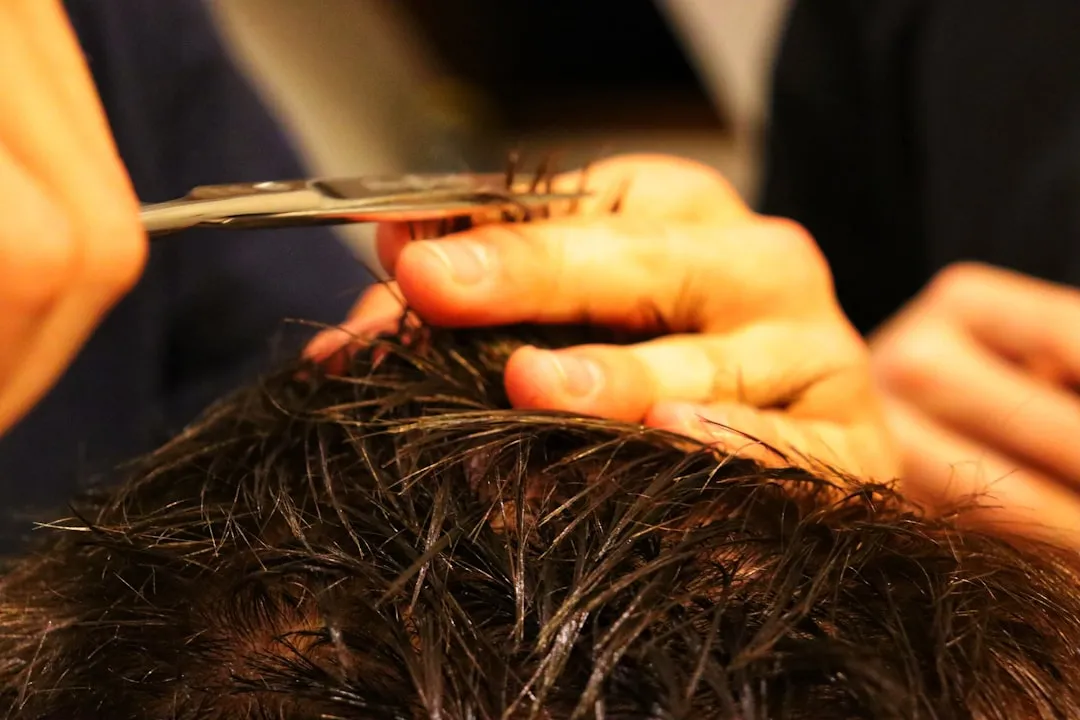
Stop “dusting” ends with kitchen scissors. Dr. Debra Jaliman says cutting your own hair often leads to uneven ends – those split faster. Get a professional trim every 8–10 weeks to stop breakage.
Applying heat to damp hair causes big damage. Stop if you hear a sizzle. You are steaming the hair from inside. The American Academy of Dermatology says hair must be 100% dry before using a flat iron.
Use the right tools. A wide-tooth comb or flexible brush helps. Micro-fiber towels or an old t-shirt cut friction better than regular towels. Small changes keep hair strong.
10. Environment-Friendly Alternatives
Healing hair doesn’t need a shelf of plastic. Professional brands now use refillable pouches to cut waste. Eco-friendly picks lower your carbon footprint.
Natural oils like coconut or jojoba work well. Use them sparingly. Dr. Jeni Thomas says a little goes a long way. Too much oil attracts dirt. Fine hair gets weighed down fast.
Look for the Leaping Bunny logo when you shop. That means the brand is cruelty-free. Check for argan oil to nourish strands. Simple swaps make a big difference.
How to Decide on the Right Routine for You

Start with the “Rule of 3”: one bond-builder, one deep-mask, and one good heat protectant. Avoid the “layering trap.” Too many products hide the real hair texture.
Tailor choices to hair density. Fine hair needs light, water-based serums. Heavy creams weigh thin strands down. Coarse, thick hair needs rich, oil-based treatments for deep hydration.
Introduce one new product every 14 days. Watch how hair reacts. Dr. Elizabeth Cunnane Phillips notes hair needs 2 weeks to adjust to new chemicals. “Gummy” hair means product overload.
Stiff hair needs moisture. Focus on glycerin or honey. Listen to the hair. It tells you what it needs after every wash. Consistency matters more than the number of products.
Disclaimer: This article is for informational purposes only and is not a substitute for professional medical or hairstyling advice.
Frequently Asked Questions
Q: Can heat damage be permanently reversed?
A: You cannot heal dead hair. Use bond-repair to reinforce strands until they grow out.
Q: How often should I use a bond-repair treatment?
A: Use it once a week for bad damage. Scale back to once or twice a month for maintenance.
Q: Should I cut my hair if it’s heat-damaged?
A: A trim is the only way to remove split ends. Left alone, they travel up the shaft.