

2026 Paint Trends: 5 Expert-Backed Colors That Transform Your Home
A new year brings a fresh start. The design world is moving away from the cold, clinical looks that ruled the early 2020s. Renters or first-time owners might feel bored by basic beige or stark, builder-grade white. Change is finally here. Years of testing home styles show that the best changes happen when people stop chasing viral fads. Focus instead on how a space feels at the end of a long day.

Our editorial team covers wellness, productivity, and modern living \u2014 backed by research, shaped by real experience. We believe good advice should read like a conversation, not a textbook.
The 2026 design shift centers on warmth, soft textures, and grounded, nature-based tones. These choices prioritize comfort over visual noise. Room paint does more than just change the look of a wall – it shifts the mood and health of your home.
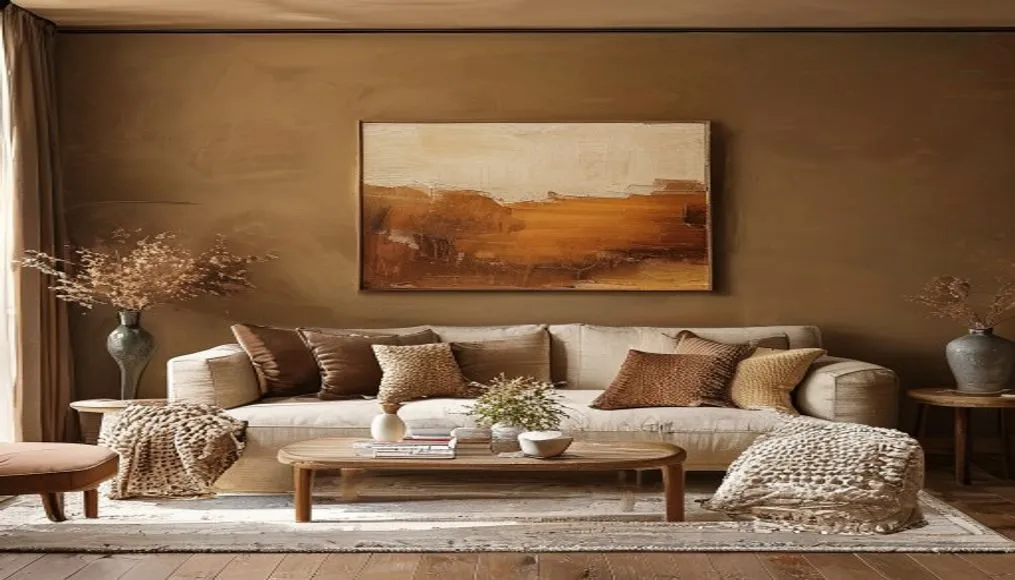
The 2026 Palette: Why Earth Tones Are Dominating
The market is reacting to cold gray fatigue. Designers are moving toward grounded, luxury tones that mirror the natural world. A recent report on paint trends shows a clear desire for mental rest at home. 75% of homeowners now pick calming, organic shades. Learn more about this topic at How to Pick Paint Color.
Cloud Dancer is a soft, soothing off-white. It gains momentum for its ability to reflect light without feeling sterile. Designer Emily Henderson notes that these earthy tones make a home feel lived-in, soft, and welcoming. Harsh, high-contrast palettes create stress – earthy tones act like an exhale.
- Soft Terracotta: Works well in living rooms. It adds a grounded energy that pairs with vintage leather or warm wood furniture.
- Muted Sage: An essential for bedrooms or home offices. This color brings balance and harmony to help lower the stress of a busy day.
- Warm Clay: Offers a sophisticated choice over basic neutrals. It provides depth that makes large rooms feel intimate.
Earthy palettes are more forgiving than harsh whites or deep navy blues. They hide minor wall flaws well. Your furniture stands out as the hero of the room. Research from the National Institute of Building Sciences shows 70% of homeowners report higher satisfaction with renovations when they pick organic, earth-toned palettes.
Mastering the Psychology of Color in Your Home
Color choice looks great in photos. Does it actually help you relax? Environments play a massive role in daily cortisol levels. Research on color and mood shows that soft greens and blues can lower heart rates. These are the gold standard for bedrooms. Warm tones like ochre or deep terracotta can spark talk – they work best for kitchens or dining areas. According to 12 Paint Colors Interior Designers Are Loving in 2025, this trend is growing.
Dr. Sally Augustin is an environmental psychologist. She studies how spaces affect the human mind. Colors around us act as a constant sensory input. “When you choose a wall color, you are choosing the emotional backdrop for your life,” says Dr. Augustin. “Picking a hue that aligns with the intended function of the room is not just an aesthetic choice; it is a mental health strategy.”
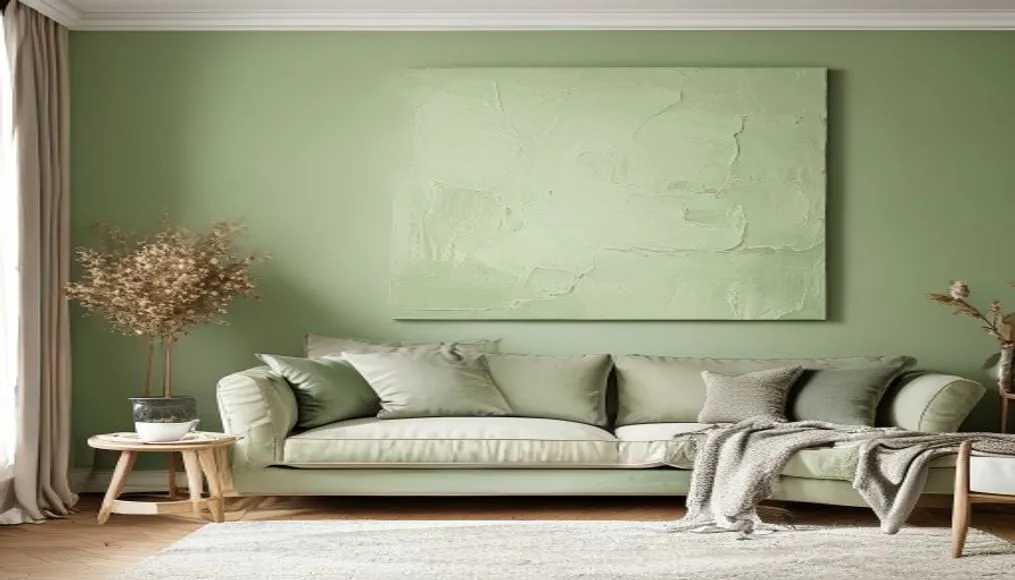
Dull workspaces need a fresh look. Search for ways to create a home office that boosts output and style before you pick up a brush. Remember: don’t just paint a wall – paint a mood. Many homeowners make the mistake of painting every room the same shade of white. Try a color-blocking technique instead. Painting a single accent wall in a deep, moody tone creates a focal point that grounds the whole room. For more insights, check out Elevating Elegance: Local Artisans Crafting Bespoke Décor….
The Reality of DIY Painting: Is It Worth the Effort?
Painting is often seen as a low-cost, high-impact DIY project. The gap between a pro finish and a DIY look is wider than most beginners realize. For more insights, check out The rise of terracotta brass and jute in modern Indian ho….
Testing a DIY refresh in my own living room taught me that the process is 80% prep and 20% painting. Skipping the sanding, patching, and priming means the most expensive paint will look subpar.
- The Pros: Significant cost savings, the ability to control the pace of the project, and the immediate joy of a color change.
- The Cons: Significant labor hours, the need for proper ventilation, and the risk of uneven lines or flashing if the walls aren’t properly prepped.
A study by the National Association of Home Builders shows 60% of homeowners eventually hire a professional for complex areas. The time-to-result ratio can be discouraging for the average person. Choose high-quality brushes and rollers if you decide to DIY. They make a world of difference. Karen Gray, a designer with over 10 years of experience, notes: “High-quality paint is an investment that pays for itself. It requires fewer coats, covers better, and withstands the wear and tear of a busy household, ultimately saving you time and money over the long term.”
Looking Ahead: Curating Your Sanctuary
Quiet luxury will continue to evolve as we move into 2026. This isn’t about expensive furniture. It is about the thoughtful care of your surroundings. Leaning toward the warmth of terracotta or the quiet stability of sage helps reach the goal – creating a sanctuary. Consider pairing your new paint with eco-friendly finishes that minimize your home’s footprint if you are interested in sustainable materials for renovations.
Frequently Asked Questions
What are the most popular interior house paint colors for 2026?
Designers favor soft, earthy neutrals like creamy whites, warm clays, and muted sage greens. These shades provide a serene, versatile backdrop that helps create a sense of calm in any home.How do I choose the best interior paint color for my home?
Always consider the natural light in your room. A color that looks warm at noon might look muddy at dusk. Buy sample swatches and test them on different walls to see how the color changes throughout the day before committing to a full gallon.Are bold interior paint colors still in style for 2026?
Yes, but they are used with more purpose. Designers suggest using them as focal points – such as an accent wall or within a built-in bookshelf – to create visual interest without overwhelming the space.What is the best way to ensure a professional-looking DIY paint job?
Preparation is non-negotiable. Fill all holes, sand down rough patches, and use a high-quality primer. Cutting corners on prep work is the main reason DIY jobs look amateurish.Do these color trends apply to small apartments?
Absolutely. Lighter earthy tones, such as soft creams and muted greens, can make a small space feel larger and more open by reflecting light and minimizing visual clutter.